










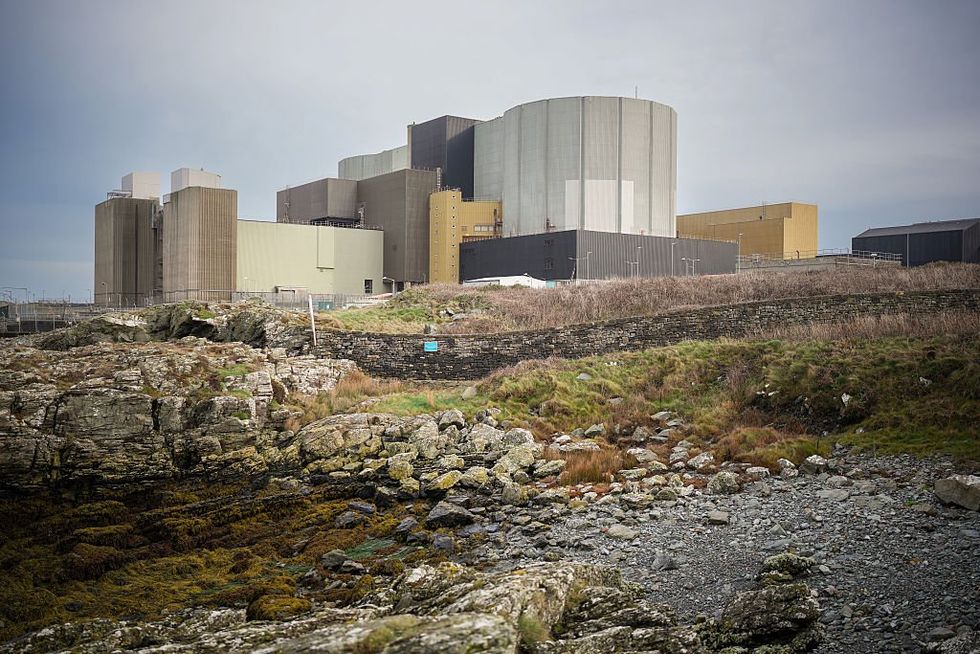
Labour has granted approval for the construction of a new nuclear power station at Wylfa on Anglesey, marking a significant development for Britain’s energy ambitions.
Ministers confirmed the decision on April 13 following a £2.5billion partnership agreement with Rolls-Royce signed last year.
The project is expected to deliver substantial economic benefits, with around 8,000 jobs set to be created across the country.
Of these roles, approximately 3,000 will be based at the Welsh site, while a further 5,000 positions will be generated elsewhere nationally.
TRENDING
Stories
Videos
Your Say
Once operational, the facility is expected to generate enough electricity to power around three million households for more than six decades.
Energy Secretary Ed Miliband described the announcement as "a major milestone" for Britain’s energy security.
The development will see three small modular reactors constructed at the site, representing Britain’s first SMR fleet.
These units are assembled from factory-manufactured modules, offering a more streamlined approach to nuclear construction.
'Major milestone for energy security' as Labour approves Wylfa nuclear plant
|GETTY
Tom Greatrex, chief executive of the Nuclear Industry Association, described the decision as "a historic step for clean power, industrial growth and skilled jobs in Wales".
He said Wylfa is "a very special site with unique strengths" that is well suited to the project.
"The sector stands ready to help make the country’s first SMR fleet a success, putting Britain at the forefront of new nuclear development," Mr Greatrex said.
He added that the approval marks "the beginning of a significant and exciting new phase for the project and the people of Ynys Môn".
LATEST DEVELOPMENTS
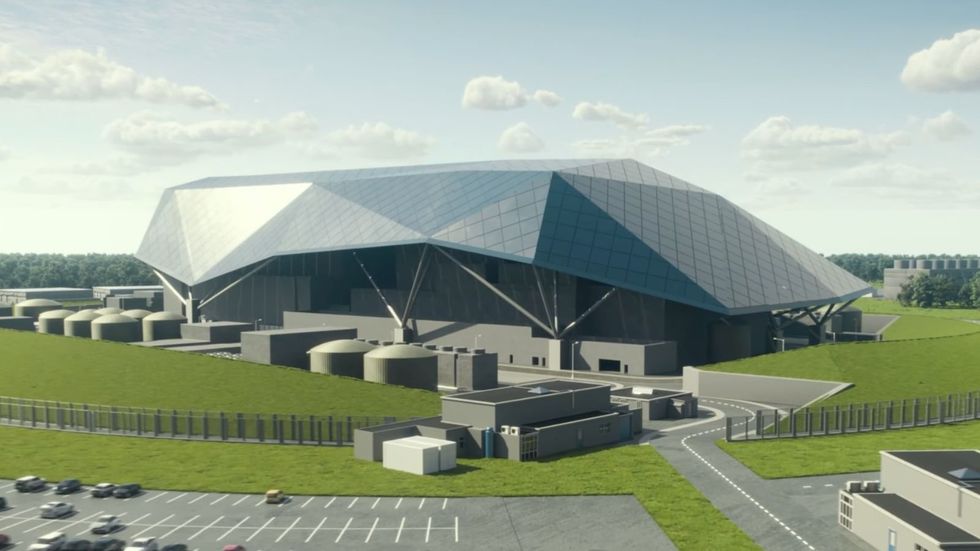
The contract has been confirmed for building the site
| Rolls RoyceThe Wylfa site has a long nuclear history, having operated as a power station on the north-west Welsh coast for more than four decades.
Originally constructed during the 1960s, the facility began generating electricity in 1971 and employed thousands during its operational life.
The station’s final reactor ceased operations in 2015, beginning a lengthy decommissioning process.
Plans for a replacement facility had been under consideration before the original plant closed, although these proposals were abandoned in 2021.
Fresh plans for the site emerged in 2024, leading to the approval confirmed on April 13.
A final investment decision remains pending and is expected by the end of the decade, with the SMRs anticipated to begin producing power during the 2030s.
Mr Miliband emphasised the broader importance of the project, stating: "Our clean energy mission is the only route to getting off the rollercoaster of fossil fuels and take back control of our energy independence."
Chris Cholerton, chief executive of Rolls-Royce SMR, said the agreement demonstrates the Government’s commitment to a "golden age of new nuclear being delivered successfully with British technology".

Mr Miliband praised the step towards furthering Britain's domestic energy supply
|GETTY
He said the arrangement provides "certainty" to the UK’s SMR programme, building on an early works agreement signed last year that enabled site preparations in Czechia.
Christian Branch of Anglesey council welcomed the announcement while stating that local residents must "remain central" to the development.
He highlighted the importance of addressing impacts on communities, infrastructure and the environment, adding: "We look forward to continuing our constructive partnership to secure lasting and positive outcomes for Anglesey and future generations."