








The conflict in Iran has delivered the most severe blow to Britain's mortgage market since the fallout from Liz Truss's mini-budget in September 2022.
Average rates on two-year fixed mortgage deals surged by a full percentage point during March, rising from 4.84 per cent to 5.84 per cent.
Five-year fixed products also increased sharply, climbing from 4.96 per cent to 5.75 per cent, according to analysis from Moneyfacts..
Such rapid increases in borrowing costs have not been seen since the market turmoil that followed the September 2022 fiscal statement.
TRENDING
Stories
Videos
Your Say
Homeowners seeking five-year deals are now paying rates at their highest level since November 2023, while two-year fixes have reached levels not seen since July last year.
The market shift has also reduced options for borrowers, with lenders withdrawing 1,283 mortgage products.
This represents 17 per cent of all available deals, marking the steepest contraction since the mini-budget disruption nearly four years ago.
Homeowners coming to the end of five-year fixed arrangements are facing some of the largest increases, with rates around 300 basis points higher than when those deals were first agreed.

UK mortgage rates jump in biggest shock since Liz Truss mini-budget
|GETTY
For a typical £250,000 mortgage, monthly repayments have risen by around £150 since the conflict began.
Borrowers with higher loan-to-value ratios are seeing even larger increases, with some facing additional monthly costs of up to £167.
The cheapest 60 per cent LTV two-year fixed rate has climbed 109 basis points, rising from 3.51 per cent to 4.6 per cent.
Financial markets have also shifted expectations for Bank of England policy.
LATEST DEVELOPMENTS
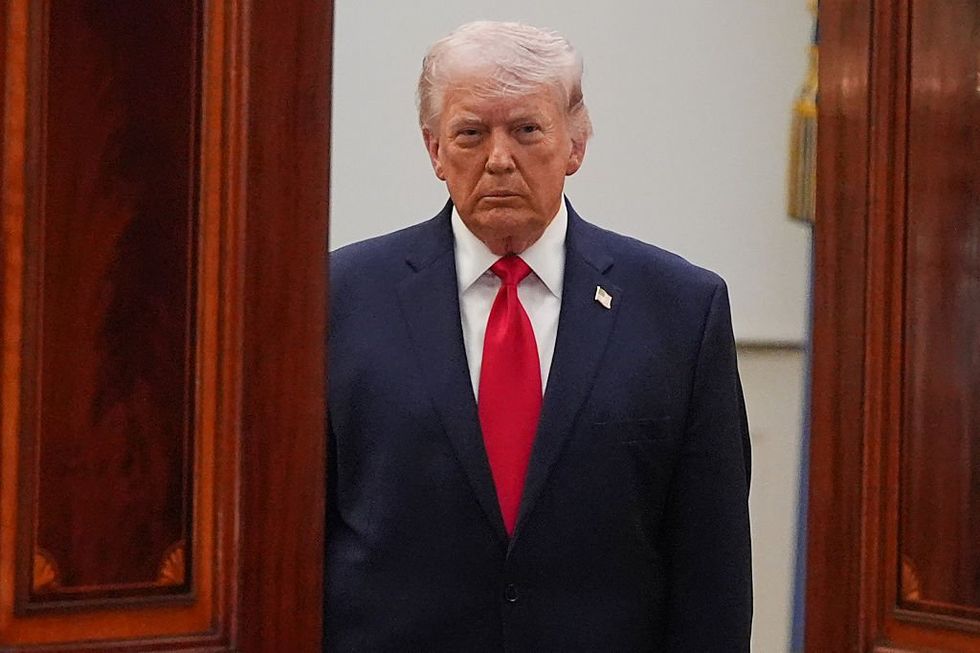
The Iran conflict has sent shockwaves through global markets
|GETTY
Traders are now pricing in two interest rate increases this year, which would take the base rate from 3.75 per cent to 4.25 per cent.
Before the escalation in Iran, markets had been expecting two rate cuts over the same period.
Bank of England Governor Andrew Bailey attempted to calm expectations on April 2, suggesting markets may be moving too quickly to anticipate further rate rises.
However, market pressure continued to build following remarks by Donald Trump, which provided little indication of when the conflict might ease or when the Strait of Hormuz could reopen.
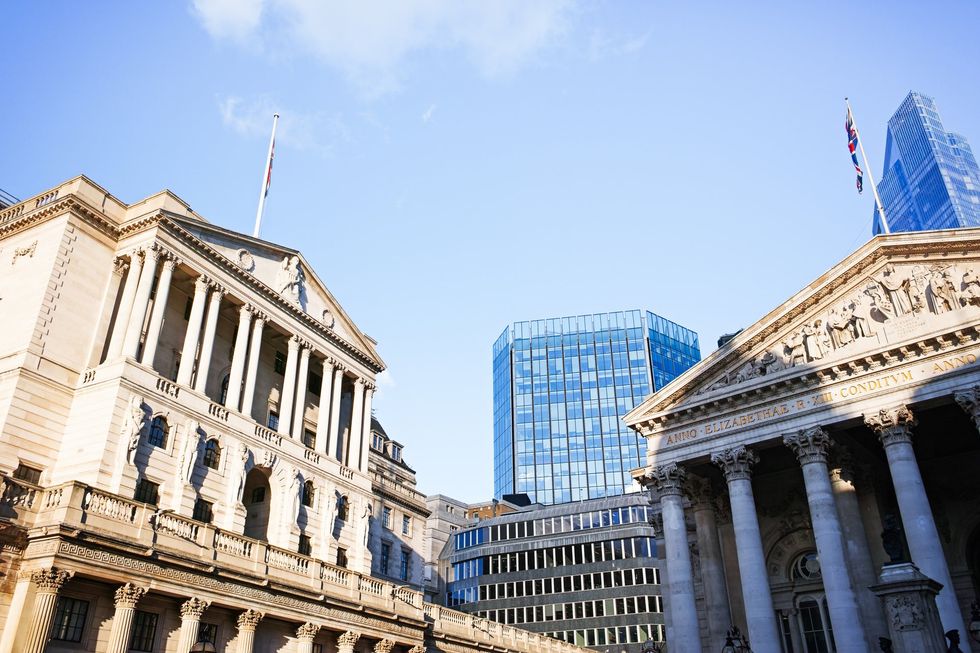
The Bank has warned of significant damage being dealt to the British economy due to the conflict
|GETTY
Adam French, head of consumer finance at Moneyfacts, said: "The conflict in Iran quickly upended rate expectations and sent borrowing costs skyrocketing in the biggest shock to the UK mortgage market since the aftermath of the 2022 mini-budget."
He added rising rates, reduced product choice and increased volatility mean borrowers and brokers are operating in conditions where securing competitive deals has become more time-sensitive.
Stephen Innes, managing partner of SPI Asset Management, said: "Traders are far less willing to reload risk on soft peace signals alone. The bar has been raised.
"It is no longer enough to hint at de-escalation; the market now demands proof, something tangible, something that moves barrels, not just words."
Our Standards: The GB News Editorial Charter