










The World Health Organisation elevated the Ebola outbreak affecting the Democratic Republic of Congo and Uganda to a public health emergency of international concern this weekend.
According to the Africa Centre for Disease Control, the disease has claimed no fewer than 88 lives, while 336 suspected infections have been documented.
This outbreak presents particular challenges for health authorities. The pathogen responsible is the Bundibugyo virus, a relatively uncommon strain closely related to the more familiar Ebola virus.
This variant kills approximately one-third of those it infects.
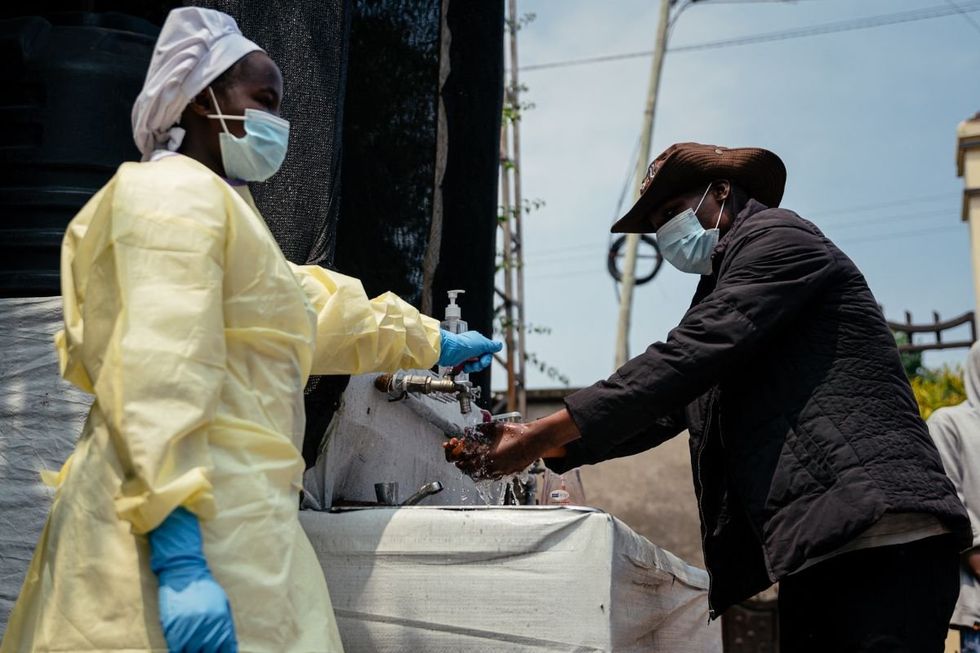
The disease has claimed no fewer than 88 lives
|GETTY
The rarity of this particular strain means medical professionals have fewer established countermeasures at their disposal, creating significant obstacles for containment efforts in the affected regions.
Containing the virus has proved exceptionally difficult amid ongoing civil conflict in the region, where armed hostilities have severely hampered public health responses.
The outbreak had been circulating undetected for some time before authorities recognised its presence, with initial diagnostic tests failing to identify the pathogen.
Professor Emma Thompson, Clinical Professor of Infectious Diseases at the University of Glasgow, noted "reports that initial GeneXpert Ebola testing was negative suggest that the outbreak may have gone undetected for some time, with early diagnostic blind spots delaying recognition".
The virus has already traversed considerable distances through population movements.
Cases have emerged in both Kinshasa and Kampala, cities located hundreds of miles from Ituri province where the outbreak originated.
This geographical spread occurred before comprehensive containment measures could be established.
Prof Thompson warned no proven vaccine exists specifically for the Bundibugyo virus, presenting a critical gap in outbreak response capabilities.
LATEST DEVELOPMENTS
"In plain terms, we do not currently have a proven, licensed, Bundibugyo-virus-specific vaccine available for outbreak control and further urgent research is required," she stated.
Whilst a licensed vaccine targeting the more common Ebola virus strain does exist, laboratory studies on primates suggest it may offer only partial protection against Bundibugyo.
Such findings cannot be reliably extrapolated to human populations during an active outbreak.
Existing monoclonal antibody treatments, including Inmazeb and Ebanga, were developed for conventional Ebola, and their effectiveness against this strain remains unestablished.
Prof Thompson also highlighted infections among healthcare workers as a particularly alarming indicator, signalling unrecognised transmission within medical facilities and deficiencies in infection control protocols.
The Democratic Republic of Congo has considerable experience confronting this disease, with the current crisis marking the nation's seventeenth recorded Ebola outbreak.
The virus was first identified in 1976 in what is now the DRC, believed to have originated in bat populations.
Between 2018 and 2020, the country endured its deadliest episode, with nearly 2,300 fatalities.
The spectre of the 2014-16 West African epidemic continues to concern specialists, when some 28,600 infections and more than 11,300 deaths occurred across Guinea, Liberia and Sierra Leone.
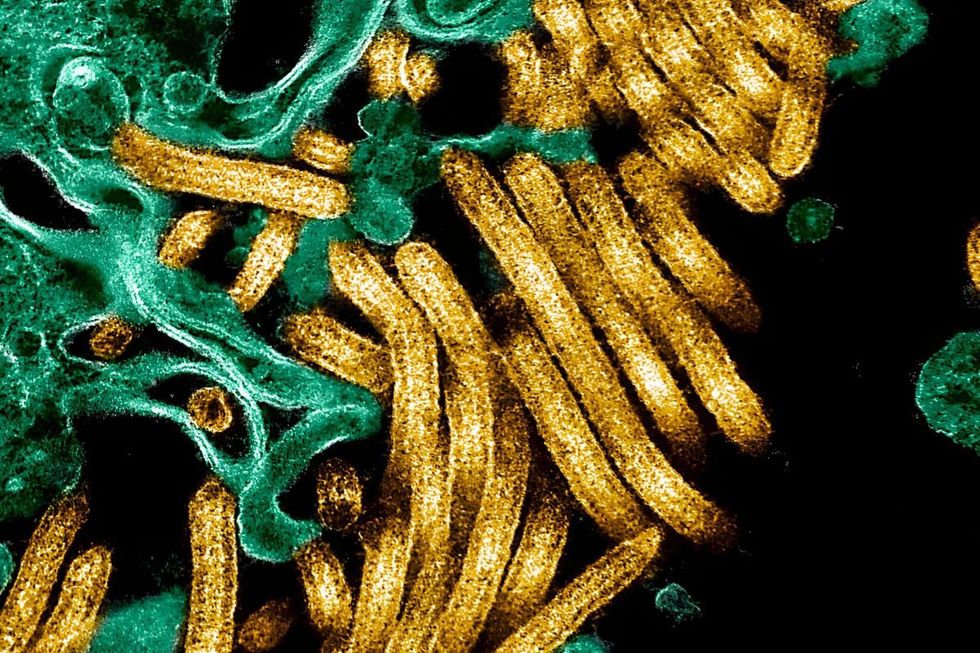
The Bundibugyo virus is a relatively uncommon strain closely related to the more familiar Ebola virus
|GETTY
Prof Thompson believes the outbreak exposes fundamental weaknesses in global epidemic preparedness, noting resources tend to concentrate on well-known pathogens whilst rarer viruses remain capable of causing severe illness and international transmission.
Sustained investment in diagnostic capabilities, vaccine development and international research collaboration remains essential.
Our Standards: The GB News Editorial Charter