







UK inflation could end the year higher than previously expected if energy prices remain elevated amid tensions in the Middle East, Britain’s fiscal watchdog has warned.
The Office for Budget Responsibility said inflation could finish the year closer to three per cent rather than the two per cent currently forecast.
The change in outlook depends on whether oil and gas prices remain at their current levels following the recent escalation in the region.
Professor David Miles, a member of the Office for Budget Responsibility (OBR’s) budget responsibility committee, said the impact of the conflict on UK prices could be "significant" and "completely unwelcome".
Quizzed by MPs on the Treasury Committee following the OBR publishing new forecasts alongside the Chancellor’s spring statement last week, Prof Miles said oil prices were currently about 20 per cent higher than they were before fighting escalated, and gas prices were up by about 50 per cent.
TRENDING
Stories
Videos
Your Say
"If there’s no change in the picture on prices from now on forward, we estimate something like a one per cent higher level of consumer prices in the UK by the end of the year," he said.
"We had thought, without taking all this into account, that the inflation rate in the UK might be pretty close to two per cent.
"Right now, if prices don’t change from where they are – both the spot and market expectations for futures prices, which is particularly important for the Ofgem price cap – by the end of this year we think the inflation rate would end the year not near two per cent but nearer three per cent.
"Material, significant, as yet not on the same scale as we experienced after Russian invasion of Ukraine.

UK inflation to miss two per cent target
| GETTY"Enough to be noticeable and completely unwelcome, because there’s no upside to all this.
"I’d have given you a different answer probably yesterday morning, and by the end of the week it could look different again. It’s not clear which way we go from here."
Economists have warned that inflation could climb even higher if the energy shock deepens.
Analysts at Morgan Stanley said UK inflation could surge above five per cent if escalating tensions in the Middle East drive oil and gas prices sharply higher.
LATEST DEVELOPMENTS
The bank warned this could happen if the Strait of Hormuz remains effectively closed for a month or longer, disrupting global energy supplies.
Higher energy costs would push up prices at petrol pumps and drive household bills higher.
Bruna Skarica, the bank’s chief UK economist, said the energy price cap could rise by around 20 per cent when it is reset in July, lifting the average annual bill from April’s level of £1,641 to roughly £1,970.
Further increases could follow in October as European countries refill gas storage during the summer months.
 The OBR is the UK's fiscal watchdog | GETTY
Inflation had previously been expected to fall towards the Bank of England’s two per cent target, but a surge above five per cent would mark the highest level since September 2023, when energy prices spiked following the Russian invasion of Ukraine.
Financial markets have already begun reacting to the risk of persistent inflation, with traders increasingly betting that interest rates may have to remain higher for longer.
Some now believe there is up to a 75 per cent chance borrowing costs could rise back to four per cent before the end of 2026.
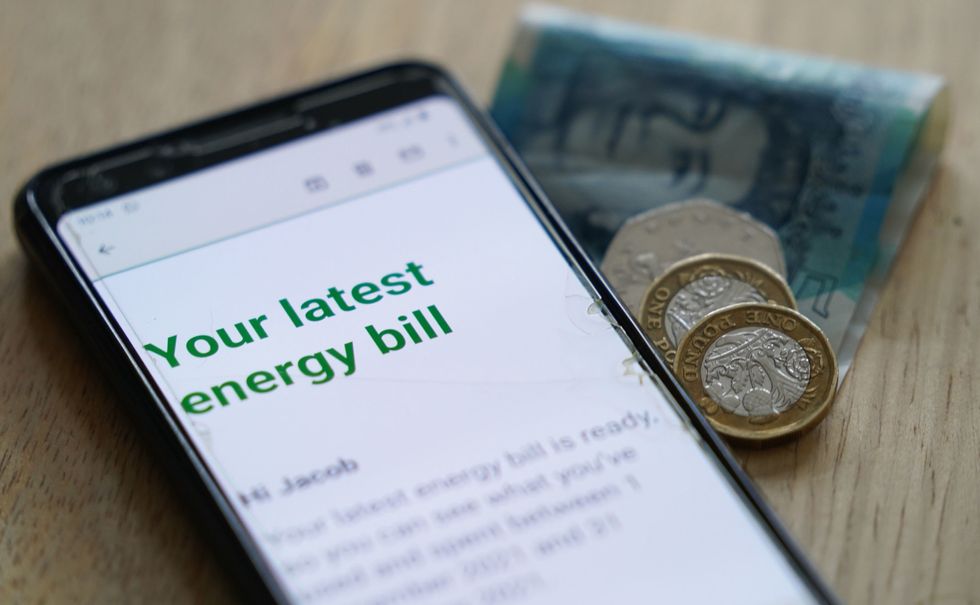
Inflation rate would end the year not near two per cent but nearer three per cent
| PAChancellor Rachel Reeves has said that using public money to tackle spikes in heating oil prices is “not the solution”.
Domestic heating oil, which is used to warm around 1.5 million UK homes – approximately 5% – has seen its prices rise dramatically amid the crisis in the Middle East.
After Iran launched strikes across the region in response to attacks from the US and Israel, there have been fears of a lengthy disruption to the supply of oil.
People using heating oil are particularly vulnerable to such shocks, because there is no cap to limit the cost of heating oil in the way households benefit from regulator Ofgem’s price cap on gas and electricity bills.
The Chancellor has acknowledged the “unique issues” around heating oil, which particularly impacts rural communities and Northern Ireland, where 60 per cent of households use heating oil.
More From GB News