









MPs salaries are set to climb to £98,599 from April, with the Independent Parliamentary Standards Authority indicating this figure could reach approximately £110,000 before the current Parliament concludes.
Andy King, the retirement planning specialist at wealth manager Evelyn Partners, notes this will "inevitably spark debate" as politicians could also sidestep a common tax trap.
Mr King said: "Some voters may baulk at inflation-busting pay rises for politicians at a time when the tax burden is at a record high."
He suggests others might anticipate that parliamentarians earning above the £100,000 mark would feel compelled to tackle the widely criticised "60 per cent tax trap" that affects higher earners.
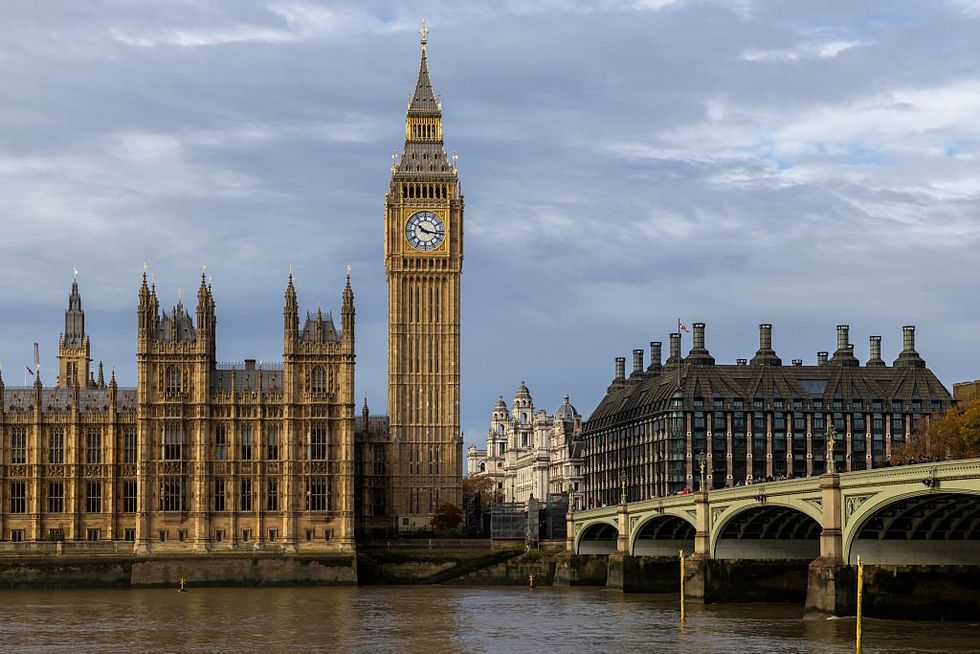
MPs to receive 'inflation-busting' pay rise AND avoid 60% 'tax trap'
|GETTY
Those earning more than £100,000 annually see their tax-free allowance reduced by £1 for every £2 earned above this threshold.
This mechanism means income falling between £100,000 and £125,140 faces an effective 60 per cent tax rate, as individuals simultaneously pay higher-rate tax while losing their personal allowance.
Mr King describes this as an "opaque and punitive tax quirk" as it is adjusted net income rather than headline salary that determines whether someone breaches the £100,000 threshold.
MPs benefit from Government-backed defined benefit pension scheme featuring what Mr King calls an "incredibly generous 30 per cent employer's contribution rate".
 Analysts are sounding the alarm over a little-known "tax trap" | GETTY
 LATEST DEVELOPMENTS
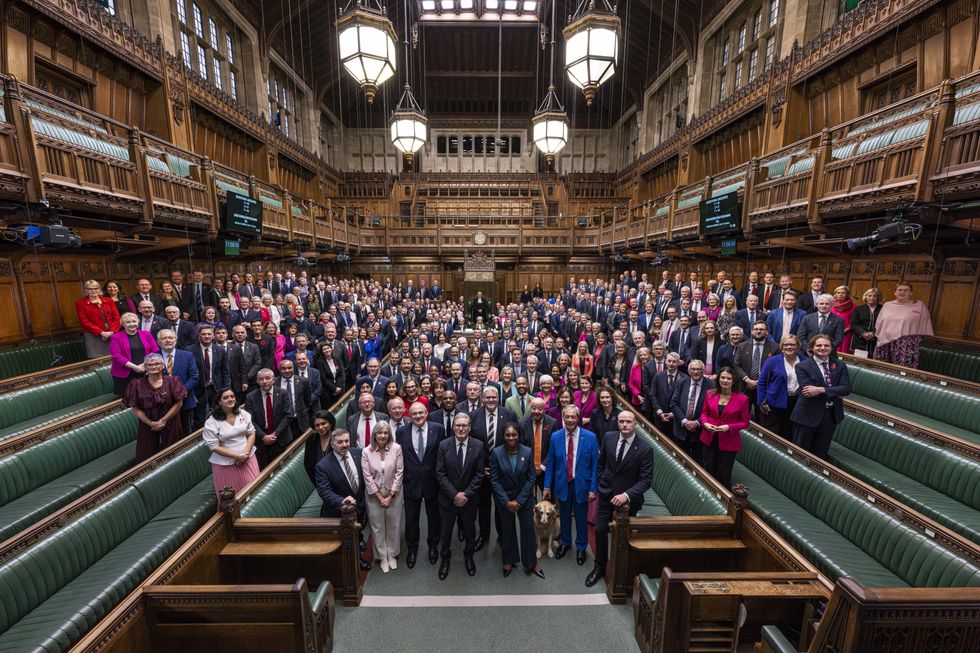 MPs are calling for a review | HOUSE OF COMMONS
MPs also make their own contributions directly from their salaries, and these payments reduce their adjusted net income for tax purposes.
Mr King explained: "In practical terms, this means that if an MP's salary edges above £100,000, their pension contributions can pull their taxable income back below that key threshold."
Greater contributions push adjusted net income further down, potentially eliminating exposure to the personal allowance taper entirely.
Simultaneously, parliamentarians accumulate more substantial retirement benefits within their defined benefit arrangement.
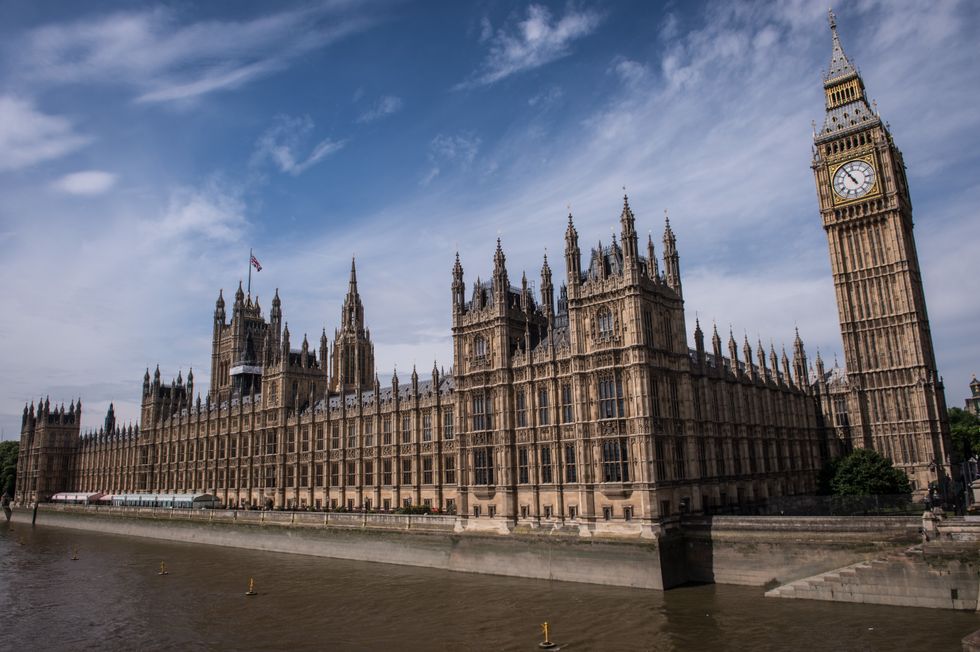
Houses of Parliament
| PADespite potential pressure from higher-earning members of the public seeking reform of the 60 per cent tax trap, most parliamentarians already possess what amounts to an in-built mechanism for managing this burden.
"So, while there may be pressure from the higher-earning members of the public to reform the 60 per cent tax trap, many MPs will, in practice, already have an in-built mechanism to manage it," Mr King added.
The retirement planning specialist emphasises a broader lesson for well-paid workers across Britain.
Analysts note that pension contributions remain among the most effective tools available for reducing the impact of the personal allowance taper and income tax more generally.
More From GB News