








British farmers are facing one of their toughest financial squeezes in years as the Iran conflict drives agricultural costs sharply higher.
Fertiliser prices have jumped 30 per cent and fuel costs have doubled, pushing “agflation” to 7.6 per cent in March — more than double the wider economy’s three per cent rate.
It is the fastest rise in farming input costs since Russia’s invasion of Ukraine in early 2022.
Unlike that period, when higher commodity prices offered some protection, farmers are now grappling with rising costs and falling incomes.
TRENDING
Stories
Videos
Your Say
Prices for agricultural produce dropped 6.5 per cent in March, according to the Andersons Centre, creating a severe cost‑price squeeze across the sector.
George Renner, who farms at Normanton Lodge Farm in Oakham, said soaring fertiliser prices forced him to slash his cropping area from 135 hectares to 30 last month after costs rose 15 per cent in a single day.
“You’re locking yourself into a potential loss at the minute,” he said.
With wheat markets subdued and weather risks mounting, he added: “We looked at the lack of margin and made a decision not to gamble.”
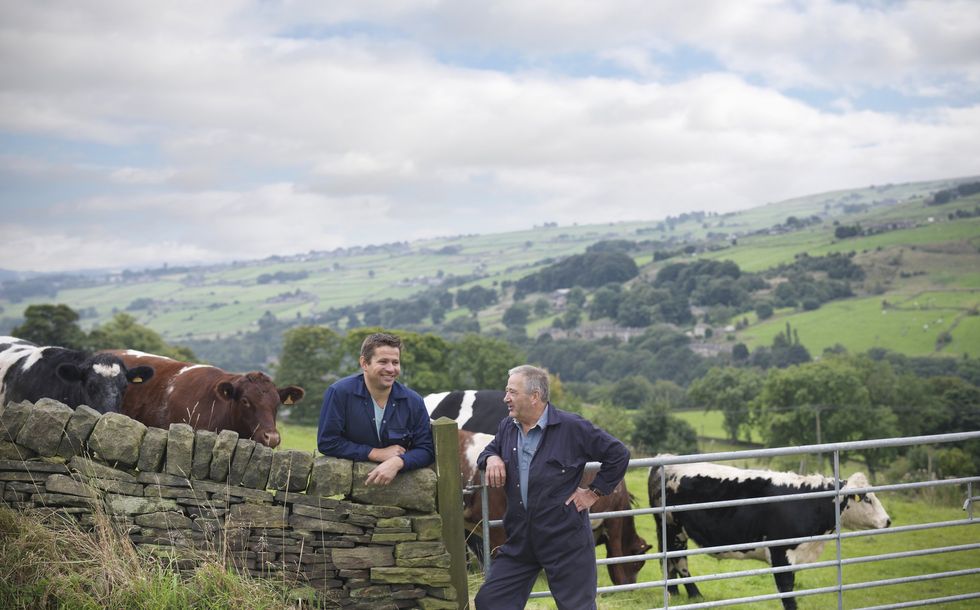
Farmers hit by soaring costs amid Iran conflict
|GETTY
He has placed unsown land into Government environmental schemes to offset losses.
The National Farmers’ Union (NFU) warned the situation poses risks to the UK’s food security.
President Tom Bradshaw said domestic production could fall without intervention, increasing reliance on imports. “It doesn’t feel like food production is registering as a strategic priority.
It absolutely must be,” he said, describing the UK’s food supply system as “just‑in‑time” and “highly exposed to geopolitics and climate change”.
LATEST DEVELOPMENTS
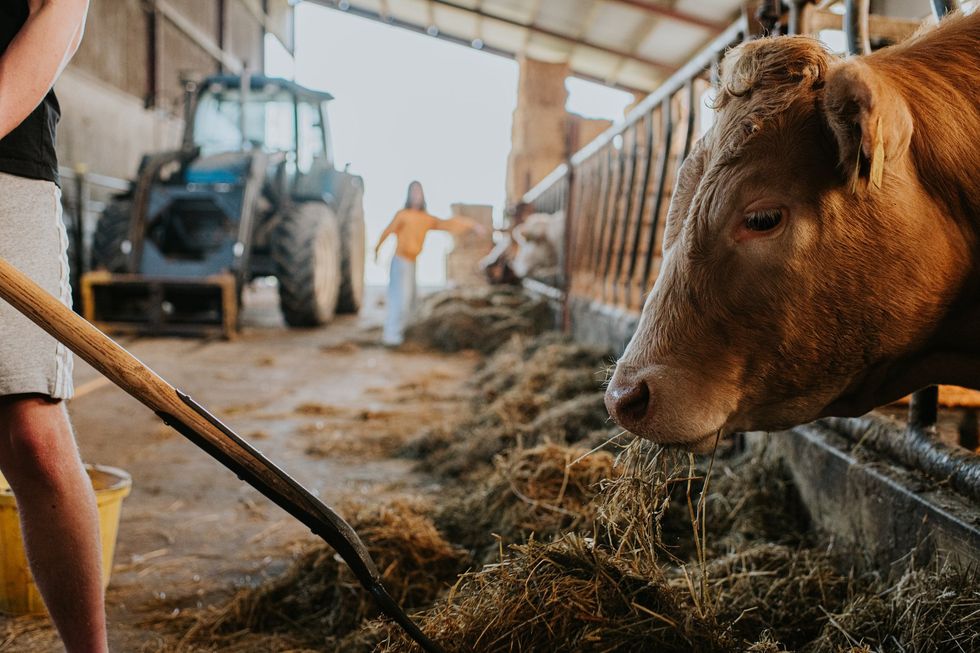
Analysts say the dairy sector is under particular strain
|GETTY
The NFU is urging ministers to cap fertiliser and agricultural fuel prices and reconsider a planned September fuel duty rise and a new carbon tax due in January, warning both could push costs even higher.
Michael Haverty, partner at the Andersons Centre, said global oversupply and fertiliser volatility were squeezing producers.
“It could be late 2026 before we see any signs of milk prices coming back,” he said.
Unlike arable farms, which often buy fertiliser in advance, dairy and livestock producers purchase more frequently and are more exposed to sudden price spikes.
North Yorkshire smallholder Stephen Wyrill said payments from his processor, Canadian group Saputo, fell from 43p to 31p per litre last October. “These companies are taking the mick,” he said.
Farming minister Angela Eagle said the Government was monitoring the situation but signalled no immediate intervention.
“There are no immediate plans to do anything other than the support that we’ve got out there,” she said.
“We will respond as and when we think we need to.”
Liberal Democrat environment spokesperson Tim Farron criticised the Government’s stance, saying England was “the only place in Europe not directly supporting farmers to produce food”, a situation he warned would reduce the number of active farmers.