




Britain's middle earners are being hit hardest by the income tax threshold freeze, with many set to pay significantly more over time.
Those on higher-middle incomes face the biggest squeeze despite not being the highest earners.
People earning between £66,000 and £114,000 are expected to pay an extra £29,114 over the nine-year freeze period, according to new analysis.
This is far more than other groups. Someone on an average salary of £41,000 will pay £5,720 more, while top earners on £155,000 or above are set to lose £17,674.
The structure of the tax system explains why. Those earning above £50,270 move into the higher tax band.
But the biggest impact comes once income passes £100,000, where the £12,570 personal allowance begins to taper away, as highlighted in analysis by The Telegraph.
At that point, the £12,570 personal allowance starts to reduce. It is then completely removed by £125,140, increasing the overall tax burden for those in this range.
The threshold freeze, originally implemented in April 2022 under then-Chancellor Rishi Sunak, was initially scheduled to conclude in April 2028.
However, Chancellor Rachel Reeves extended the policy by an additional three years in her autumn Budget, pushing the end date to 2031.
The Office for Budget Responsibility projects this measure will generate £67bn annually for Treasury coffers by 2030-31.
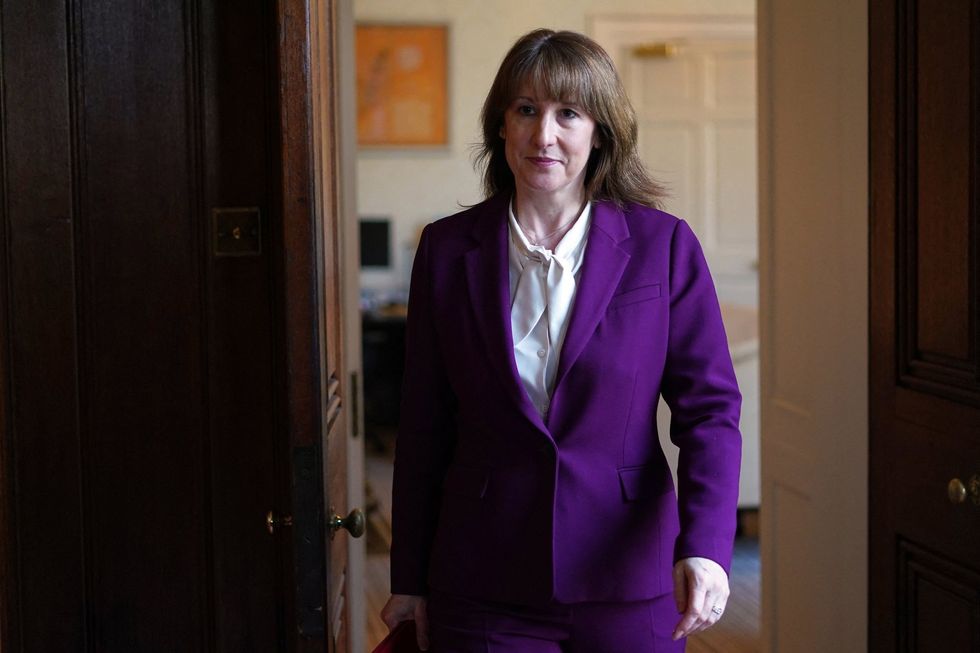
Financial experts warn that this stealth tax approach has become entrenched in government policy
| GETTYThe number of higher-rate taxpayers is set to more than double during this period. When the Conservatives first froze thresholds, 4.4 million people paid the 40p rate. By the start of the next decade, that figure will swell to over 8.9 million.
Overall, 44.6 million individuals will be liable for income tax by 2030-31, representing 6.1 million more than would have been the case had thresholds kept pace with inflation.
Financial experts warn that this stealth tax approach has become entrenched in government policy.
Rob Morgan, of wealth manager Charles Stanley, said: "Fiscal drag has now become a semi-permanent feature of the system with taxpayers the proverbial boiling frogs and middle earners bearing the brunt."
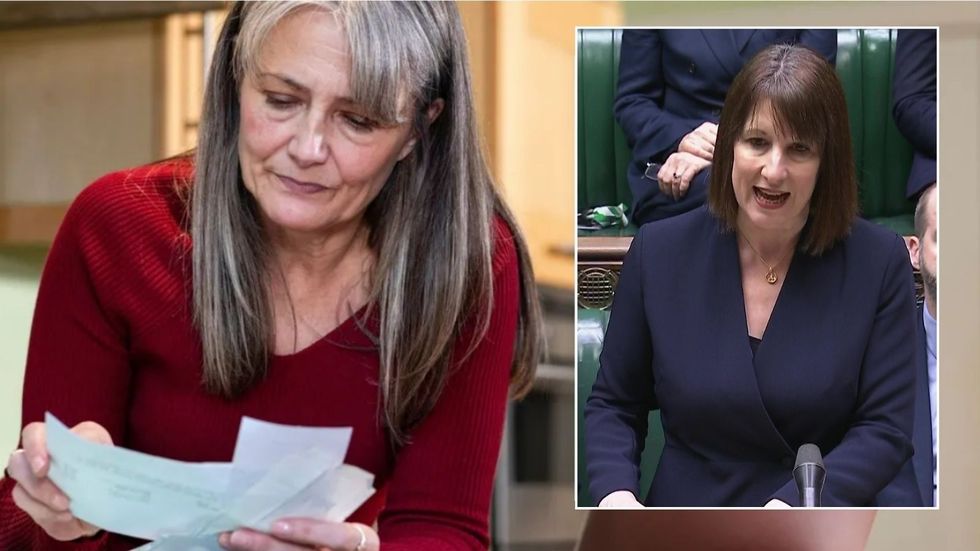 Stealth taxes are on the rise | PA/GETTY
He added: "This clandestine policy is going to take a further toll going forward and do a lot of heavy lifting for the Treasury."
The freeze affects every worker earning above the £12,570 personal allowance threshold.
Charlene Young, of investment platform AJ Bell, said: "Taxpayers have seen the finishing line on the tax freeze marathon extended to 2031."
She noted that someone on £75,000 currently pays £17,400 in tax, but would face a bill of roughly £12,600 if thresholds had risen with inflation.
The Institute for Fiscal Studies has characterised the threshold freeze as a "huge tax rise" on workers, while the Resolution Foundation estimates the extension will cost typical employees hundreds of pounds annually.
 The cost to taxpayers is continuing to rise each year | GETTY
Labour's 2024 manifesto included a pledge not to increase taxes on working people.
Had the personal allowance risen in line with inflation since the freeze began, it would now exceed £15,000. Similarly, the higher-rate threshold would stand above £62,000 rather than its current £50,270.
A Treasury spokesman defended the approach, stating: "The fair and necessary decisions we made at the Budget mean we can deliver support for families and businesses, including cutting the cost of living."
The spokesman added that tax paid by low and average earners remains at historically low levels, with Britain offering the highest personal allowance among G7 nations.