








South East Water faces a £22million fine for what regulators have described as “significant failures” in its service.
It comes after repeated supply outages left more than 286,000 homes and businesses without drinking water across Kent and Sussex between 2020 and 2023.
Chris Walters, interim CEO at Ofwat, said: "South East Water's significant failings caused major disruption and had a huge impact on thousands of its customers.
"Not only did the company fail in its duty to provide a water supply to meet the demands of its customers, but it also fell short when it came to providing support for customers who lost their supply. They must do better.
TRENDING
Stories
Videos
Your Say
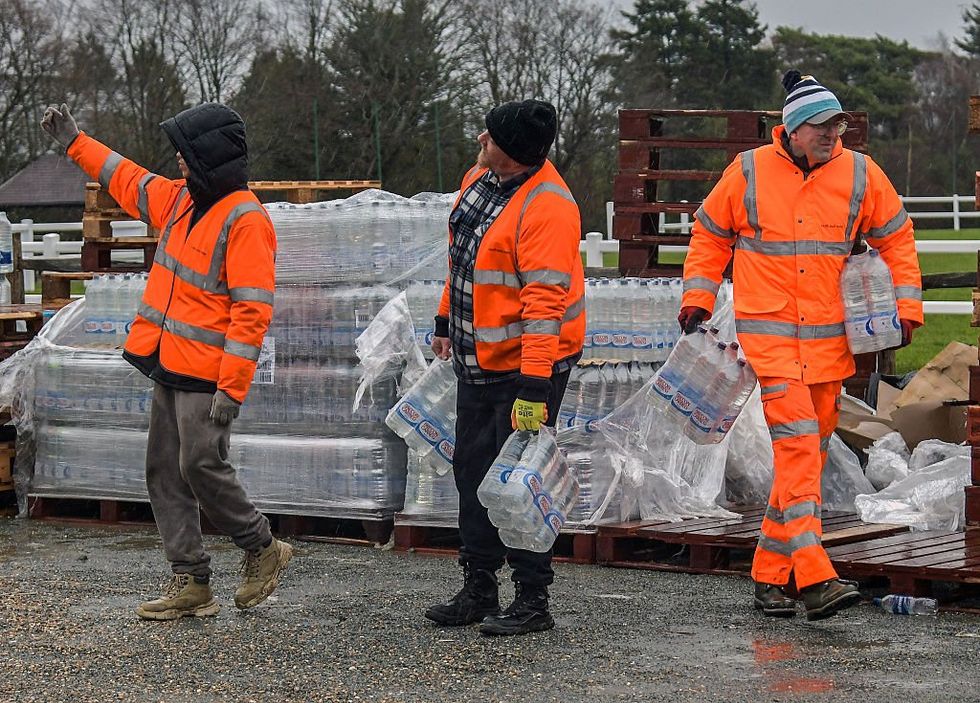
Thousands were left without drinking water
|GETTY
"This investigation gets to the heart of the company's supply resilience problems. We want to see South East Water take more responsibility and get on with fixing things for its customers."
Ofwat launched an investigation into the water company after outages between November and January left tens of thousands of households and businesses across Kent and Sussex without drinking water.
South East water failed to maintain key infrastructure such as service reservoirs, boreholes and major pipes.
It said these issues left the system more likely to fail during “prolonged dry periods” or freeze-thaw events that affected residents in Kent and Sussex on multiple occasions.
As a result of the disruptions, customers had no tap water, were unable to shower or bathe, and unable to flush their toilets, which caused immense stress and anxiety.
The investigation concluded that the company failed to plan properly or learn from past incidents, leaving it unable to cope during periods of high demand or extreme weather.
Ofwat said the investigation found the company’s response was slow, disorganised and poorly resourced, leading to shortages of bottled water, too few tankers on the ground, and insufficient support for vulnerable customers.
MORE TO FOLLOW
More From GB News