




Finance Secretary Shona Robison unveiled Scotland’s £68billion spending blueprint on Sunday, announcing a 7.4 per cent increase to the basic and intermediate income tax thresholds from April 2026.
Ms Robison said the move would mean more than 55 per cent of Scottish taxpayers pay less income tax than people elsewhere in the United Kingdom during the next financial year.
Presenting the plans at Holyrood four months before the Scottish Parliament election, Ms Robison described the package as “the best cost-of-living deal anywhere in the UK”.
The Budget includes new taxes aimed at wealthy homeowners and private jet passengers, while economists have pointed to significant spending reductions elsewhere.
TRENDING
Stories
Videos
Your Say
Under the revised income tax structure, the 19 per cent starter rate will cover earnings from £12,571 to £16,537, with its upper limit rising from the current £15,397.
Above that, the basic rate of 20 per cent will apply on income up to £29,526, before the 21 per cent intermediate rate takes effect between £29,527 and £43,662.
According to the Scottish Government, the shift in thresholds means anyone earning below £33,500 will pay up to £40 less than counterparts in England — a difference officials say stems from the uplift to the lower bands rather than any change to higher rates.
But once earnings rise above £33,500, Scots begin to pay more tax than those south of the border.
Someone on a £50,000 salary, for example, will contribute almost £1,500 more than an equivalent earner in England.
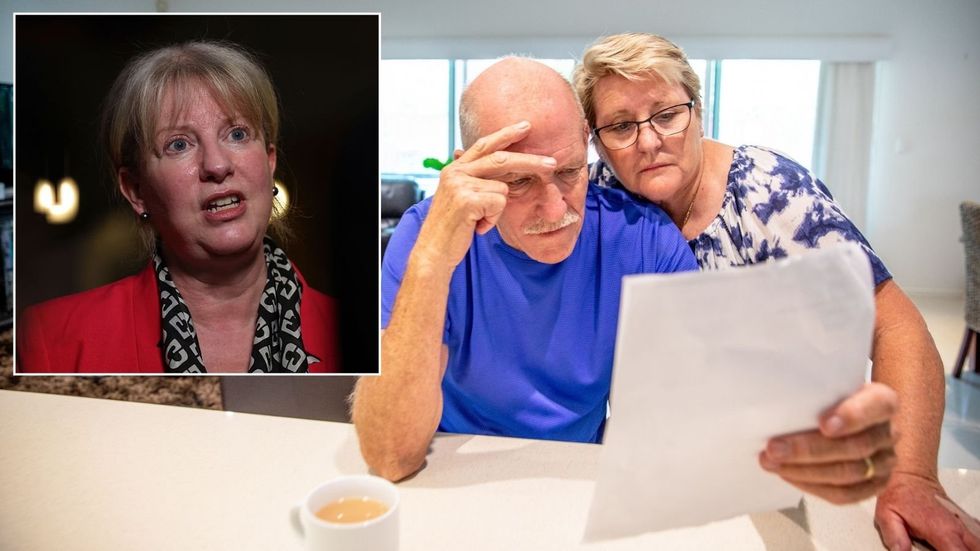
More than 55 per cent of Scottish taxpayers are set to pay less income tax than people elsewhere in the United Kingdom
|GETTY
Middle earners earning between £43,663 and £50,270 will face a marginal tax rate approaching 50 per cent once National Insurance contributions are included.
The equivalent combined rate for workers elsewhere in Britain stands at around 42 per cent.
From April 2028, two new council tax bands will be introduced for properties valued at more than £1million.
The Scottish Government estimates that fewer than one per cent of households will be affected by the change.
Public Finance Minister Ivan McKee said the new bands would raise around £14million a year for local authorities.
The policy was designed to strengthen council finances while targeting the wealthiest homeowners.
The threshold for the Scottish levy is lower than Westminster’s proposed mansion tax, which applies to English properties worth more than £2million.
LATEST DEVELOPMENTS:

Middle earners will be hit hardest
|GETTY
Ms Robison told MSPs the council tax reforms would deliver “greater fairness as well as increased revenues to councils”.
Charlene Young, senior pensions and savings expert at AJ Bell, said the measure was “unlikely to raise much in the way of extra revenue.
“This is much more about the message and optics of creating what the SNP sees as a fairer system.”
A new air departure tax will also be introduced, with an exemption for flights to and from the Highlands and Islands.
Private jet passengers will face a separate levy under the plans, which will take effect from April 2028.
The Scottish Child Payment will rise to £40 a week for families with children under one year old from 2027-28.
Retail, hospitality and leisure firms will receive 15 per cent non-domestic rates relief during 2026-27.
The Scottish Government said the rates relief package will be worth £138million over three years.
Health and social care spending will rise to £22.5billion, including funding for a national rollout of walk-in GP clinics.
Nearly £200million has been committed to dualling the A9 and key sections of the A96.
Universities and colleges will receive an additional £70million in funding.
Scottish Conservative finance spokesman Craig Hoy said the Budget “does nothing” for middle earners.
“This SNP government remains high on tax and low on delivery.”
Labour MSP Michael Marra said the plans failed to deliver “real change”.
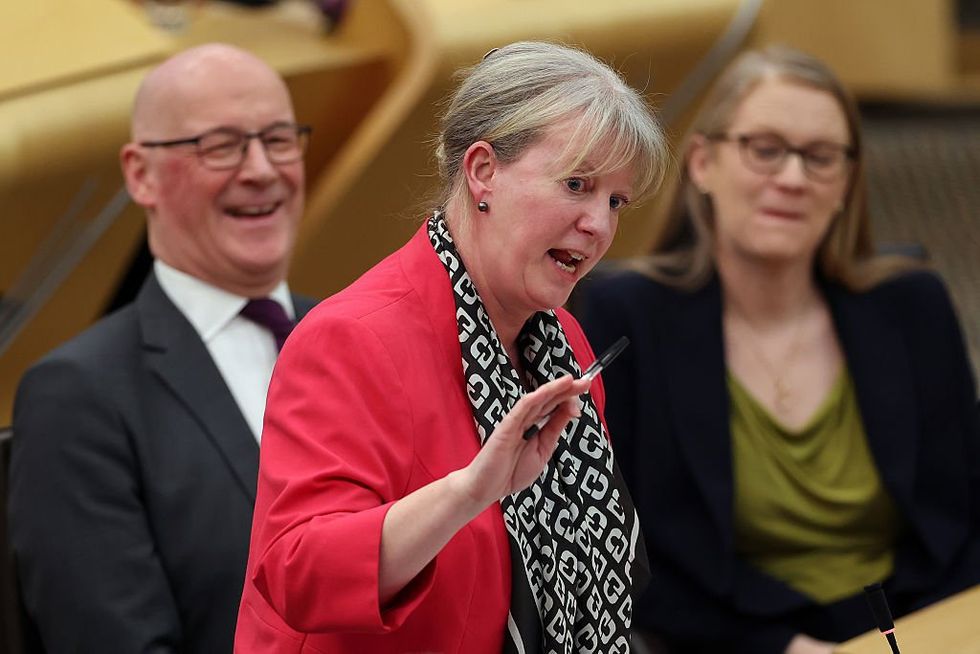
SNP have labelled it the best cost of living deal in the UK
|GETTY
“They want to pretend on their own abysmal record, in reality they have decimated Scotland’s finances and brought our services to their knees.”Ms Young warned that 788,000 Scottish taxpayers expected to pay higher rates from 2026 would remain exposed to fiscal drag.She said this was because the higher, advanced and top rate thresholds will remain frozen until at least 2028-29.The Scottish Fiscal Commission has forecast that the income tax changes will raise £72million in 2027-28.The Commission expects revenues to rise to around £200million a year from 2028-29.
Our Standards: The GB News Editorial Charter
More From GB News