










Savers are being slapped with financial "penalties" on high interest rate accounts when chasing competitive deals from high street banks and building societies, new analysis warns.
Banks are luring Britons with eye-catching interest rates on regular savings accounts, but new research suggests these products often come laden with hidden conditions that significantly diminish their appeal.
A study conducted by Spring and MoneyComms has uncovered widespread restrictions across the regular saver market, including limits on withdrawals, penalties for closing accounts early, and fixed terms that can substantially erode the returns customers actually receive.
The findings reveal that despite promotional rates designed to attract depositors, the fine print on many of these accounts contains stipulations that may catch unwary savers off guard.

Savers slapped with 'penalties' by banks despite high interest rates - what you need to know
| GETTYResearch found that more than three quarters of the 44 accounts examined were limited to a 12-month term, after which savers face a sharp decline in returns.
During the initial period, these accounts typically offered competitive rates averaging 5.15 per cent, but once the term concluded, customers were automatically moved to far less generous products.
The average interest rate on these follow-on accounts plummeted to just 2.10 per cent per cent representing a dramatic reduction in earnings potential.
Some providers proved even less generous, with certain accounts dropping to rates as low as one per cent once the introductory period expired.
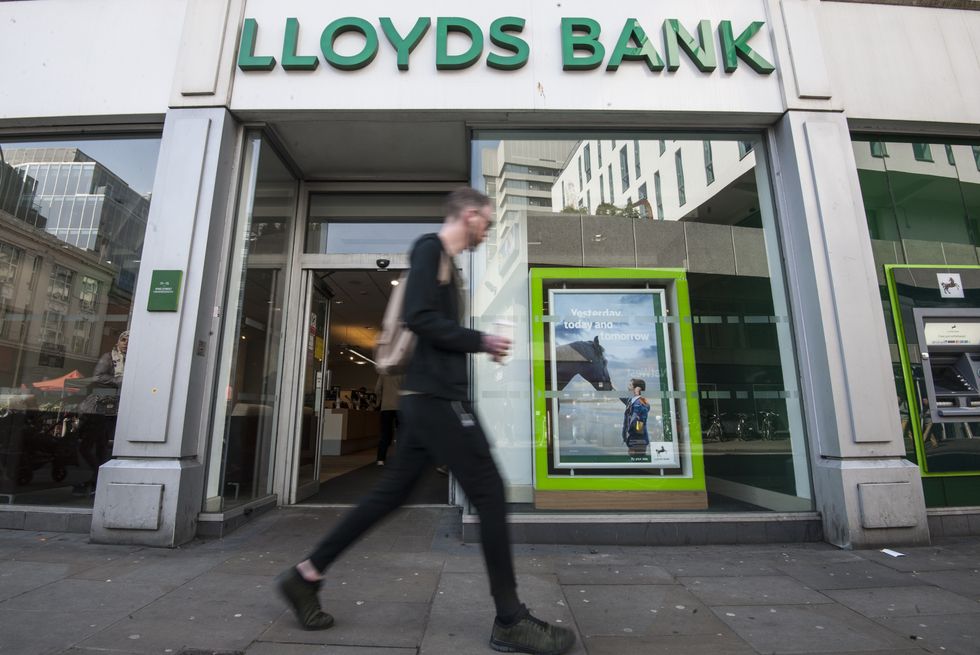
Banks are offering competitive deals
| PABeyond the rate reductions, the study identified numerous other barriers facing regular savers.
More than half of the accounts examined imposed restrictions on withdrawals, preventing customers from freely accessing their funds when needed.
Nearly a quarter of products required savers to already hold a current account with the same provider before they could open a regular saver.
Seven in ten accounts capped monthly deposits at just £300, limiting how much customers could save at the higher rate.
Perhaps most concerning, four of the 44 accounts prohibited early closure entirely, trapping customers' money until the term ended, while three others imposed interest penalties on those who closed their accounts prematurely.
Derek Sprawling, the head of Money at Spring, said: "This research shows that many regular savings accounts come with strings attached, despite headline-grabbing rates these accounts are designed for a very specific purpose and can make it harder for customers to access their money or seem overwhelming because of the criteria they come with."
"Savers should be aware of the potential restrictions and penalties and look for products that offer genuine flexibility and value."
Andrew Hagger, Personal Finance Expert at MoneyComms, added: "The headline interest rates on regular savings accounts often look attractive, however once you weigh up the raft of conditions and penalties, they become far less appealing."
 The Bank of England base rate has fallen | CHAT GPT
 "In many cases you’re just as well finding a ‘no strings’ best buy easy access savings account and setting up a regular payment from your current account – it’s a great way to build your nest egg but without all the restrictive terms and conditions."
Saver have benefited from an extended period of high interest rates due to recent action from the Bank of England regarding the base rate.
In an effort to ease inflationary concerns, the central bank has raised the cost of borrowing to as high as 5.25 per cent, which has now fallen to around four per cent.
The Bank of England's Monetary Policy Committee (MPC) will next meet to discuss interest rates later this week on Thursday, December 18.
More From GB News