










Reform’s plans to ban heat pump subsidies strike at a crucial, and controversial, part of the Government’s drive to net zero.
The Boiler Upgrade Scheme (BUS), which offers homes up to £7,500 to switch to heat pumps, was introduced by the Tories in 2022 and aims to move the nation’s heating away from fossil fuels.
The Government wants heat pump installations to hit 450,000 a year by 2030. But critics claim the pumps are expensive, noisy and often inefficient when compared to gas boilers.
Both Reform and the Conservatives have said they would scrap net zero targets if they win the next election. Announcing Reform’s policy to ditch the heat pump grants, Nigel Farage said the subsidies were "lunatic green levies".
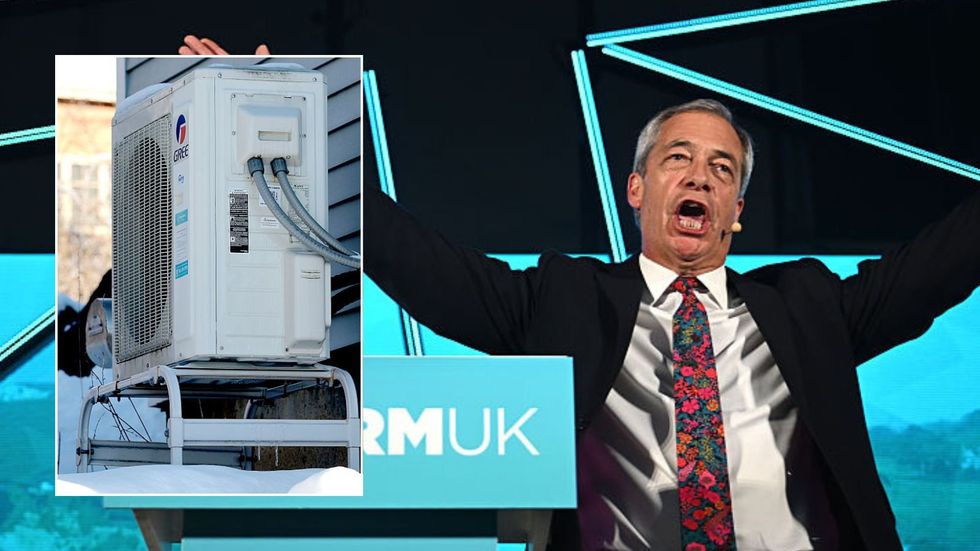
Reform is planning to scrap the Boiler Upgrade Scheme if the party gets the keys to Number 10 Downing Street
|GETTY
So why are heat pumps needed - and how did they become so controversial? Heating in UK homes produces 18 per cent of the country's greenhouse gas emissions.
Three-quarters of all homes, around 25 million, use gas as their main source of heating. Environmentalists believe that heat pumps are required if we are to reach net zero.
The pumps take heat from the air or the ground and use it to control the temperature of a building. They are powered by electricity and don’t use fossil fuels.
The subsidies in question are designed to encourage consumers to switch to greener heating. But uptake has been slow and the pumps have attracted opposition, sometimes from unlikely sources.
Last month, Dale Vince, the country’s best-known green energy tycoon, warned they could lead to cold homes and high bills. "Some people are evangelical about heat pumps, and they don’t want to hear the truth," he said.
Industry experts have also raised concerns about the costs and efficiency of the technology. An air source heat pump can cost £14,000 – far more than the subsidy - with ground source pumps even more expensive.
Cost is key, industry experts say. Although the BUS covers some of the price, homeowners could still face bills of thousands of pounds for installation alone. This feeds directly through to consumer choice.
Polling by the Energy and Utilities Alliance (EUA) found that while two-thirds of adults said it was important to reach net zero by 2050, 75 per cent were unwilling to pay more than £5000 for low-carbon heating.

The Reform leader has pledged to
| NIGEL FARAGE/XLATEST DEVELOPMENTS
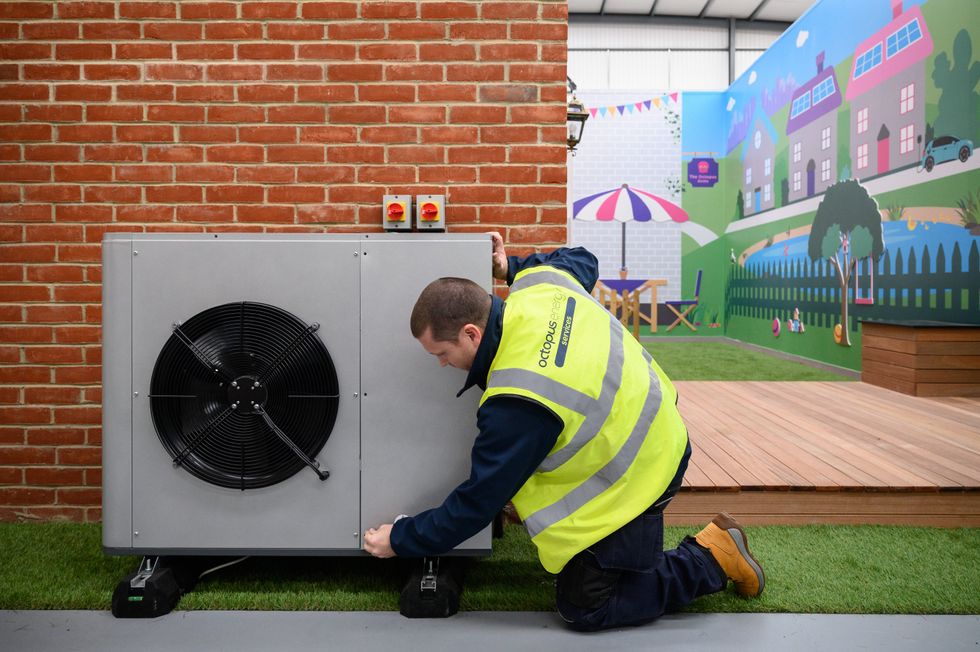 There have been just over 300,000 heat pump installations in the UK so far | GETTY
Further, as the UK struggles with some of the highest electricity prices in the developed world – partly due to green subsidies – running costs are also expensive.
Mike Foster, CEO of the EUA, said: "For heat pumps to become the default choice for households, installation costs must decrease substantially and running costs must be reduced.
There are also question marks over the efficiency of heat pumps in the UK’s aging housing stock. Homes need to be well insulated for heat pumps to function at their best.
An EUA report in 2021 found that heat pumps could be impractical for up to 54 per cent of UK houses, although the Department of Energy Security and Net Zero maintained that "zero-carbon home heating could be undertaken "without necessarily carrying out extensive deep retrofit work".
"Homes can convert to electric heating at a cost far lower than the accepted wisdom," it found. Another complaint raised against heat pumps is their noise. Last year, neighbours of energy secretary Ed Miliband raised the prospect of loud heat pumps when objecting to a development in their north London neighbourhood.
The same year, the Telegraph reported that a planned rollout of heat pumps in Parliament had been paused amid concerns over their noise and effectiveness.
Cumulatively, these problems have led to suggestions that only the wealthy can comfortably afford heat pumps – and raised questions over whom the BUS subsidies are benefitting.
Green energy tycoon Mr Vince, founder of Ecotricity, addressed this point in an interview with the Telegraph. He said: "I’ve been using heat pumps for 20 years. I know what they can and can’t do. The idea that you can get your bills down is going to be a very rare case.
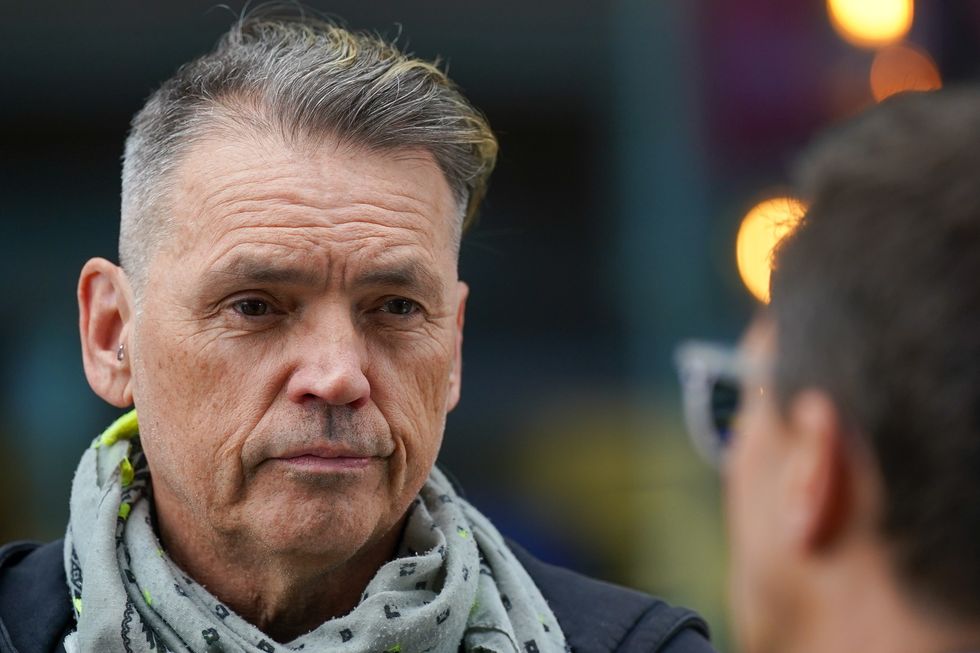
Dale Vince has weighed into the heat pump debate
| GETTY"Gas is a quarter of the price of electricity so a heat pump has a monumental task ahead of it just to keep bills the same. The worst imaginable is super high bills and a cold house, but it does happen."
Asked who might buy one he replied: "People buy heat pumps, I think, for lifestyle reasons." Mr Miliband responded at the time to Mr Vince’s comments, saying: "Dale has very strong views that I don’t agree with on heat pumps."
A DESNZ spokesman said in response to Mr Vince’s interview: "Over 90 per cent of Boiler Upgrade Scheme users surveyed are happy with their heat pump. The Warm Homes Plan – backed by £15billion of funding – ensures everyone can access the benefits and savings that home upgrades, including heat pumps, can bring."
The Heat Pump Association has said that the devices are a "proven, efficient, low-carbon heating solution which are readily available and scalable with the potential to reduce carbon emissions from heating by over 75 per cent relative to fossil fuel heating systems".
However, Andrew Montford, director of Net Zero Watch, backed Reform’s plans. He said: "Heat pumps are only viable in countries with very cheap electricity but, thanks to renewables, UK power prices are among the most expensive in the developed world.
"It's no surprise that even the huge Government bribes on offer haven't been enough to persuade most people to switch. Cancelling the scheme is the right thing to do."
Reacting to Reform’s policy announcement, A Labour spokesman said: "It is staggering that Reform UK would look at a spike in global gas prices and oppose the products that can help bring down energy bills for consumers.
"But then again, that is what we’d expect from a party that opposes Britain’s sprint for energy sovereignty and lower bills, and wants to ‘wage war’ on clean energy jobs."
More From GB News