








Chancellor Rachel is plotting a "further blow" to British savers as rumours circulate the Treasury is drafting a 22 per cent tax charge on ISAs.
Earlier this week, reports circulated Ms Reeves is considering taxing the interest earned on cash holdings placed in stocks and shares ISA products.
The proposed charge would come into effect from the 2027/28 tax year, alongside the previously confirmed reduction of the annual cash ISA allowance from £20,000 to £12,000 for savers aged under 65.
Those aged 65 and over will retain access to the full £20,000 cash ISA limit under the new framework.
Rachel Reeves is plotting 'another blow' to savers
|GETTY
The overall ISA allowance of £20,000 will remain unchanged for younger savers, though they would need to split contributions between different ISA types.
For instance, an individual could deposit £12,000 in a cash ISA whilst placing the remaining £8,000 into a stocks and shares wrapper.
Rob Morgan, the chief investment analyst at Charles Stanley Direct, warned that the proposed measures risk undoing years of progress in making ISAs more accessible.
He said: "The reforms aim to nudge savers towards investing rather than holding cash - a laudable aim. However, the suite of 'anti-circumvention' measures risks reversing much of the simplification of ISAs achieved in 2014, replacing it with a more restrictive and complex landscape."
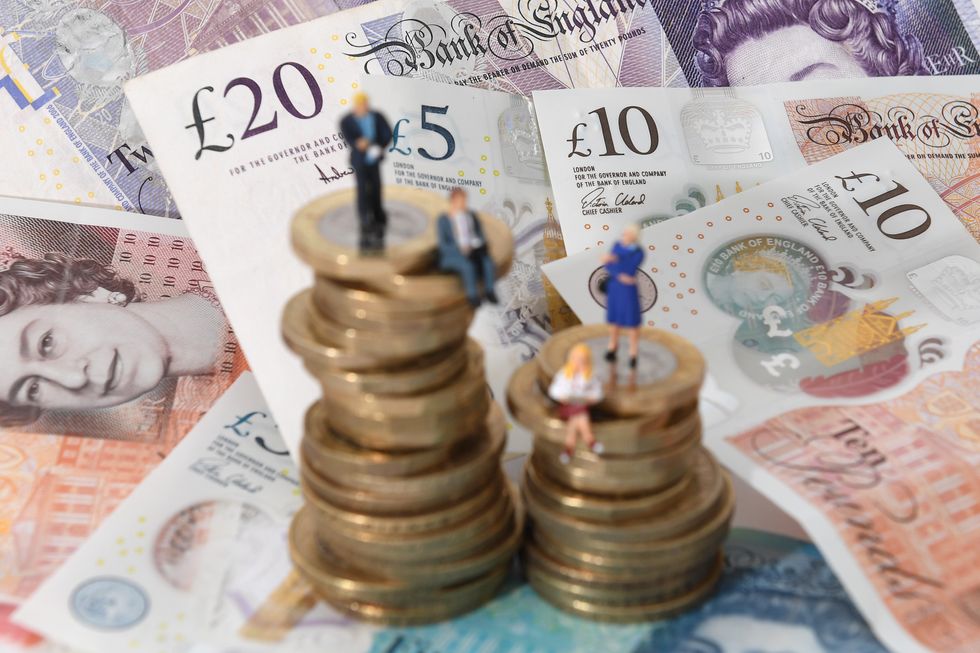 The ISA limit is currently £20,000 each tax year | PA
LATEST DEVELOPMENTS
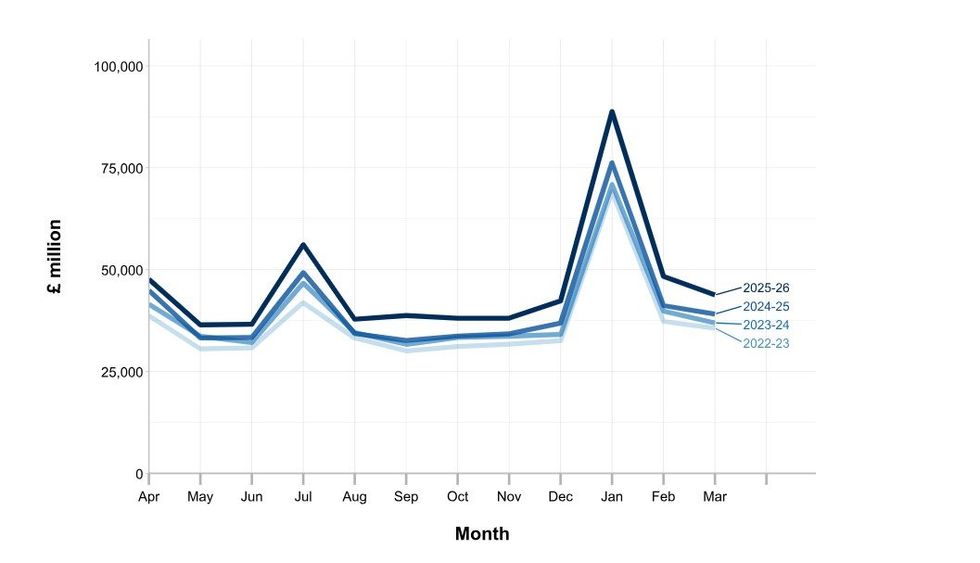 Tax receipts, including income tax, CGT and National Insurance, over recent years | HMRC
 Mr Morgan noted the proposed levy echoes arrangements that existed before George Osborne's reforms, when cash held in stocks and shares ISAs attracted a 20 per cent charge.
He added: "Reintroducing a tax charge on cash within stocks and shares ISAs means blurring those lines once again.
"A product that has long been marketed as a straightforward, tax-free wrapper will come with a significant caveat, and it remains to be seen how much damage that will do to the clarity and appeal of the ISA 'brand'."
Holly Mackay, chief executive of Boring Money, expressed concern that the shifting regulatory landscape would discourage potential investors at precisely the wrong moment.
 Customers can deposit up to their annual ISA limit of £20,000 | GETTY
She pointed to research showing financial confidence remains fragile across the UK, with 62 per cent of adults rating their confidence in opening a new investment product at five or below out of ten. Among those who do not currently invest, this figure rises to 72 per cent.
Ms MacKay said: "If we are to pursue the Chancellor's ambition of creating a nation of investors, we cannot keep moving the goalposts and making ISAs as confusing as everything else."
She highlighted that contribution limits now differ across Junior ISAs, Lifetime ISAs, cash ISAs and stocks and shares ISAs, arguing that introducing additional complex regulations will put off first-time investors.
Katie Horne, savings expert at Flagstone, described the potential 22 per ecnt levy as a further setback for savers already affected by the cash ISA allowance reduction.
The savings expert noted: "Not only will the tax curtail the freedom savers have to make savings and investments that suit their personal, individual needs, but it also risks confusing and complicating a system that was created to simplify taking control of personal finances and developing good savings habits."
Research conducted by Flagstone and Opinium during the first quarter of 2026 found that 67 per cent of cash ISA holders favour them above all other savings options, whilst 66 per cent choose them over stocks and shares ISAs specifically to avoid putting their money at risk.