










Employers could face a £6,800 increase in costs for each young worker they hire under Labour proposals to abolish the youth minimum wage rate, according to analysis from the Institute for Fiscal Studies (IFS).
The respected think tank calculated the Government’s plan to eliminate what ministers have described as "discriminatory age bands" would place businesses under a 40 per cent real-terms rise in hiring expenses.
Rachel Reeves’ ambition to pay 18 to 20-year-olds the same hourly rate as workers aged 21 and over forms a central plank of Labour’s manifesto commitments.
The policy was originally championed by former deputy prime minister Angela Rayner, who directed the Low Pay Commission to chart a course towards wage equalisation by the end of this parliament.
TRENDING
Stories
Videos
Your Say
The proposals come as youth unemployment has risen to 16.1 per cent, marking the highest level for young Britons seeking work in a decade.
Government ministers are expected to soften the policy in the coming weeks amid growing concerns about its potential impact on job opportunities for younger workers.
The IFS warning follows similar cautionary notes from other economic research bodies, including the Resolution Foundation, which has urged a slower pace of increases to the youth wage floor.
Lower pay rates for younger workers have been a feature of Britain’s minimum wage system since its introduction under a Labour Government in 1999.
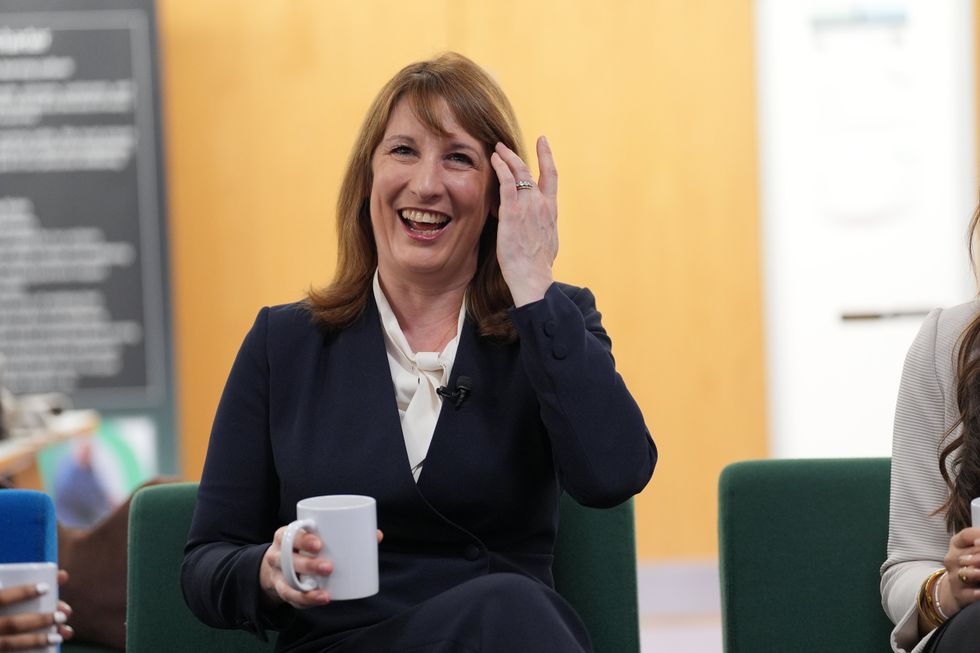
Employers could face a £6,800 increase in costs for each young worker
|PA
The think tank warned the current trajectory risks significantly increasing employment costs for businesses hiring young people.
The Chancellor has already overseen substantial above-inflation rises in pay for younger workers.
In April last year the rate for 18 to 20-year-olds increased by 16.3 per cent, lifting it from £8.60 to £10 per hour.
A further 8.5 per cent rise is scheduled for April this year, taking the youth rate to £10.85 per hour.
LATEST DEVELOPMENTS

Businesses may feel its too expensive to hire inexperienced staff
|GETTY
Workers aged 21 and over are due to receive a smaller 4.1 per cent increase, bringing their hourly pay to £12.71.
The IFS calculated these increases alone will add £1,476.90 to employer costs for a part-time teenager working 16 hours a week compared with inflation-linked pay rises.
For young workers on full-time 35-hour contracts, the additional real-terms burden rises to £3,230 before any further equalisation measures take effect.
IFS economist Nick Ridpath said employment rates have fallen more sharply among younger workers than among older age groups in recent years.

Youth unemployment has risen to 16.1 per cent
|GETTY
Mr Ridpath said: "This is something that's particularly important because this group has been the subject of a lot of focus in recent months."
The think tank also highlighted concerns about young people who are not in education, employment or training.
Mr Ridpath added: "This is something that we think might cause particular scarring for these groups if they don't get the attachment to the labour market they might need going forward."
His colleague Tom Waters said the organisation was not making formal policy recommendations but urged caution while the labour market remains fragile.
"All else equal, you want to be less aggressive on the minimum wage when the labour market is weak."
More From GB News