









Unions have accused Labour of “betraying” graduates after Chancellor Rachel Reeves declined to make any changes to student loan repayments in her Spring Statement.
Speaking in Parliament on March 3, Ms Reeves delivered updated economic forecasts but offered no movement on student finance, despite mounting pressure over rising repayment costs for those on Plan 2 loans.
The Chancellor had already signalled the Spring Statement would not be a major fiscal event, with significant decisions reserved for the autumn Budget.
Even so, with frustration growing over the real‑terms increase in repayments caused by the frozen threshold, campaigners and MPs had hoped for signs of reform.
TRENDING
Stories
Videos
Your Say
Daisy Cooper, Liberal Democrat MP for St Albans, told the Commons “graduates are being ripped off”, arguing ending the threshold freeze would put £100 back in graduates’ pockets in the first year, rising to £210 by year three.
Her party has also proposed writing off student debt for some public sector workers after 10 years of service.
Ms Reeves rejected the criticism, saying it was “extraordinary” for the Liberal Democrats to raise student finance given they “trebled tuition fees” in government.
Student groups also condemned the lack of action. Amira Campbell, president of the National Union of Students, said the Treasury had “missed an opportunity”, adding unfreezing the threshold would “put money back into the pockets of graduates”.
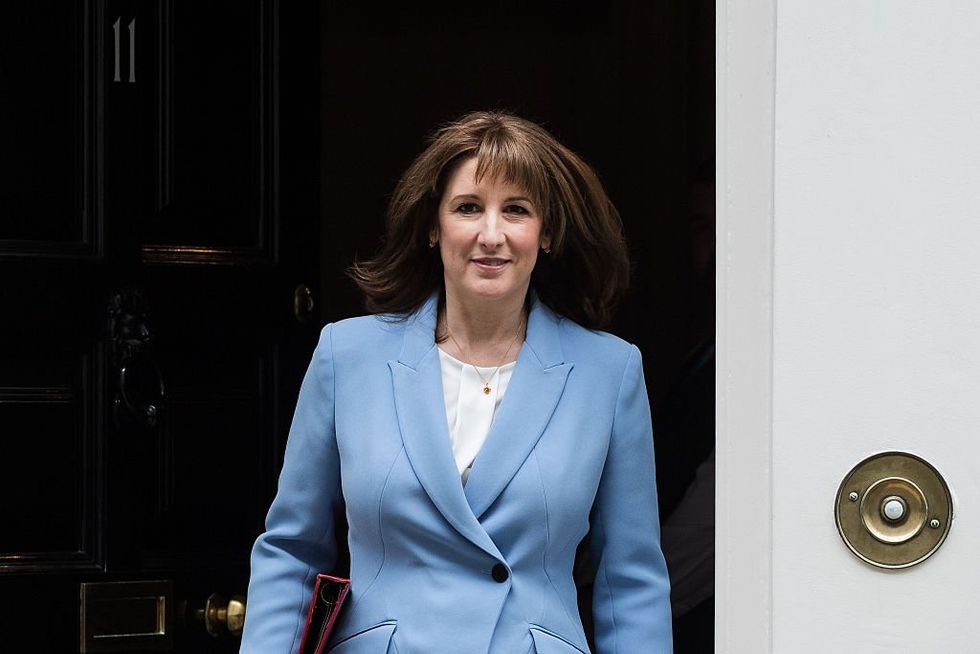
Unions and opposition MPs criticise Chancellor for failing to reform student loan repayments
|GETTY
Jo Grady, general secretary of the University and College Union, said the Government had “betrayed the millions of graduates drowning in debt”.
Under current rules, borrowers on Plan 2 loans repay nine per cent of earnings above £28,470.
With the threshold frozen while wages rise, a growing share of income is being pulled into repayments — a dynamic economists say amounts to a stealth increase in contributions.
Owen Dixon, founder of Best Student Halls, said the combined impact of income tax, National Insurance and student loan deductions is increasingly shaping early‑career finances.
LATEST DEVELOPMENTS
Student loans have previously been labelled as having punitive interest rates
|GETTY
“When a significant portion of additional earnings is absorbed, progression can feel slower and disposable income tighter,” he said.
Mr Dixon told GB News the way repayments are collected can blur the line between a loan and a tax.
“Legally, student loans are income‑contingent repayments rather than taxation. But when deductions sit alongside income tax and National Insurance, the distinction can feel less meaningful.
"If thresholds are frozen and repayments rise in real terms, graduates experience it as a higher effective earnings deduction.”
He added effective marginal rates for some graduates “can move into territory that feels unusually high, particularly at relatively modest salary levels”, affecting how young workers perceive their financial progress.
Housing pressures compound the issue. Many graduates enter the private rental market just as their repayments begin to rise.
“When early‑career finances tighten, housing decisions become more cautious,” Mr Dixon said. “That has implications for mobility, independence and rental markets in university cities.”
He warned if thresholds remain frozen while wages stagnate or rise only modestly, “a larger share of income becomes subject to repayment in real terms”, squeezing disposable income and delaying savings or relocation plans.

Students have criticised the "regressive system"
|GETTY
He also highlighted fairness concerns: “Those who borrow will carry repayments for longer.
"The perception gap between those who rely on borrowing and those who do not can shape financial confidence and long‑term planning.”
Mr Dixon said the Government’s rhetoric about supporting young people must be matched by policy that reflects the cumulative effect of frozen thresholds, slow wage growth and rising living costs.
“For policy to support generational progress, repayment design and labour‑market conditions need to move in step.”
More From GB News