







Chancellor Rachel Reeves is convening discussions with senior figures from major oil and gas companies at Downing Street today, as the Middle East conflict continues to drive significant volatility in energy markets.
Representatives from BP, TotalEnergies and Serica are among the industry leaders attending the meeting with the Chancellor.
The Prime Minister's spokesman confirmed the talks would focus on the ongoing instability in oil and gas prices stemming from the regional conflict.
The discussions come a day after Tuesday's spring statement, which had been seen by some as a potential opportunity to address concerns raised by the energy sector.
Ms Reeves will use the meeting to restate her determination to bring the energy profits levy to an end, according to the Prime Minister's spokesman.
The Chancellor intends to replace the current windfall tax with a framework that offers greater stability and predictability for the industry.
"She'll be reaffirming her commitment to support jobs and investment in the industry and look at ways to protect everyday people from the downstream impact of these costs," the spokesman said.
When asked whether the Government might consider an energy bill relief scheme similar to that introduced under Liz Truss in 2022, the spokesman refused to pre-empt the outcome of the discussions.
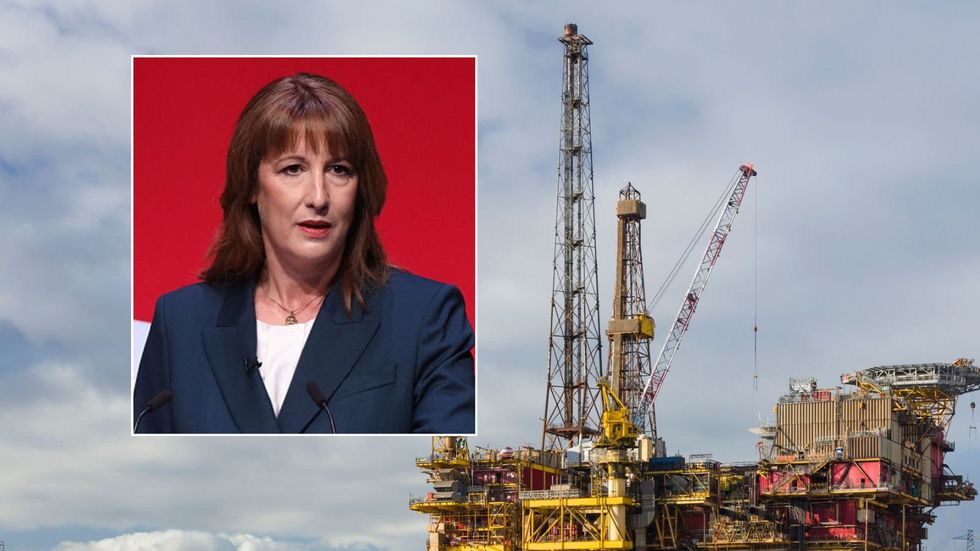
Rachel Reeves 'committed' to end windfall tax as she holds crisis talks with North Sea oil and gas bosses
|GETTY
Scottish First Minister John Swinney had urged the Chancellor to abolish the levy in yesterday's spring statement, describing its removal as "utterly essential" given current circumstances.
"I've been saying to the UK Government for some time that the energy profits levy should be removed because it is hampering investment in the North Sea oil and gas sector, which is resulting in a loss of employment at a much faster rate than we anticipated," Mr Swinney told the Press Association.
The First Minister argued that uncertainty surrounding energy supplies due to the Middle East situation represented a "material consideration" for scrapping the charge.
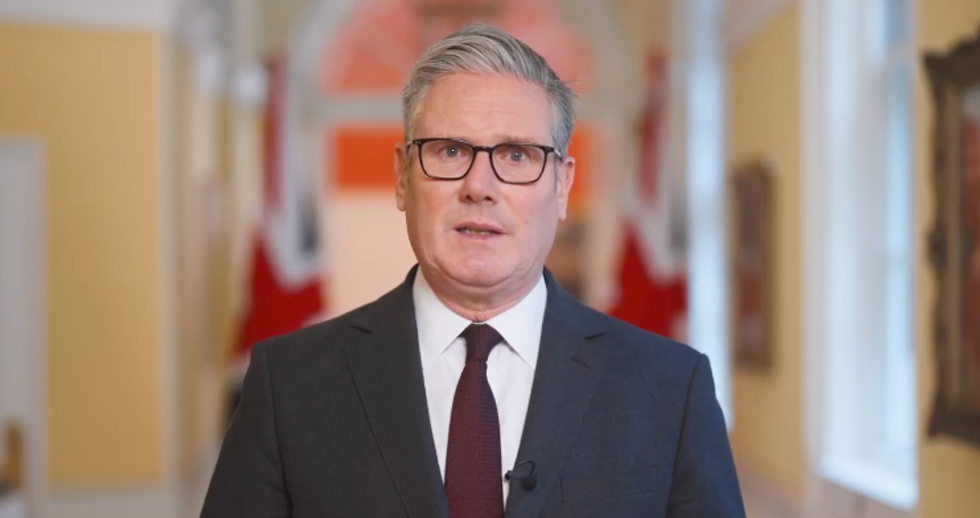
The Prime Minister's spokesman confirmed the talks would focus on the ongoing instability in oil and gas prices
| X / KEIR STARMERScotland's Finance Secretary Shona Robison called on Ms Reeves to use today's meeting to "announce an end to this tax on Scotland's energy".
However, fuel poverty campaigners have strongly opposed any move to abolish the levy.
Simon Francis, co-ordinator of the End Fuel Poverty Coalition, argued that rising global gas prices and Middle East tensions demonstrated precisely why the tax should remain in place.
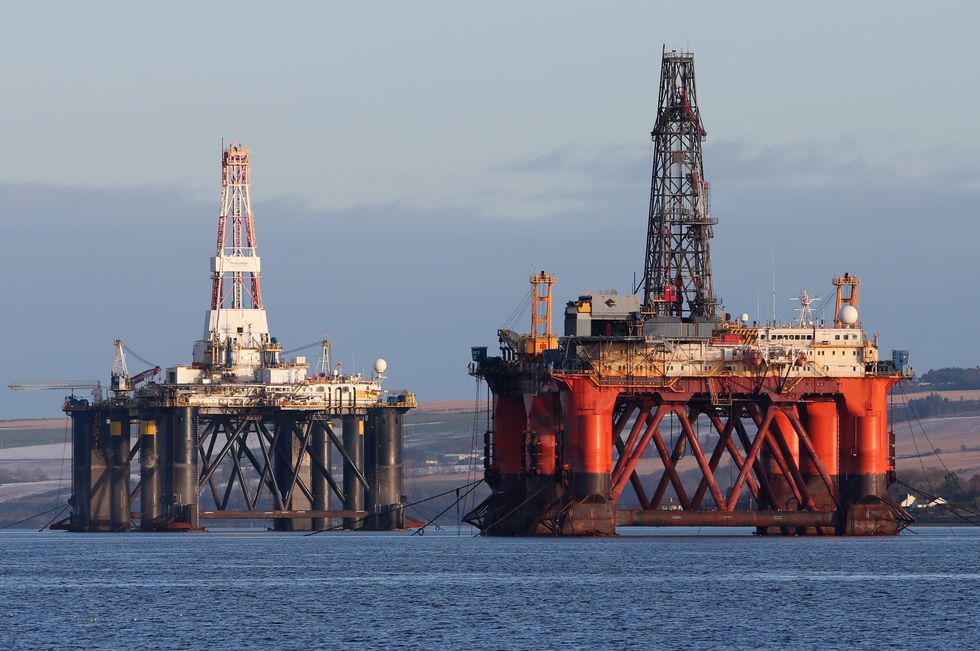
Energy companies had generated tens of billions in profits despite the levy being in force
| PA"When geopolitical tensions push up prices, energy companies and their shareholders benefit while households face another round of higher bills from July 1," Mr Francis said.
He pointed out that energy companies had generated tens of billions in profits despite the levy being in force, dismissing claims that scrapping it would reduce prices or improve security.
"The North Sea is declining because of the geology of an ageing basin, not because companies are paying a fair share of tax," he added.