










Chancellor Rachel Reeves is facing growing pressure to scrap her inheritance tax overhaul aimed at family-run businesses.
Business leaders argue that lifting the threshold from £1million to £2.5million does not go far enough to protect firms that are often passed down through generations.
The Government announced the change before Christmas, increasing the point at which a 20 per cent inheritance tax charge applies to family-owned companies and agricultural holdings.
However, the move has failed to calm critics, many of whom want the policy dropped altogether.
From April 2026, changes to agricultural property relief and business property relief will mean a 20 per cent inheritance tax charge applies to qualifying assets above the new threshold. For married couples, the combined threshold will rise to £5million.
Opponents of the reforms say the higher limits do little to tackle their core concerns, warning that the changes could still force families to sell businesses or land to cover tax bills.
Paul Andrews, founder and chief executive of campaign group Family Business United, has urged the Chancellor to reconsider entirely and execute a complete reversal of the policy.
"Family firms are the lifeblood of our communities and our economy. A Government that wants to support growth should be straining every sinew to support them. Instead, Chancellor Rachel Reeves has made them the target of an ill-thought-out tax grab," he told The Daily Mail.
Mr Andrews cautioned that imposing a 20 per cent inheritance tax burden when enterprises transfer to the next generation will undermine both employment and capital investment.
"Many family businesses will be lost forever - businesses at the heart of communities the length and breadth of the nation, who do so much to support the communities in which they operate over and above the jobs they provide, the income they create, the wealth they produce and the taxes they already pay," he said.
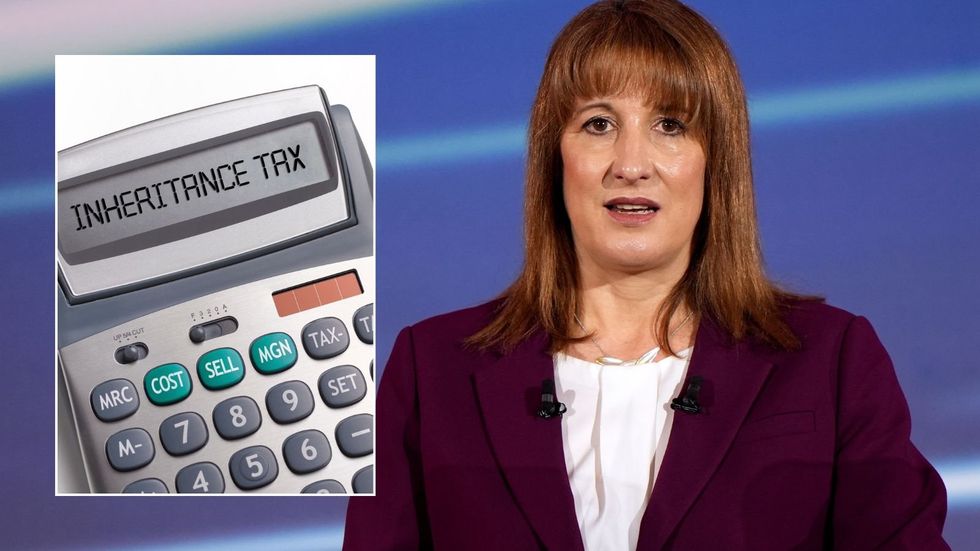
Family firms warn inheritance tax shake-up puts thousands of jobs at risk
| GETTY / PASteve Rigby, chairman of Family Business UK, acknowledged the threshold increase but stressed it "remains a material challenge" for family enterprises.
Mr Andrews warned the policy could trigger hundreds of thousands of redundancies across the country, describing this as particularly damaging given rising youth unemployment and young people's struggles to secure work.
He argued the reforms may prove counterproductive for public finances, suggesting they could actually drain Treasury coffers rather than fill them.
"The Treasury forecasts that it will take in a few hundred million a year in extra tax, a very modest sum in the grand scheme of the public finances.

Mr Andrews warned the policy could trigger hundreds of thousands of redundancies across the country
| GETTY"But the scale of the job losses and all the lost tax that will result means the overall cost to the Treasury is significantly more. So the sums don't even add up," Andrews said.
Tax experts have also questioned whether inheritance tax in its current form makes economic sense.
Arjun Kumar, founder of tax advisory firm Taxd, noted that inheritance tax generates relatively modest revenue for the Treasury despite carrying significant negative perceptions.

From April 2027, pension pots will fall within the scope of inheritance tax for the first time
| GETTYHe pointed to the Netherlands as an example where lower rates actually produce higher tax receipts, arguing that Britain's 40 per cent headline rate encourages wealthy individuals to pursue avoidance strategies.
Mr Kumar suggested that reducing or eliminating inheritance tax could boost the wider economy through increased asset purchases, generating additional stamp duty and capital gains tax revenue alongside greater business investment.
He added that widespread misunderstanding of existing allowances and spousal transfer rules already discourages investment unnecessarily.
More From GB News