







Rachel Reeves is facing fresh pressure after new figures showed the UK is the only G7 country with inflation above three per cent.
Households in Britain are facing stronger price pressures than those in the United States, Canada, Germany, Japan, Italy and France.
For months, the UK has held the unwanted distinction of recording the highest inflation among the world's leading advanced economies.
The timing proves particularly awkward for the Chancellor, who just last week used her spring statement to highlight efforts at keeping price rises "low and stable as possible" while pointing to forecasts suggesting inflation would fall faster than anticipated.
UK inflation stands at 3.2 per cent when measured using the CPIH gauge, which is used for international comparisons, according to fresh data from the Organisation for Economic Co-operation and Development.
American consumers are experiencing price growth of 2.4 per cent, while Canada sits marginally lower at 2.3 per cent.
Germany's inflation stands at 2.1 per cent, with Japan recording just 1.5 per cent.
Italy fares better still at one per cent, but France leads the group with remarkably subdued price rises of merely 0.3 per cent.
The OECD noted that while energy and food costs have been easing across member nations, underlying "core" inflation persists as the primary force behind headline figures throughout the G7.
"This was especially true in the United Kingdom, which remains the only G7 country with headline inflation above three per cent," the organisation stated.
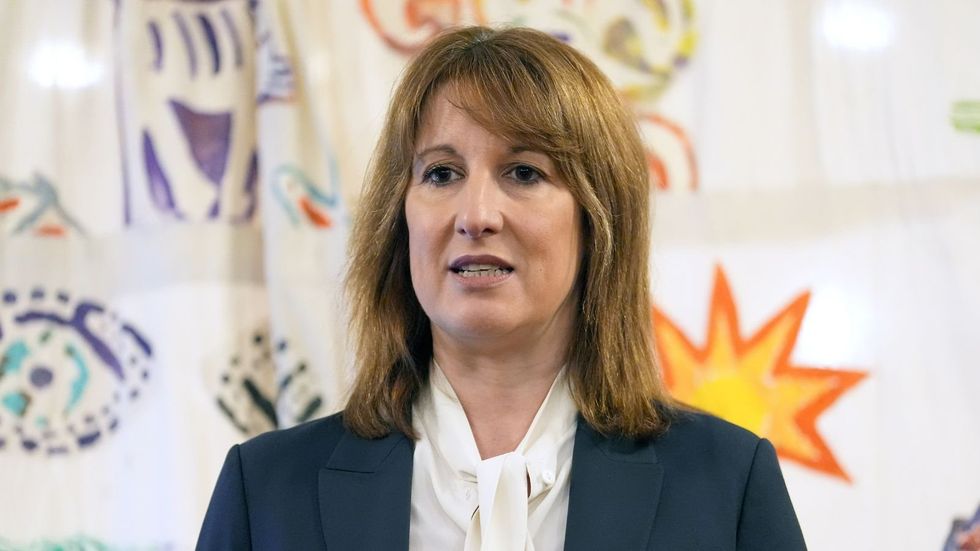
UK inflation stands at 3.2 per cent when measured using the CPIH gauge
|GETTY
The escalating Middle East conflict has thrown these already troubling figures into sharper relief, with oil prices climbing roughly 20 per cent since hostilities intensified and gas prices surging by approximately 50 per cent.
Professor David Miles, who sits on the Office for Budget Responsibility's budget responsibility committee, delivered a stark warning to MPs on the Treasury select committee.
"Right now, if prices don't change from where they are both the spot prices and market expectations for futures prices, which is particularly important for the Ofgem price cap we think we would end the year not near two per cent, but nearer three per cent," he told the committee.
LATEST DEVELOPMENTS:
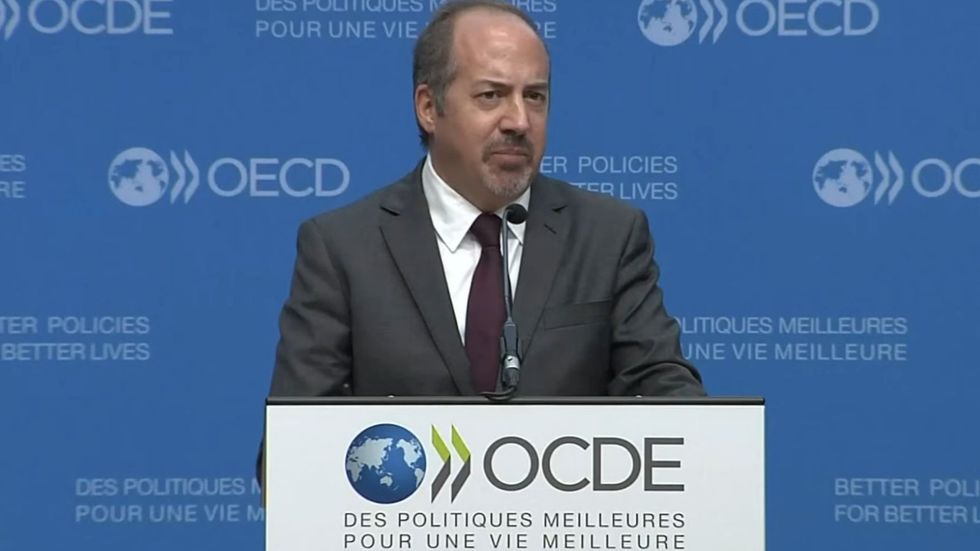
The OECD noted that while energy and food costs have been easing across member nations, underlying "core" inflation persists as the primary force behind headline figures throughout the G7
| GBNEWSThe OBR member described the economic consequences of the Iran war as "nothing but negative".
The deteriorating inflation outlook brings unwelcome news for mortgage holders and those with loans, as expectations of two interest rate reductions this year have now vanished.
Professor Miles acknowledged the impact on UK prices could prove "significant" and "completely unwelcome", though he noted energy price increases were "not on the same scale as we experienced after the Russian invasion of Ukraine".
The OBR member described the economic consequences of the Iran war as "nothing but negative"
| GETTYBritain's broader economic picture offers little comfort, with growth reaching just 1.3 per cent last year.
Economists warn that ripple effects from the Iran conflict will likely dash any prospects of improvement in 2026.
Some analysts believe inflation could climb as high as five per cent.
More From GB News