







Private school fees continue to rise across the UK, but more than a third of pupils receive financial help to reduce the cost, according to industry figures.
Average day school fees now stand at around £19,000 per year, while boarding schools typically charge close to £50,000 annually.
Research from Weatherbys Private Bank suggests parents enrolling a four-year-old in private education in 2025 could face total costs of £377,000 through to A-levels, rising to £763,000 for boarding education.
The figures come after VAT was applied to private school fees for the first time last year, increasing costs for many families.
TRENDING
Stories
Videos
Your Say
Despite the headline figures, data from the Independent Schools Council shows that a significant proportion of pupils receive financial assistance.
The organisation said 183,487 pupils, representing around 34.5 per cent of those attending private schools, received some form of fee support last year.
The total value of financial assistance reached £1.5billion, an increase of 11.4 per cent compared with 2024.
Support is generally provided through scholarships or bursaries, which operate under different criteria.
Scholarships are awarded for excellence in specific areas such as academic achievement, sport, music or the performing arts.
These awards usually involve entrance exams, auditions, interviews or portfolio assessments and are typically merit-based rather than means-tested.
Bursaries are assessed on household finances and account for nearly half of all financial assistance provided by independent schools.

Could your family qualify for money off private school fees?
|GETTY
Melanie Sanderson, managing editor at the Good Schools Guide, said: "Bursaries are given to children who meet the school's academic standards but do not have the family finances to pay for a place."
Schools assess bursary eligibility using a broad range of financial information rather than relying solely on income.
Ms Sanderson said household circumstances, assets and expenditure are all taken into account.
Some schools operate higher income thresholds than many families expect.
St Paul’s School in London considers families earning up to £144,000 for partial bursary support, provided net assets are below £1.6million.
Families with incomes below £78,000 may be eligible for full fee support at the school, subject to assessment.
Harry Godfrey, co-founder at education charity The Degree Gap, said many schools avoid fixed salary cut-offs.
LATEST DEVELOPMENTS

Schools consider factors including housing costs, dependants, savings, assets and regional living expenses when making decisions
|GETTY
Mr Godfrey said: "One point that often surprises parents is that many independent schools do not operate a strict salary cut-off when assessing bursary support."
He said schools consider factors including housing costs, dependants, savings, assets and regional living expenses when making decisions.
In addition to bursaries and scholarships, some schools offer reduced fees through other schemes.
Children from Armed Forces families often qualify for fee discounts, and sibling discounts are widely available.
Some schools offer concessions for children of clergy, doctors or single parents.
Other institutions focus on supporting families from specific professional backgrounds.
The Licensed Victuallers School in Ascot provides assistance to families working in the drinks trade, while the Royal Hospital School in Suffolk offers support to children of seafarers.
Staff discounts are also common, with reduced fees available to children of school employees.
Government-funded support is available through the Music and Dance Scheme, which provides means-tested funding for children with exceptional performing arts talent.
Ms Sanderson said families are advised to research options early, as awards vary widely between schools.
She said scholarships are available across a broad range of interests, including chess, physics, tennis and sailing.
Edmund Matyjaszek, headteacher at Priory School of Our Lady of Walsingham on the Isle of Wight, said recent changes in pupil numbers could affect availability.
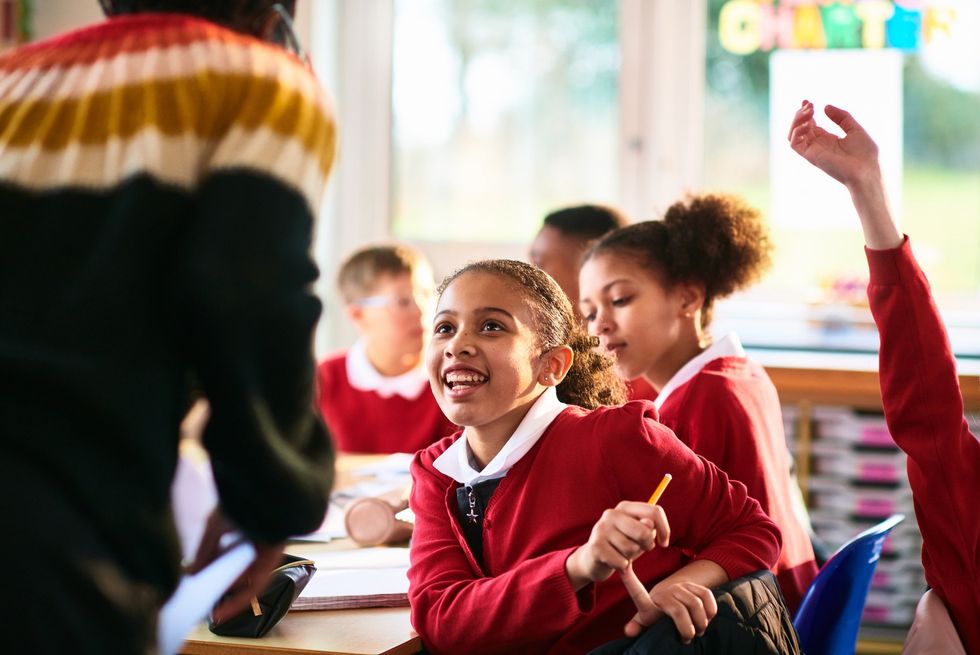
Scholarships are available across a broad range of interests, including chess, physics, tennis and sailing
|GETTY
He said: "Numbers at most schools have gone down recently, so parents may have more bargaining power than they think."
Data from the Independent Schools Council (ISC) shows that around half of bursaries and approximately three-quarters of scholarships cover between 1 and 50 per cent of fees.
Nearly 17 per cent of bursaries provide full fee coverage, with some also contributing towards uniforms, transport and school trips.
Schools assess awards annually and continued support is typically subject to financial review and academic progress.
More From GB News