







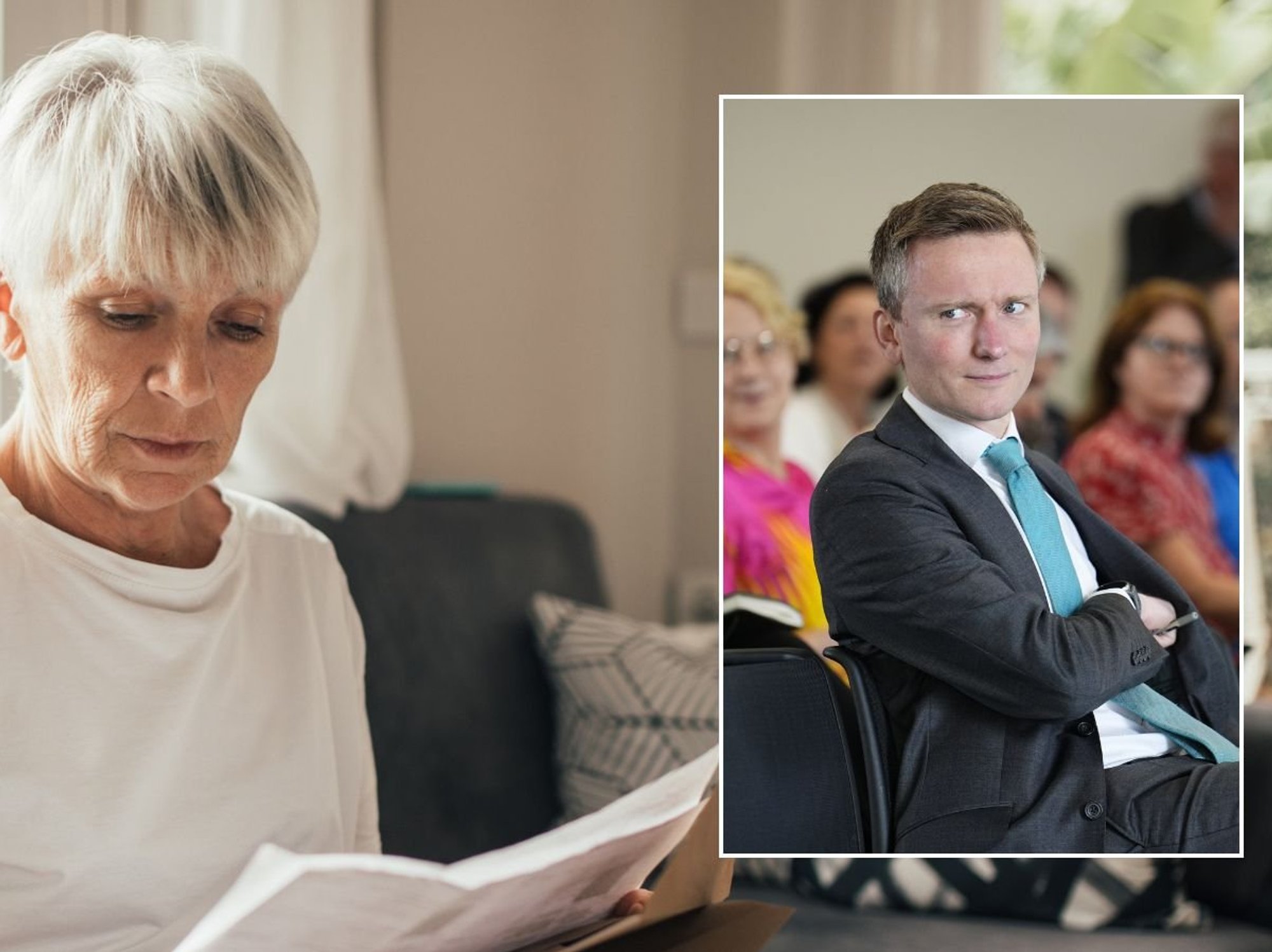


A growing gap in retirement savings is leaving many people facing an uncertain financial future.
New figures suggest the divide may be far wider than previously understood.
A new report calls for an overhaul of pensions policy and financial advice to address the current pensions gap.
Men approaching retirement age have built up around £56,000 more in private pension savings than women, according to data from the Department for Work and Pensions.
Figures published in July 2025 show that by age 59, men hold a median £75,000 in defined contribution pension pots. Women of the same age typically have just £19,000 saved.
That leaves female savers with a 75 per cent less than men by the time they reach 60.
The imbalance matters because almost 15 million people across Britain are already failing to save enough for later life. Women make up a disproportionate share of those facing a shortfall.
Crucially, the gap persists despite women generally contributing a similar share of their earnings into pension schemes as men.
A new study from the University of Edinburgh, supported by wealth manager Evelyn Partners, challenges the idea that smaller pension pots are driven by a lack of confidence among women.
Instead, the research points to structural and social barriers that interrupt careers and reduce long-term pension accumulation.
Emily Shipp, a psychologist at the Edinburgh Futures Institute and author of the report, said: "For too long, the 'confidence gap' narrative we see in financial advice and media reports has masked the real systemic, situational and social factors that result in the pensions gulf."
The study argues that the financial industry has often misunderstood women’s behaviour, mistaking caution for a lack of confidence, when wider circumstances tell a different story.
 The details will provide estate administrators and pension providers with the operational guidance needed to implement the new inheritance tax regime when it takes effect in April 2027 | GETTY
 It says long-standing assumptions that men are more financially capable continue to influence how women engage with money, even though perceived confidence gaps are driven more by stereotypes than by ability.
Emma Sterland, chief financial planning officer at Evelyn Partners, said the research "shines a light on the complex structural barriers that women face as they build their financial security over a lifetime".
LATEST DEVELOPMENTS:
- Martin Lewis issues state pension warning as Britons urged to remember 'five-year' rule
- Pension raid fears grow as Rachel Reeves's retirement tax bill hits £59billion
- Labour told to block pension savers from accessing pots at 55
Researchers warned the findings have serious consequences as Britain’s population ages.
Tobi Schneider, fintech sector lead at Edinburgh Innovations and co-director of the Compassion in Financial Services Hub behind the report, said: "With an ageing population, without action, we are sleepwalking into financial disaster for a large proportion of people."
The study found that six in ten women do not have a financial plan in place for retirement, leading researchers to warn that a "pensions timebomb" is developing if current practices continue.
 Britons are unaware of how far the state pension will go in retirement | GETTY
It also showed that the private pensions gap has widened in recent years, increasing from 35 per cent to 48 per cent.
The report identifies a range of linked barriers that continue to prevent many women from building sufficient retirement savings.
Lower earnings due to the gender pay gap, career interruptions for child rearing, and higher rates of part-time employment all contribute to reduced pension contributions.
Women also shoulder a disproportionate share of unpaid caring responsibilities for family members, further limiting their earning potential and time for financial planning.
ONS data cited in the research shows women spend an additional hour daily on visible childcare and household tasks compared to men.
Perhaps most significantly, women perform 73 per cent of cognitive labour within households, encompassing the mental work of organising and anticipating family needs..

The gap persists despite women generally contributing a similar share of their earnings into pension schemes as men
| GETTYThis "mental load" consumes the same psychological resources required for long-term financial decision-making, the report argues.
Emily Shipp explained how these pressures compound one another: "Mental load and time scarcity operate together. Women are more likely to carry the ongoing cognitive labour of anticipating and co-ordinating care, while also spending significantly more time on unpaid work."
She added: "These pressures reduce both the mental bandwidth and the available time needed for sustained engagement with long-term financial planning."
The report notes that women in Britain typically devote more than three and a half hours daily to unpaid work.
Where women appear disengaged from retirement planning, this may be the predictable outcome of overwhelming present-day demands rather than any lack of interest, the research suggests.
Ms Shipp argued that pensions policy has historically centred on male career patterns rather than the care-interrupted working lives many women experience.
More From GB News