







Octopus Energy has confirmed all customer energy bills will be cut next year, by an average reduction of £134, as a result of Chancellor Rachel Reeves's Budget reforms last month.
During her fiscal statement, the Chancellor confirmed the Energy Company Obligation (ECO) scheme would be scrapped, as well as certain green levies, with the Government to fund more of the Renewables Obligation (RO) through general taxation.
Under the ECO, large suppliers are required to fund energy efficiency upgrades for low-income households to combat fuel poverty and reduce carbon emissions, Examples of these upgrades include insulation and heat pumps.
As well as this, the RO demanded energy firms source from renewable sources. Suppliers have argued these initiatives hiked the cost of doing business and are passed onto consumers.

Octopus Energy has confirmed all customers will see their energy bills fall next year
|GETTY / PA
However, Ms Reeves's reforms to the energy regime are set be implemented from April 1, 2026 and energy suppliers are signaling households will see a dramatic cut to their energy bills.
As of today, Octopus Energy is the first major energy supplier to promise these reductions will be applied automatically across all existing and new fixed and variable tariffs.
This means customers will not need to ask for there energy bills to be cut with the firm estimating the typical yearly bill for the average household will fall by around £134.
Furthermore, Octopus is urging other energy firms to make the same commitment and ensure that customers benefit transparently. This is part of the company’s ongoing commitment to making energy simpler, fairer, and more affordable.
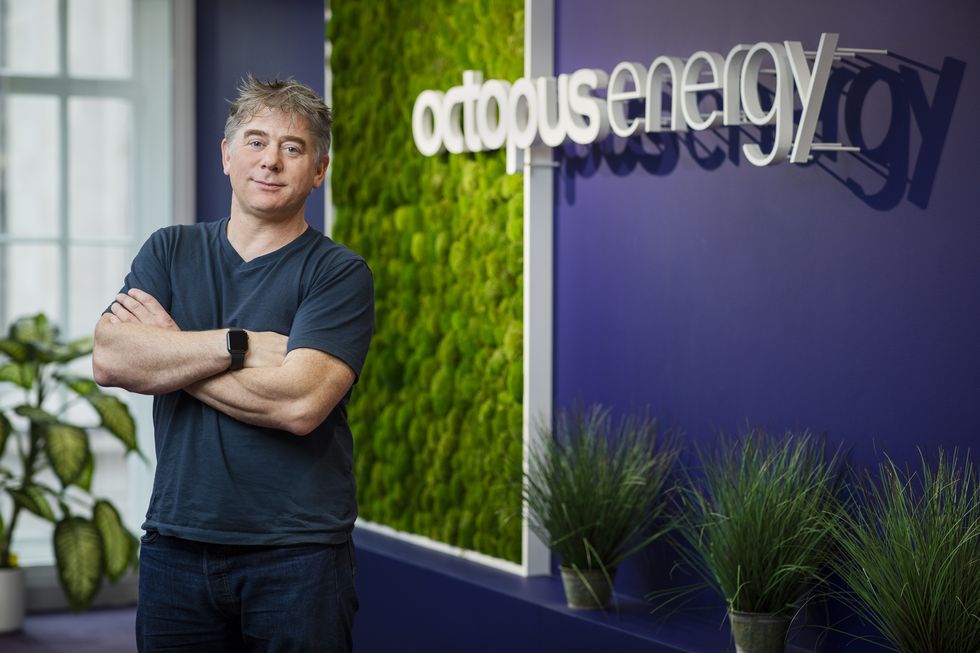 Greg Jackson is the CEO of Octopus Energy | OCTOPUS ENERGY
Greg Jackson, CEO and Founder of Octopus Energy, said: “Octopus has long called for cuts in policy costs to help bring bills down, so we are delighted to see the government taking action.
"These changes will bring a welcome relief to customers, and we’ll pass them through on all of our tariffs as soon as they kick in, so no one misses out. Octopus customers can rest easy – we’ll do it all automatically. We hope other suppliers will follow our lead so everyone can benefit."
In another win for energy billpayers, Ofgem's price cap is estimated to fall by around 6.1 per cent in April 2026 after jumping slightly by 0.2 percentage points in January.
The energy sector regulator's price cap limits how much suppliers can charge household with average usage per unit for gas and electricity, as well as capping the standing charge which daily fee just for being connected
 Energy bills have been a major concern for households | GETTY
 Currently, for October to December 2025, the dual-fuel energy bill is set at £1,755 per year for an average household paying by direct debit. However, this will rise to £1,758 per year in January, which is an annual increase of about £3 more a year for those of average usage.
However, the energy price cap is now set to plummet by 6.1 per cent in the second quarter of next year, based on the average projections from British Gas, EDF and Eon.
Earlier this week, financial journalist Martin Lewis broke down what families should expect when it comes to their energy bills from April 2026 and how much they can likely save.
Posting on social media, he shared: "The April energy price cap now predicted to fall 6.1 per cent, following the confirmed 0.2 per cent rise in January. This marks an improvement, as wholesale rates have dropped over the past week - though the broader picture remains more complex."
LATEST DEVELOPMENTS
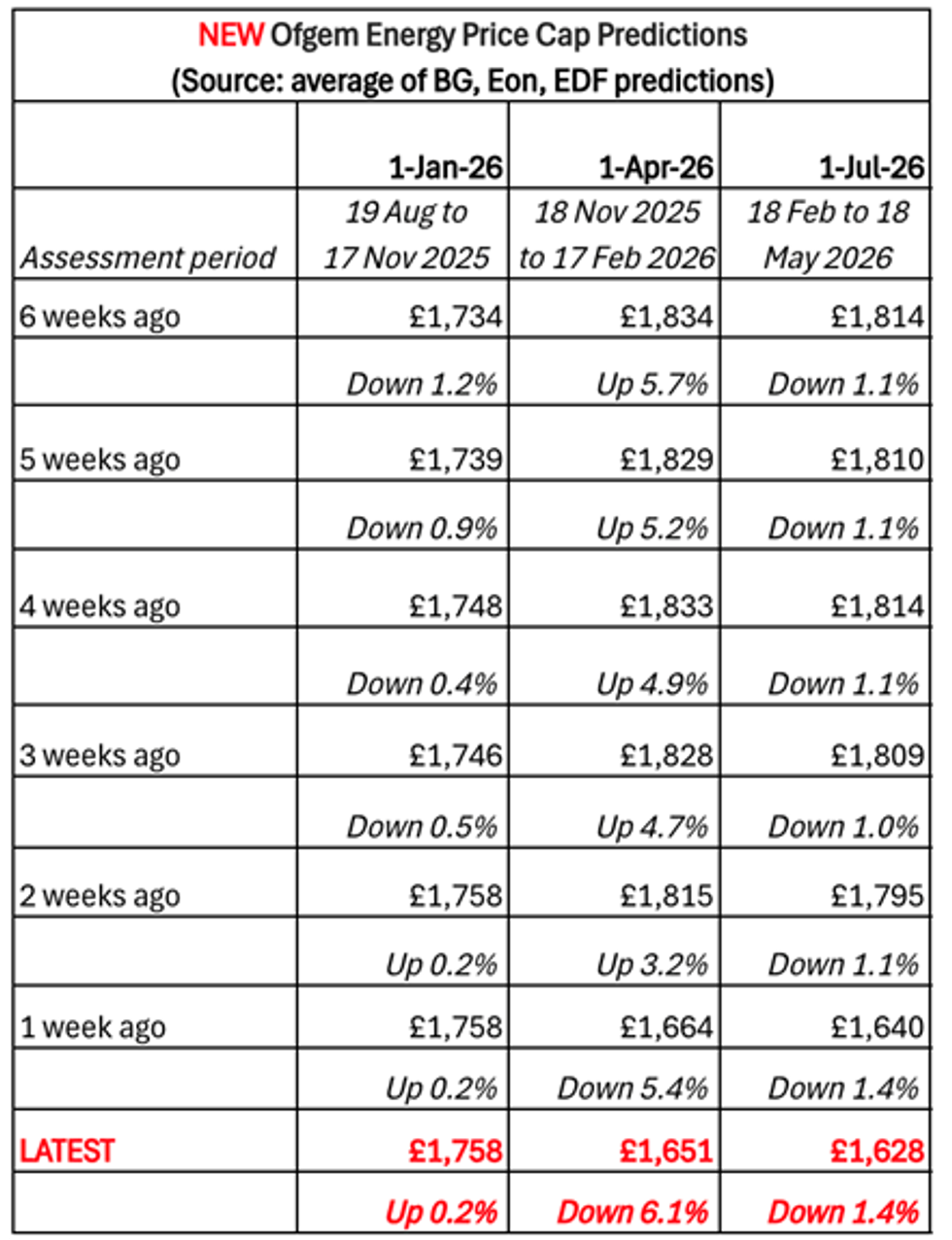 How will the Ofgem energy price cap change next year? | MARTIN LEWIS / X
"The original prediction of an April [price cap] rise wasn’t due to wholesale prices, but because additional network costs are expected to be added to bills and that is still the case. The Budget changed things: the ECO scheme is being scrapped and some other policy costs are moving to general taxation."
Mr Lewis asserted families with average energy usage will get a typical £150 reduction in their yearly bill, which comes to a seven-to-eight per cent cut applied to the unit rate.
The host of The Martin Lewis Money Show Live added: "That shift turned the forecast from a net three per cent rise to a five per cent fall last week."
During her Budget statement, the Chancellor referred to the ECO "failed scheme" which is costing the UK an extra £1.7billion a year, with energy suppliers passing the costs to consumers.