




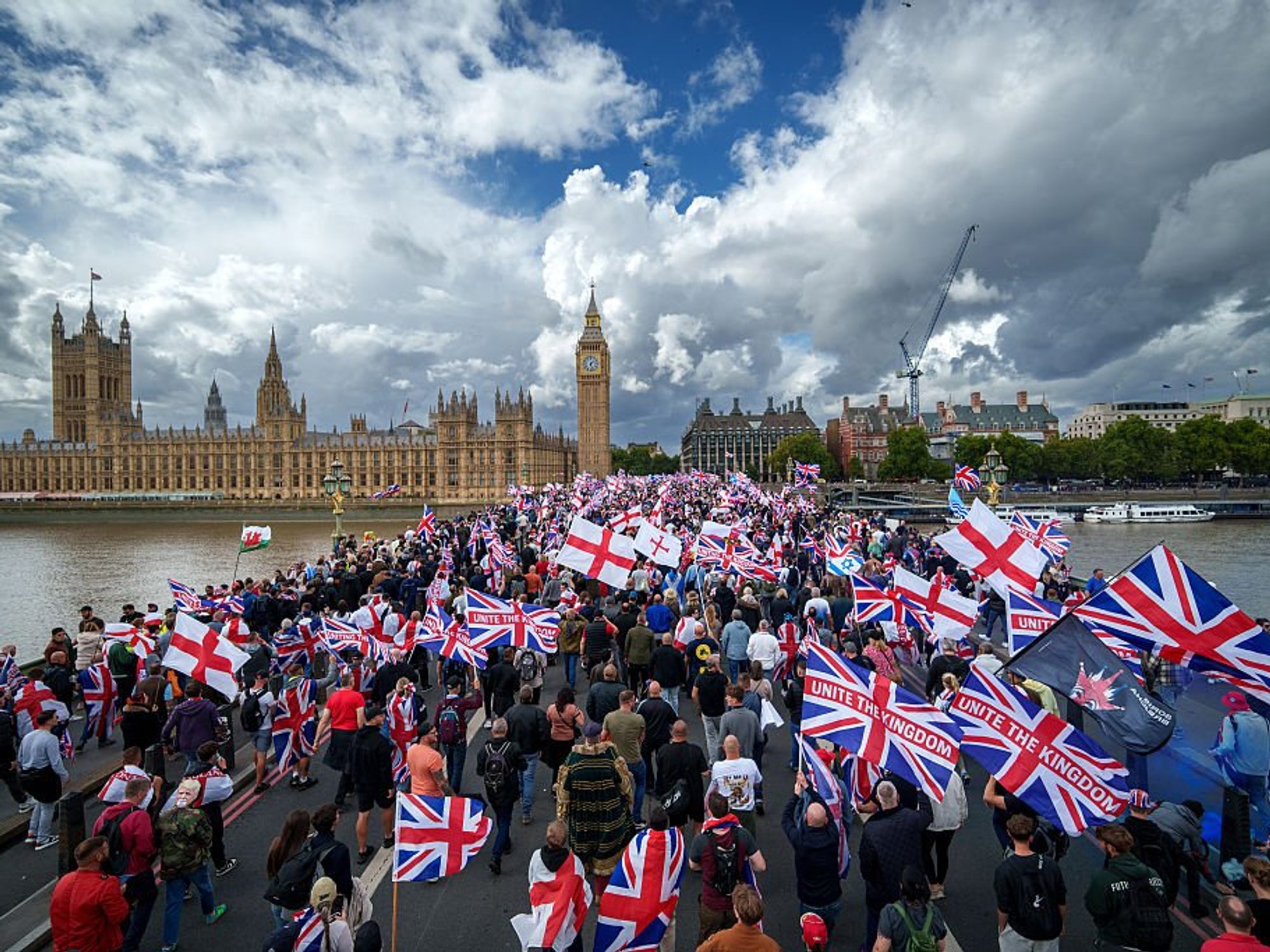





Britain's energy spending is projected to fall sharply over the next 25 years, according to new analysis published on Thursday by the National Energy System Operator (Neso).
The independent operator, which plans the country's electricity and gas networks, modelled several potential routes to achieving the 2050 net zero target.
Its findings suggest total system costs could decline from about 10 per cent of GDP today to between five and six per cent by the mid-century.
This decrease is expected even as overall energy demand rises.
Britain currently spends around £50billion each year on oil and gas imports for transport, heating and industry, a figure that is less than half the level seen in 2022, following Russia's invasion of Ukraine.
Under the scenario most closely aligned with Government goals, which features a renewable-dominated power system and the use of hydrogen across industry, total energy costs would initially rise above £350billion a year before falling to roughly £220billion by 2050.
Neso's "Falling Behind" pathway, which maintains greater reliance on oil and gas, is cheaper than the net zero pathways until about 2045, when declining fossil fuel costs make two of the greener scenarios more affordable.
The operator emphasised differences between all modelled routes are smaller than the uncertainties linked to developing technologies and future commodity prices.

Britain’s energy spending is forecast to drop sharply over the next 25 years
|GETTY
The Government has highlighted the findings as support for its current strategy for the energy transition.
A spokesman for the Department of Energy Security and Net Zero said: "The findings make clear the risks if Britain does not act and sticks with the status quo."
Ministers argue that failing to move towards clean energy would leave the UK vulnerable to global market volatility.
The departmental spokesman said: "We risk falling behind in reaping the rewards of clean energy and therefore would be stuck relying on volatile global gas markets which leave families vulnerable to higher bills in the long run."
LATEST DEVELOPMENTS:

Ed Miliband has made renewable energy rollout a primary target
| PAThe analysis does not estimate individual household energy bills, though its publication is likely to influence political debate over future energy costs.
Labour had pledged before last year's general election to reduce bills by £300, with Budget measures in November intended to deliver £150 in annual savings, though bills have since risen.
Shadow Energy Secretary, Claire Coutinho MP, said the modelling showed that "rushing to net zero is more expensive than moving at a slower pace".
The Conservative member warned of wider economic consequences if the Government continues on its current course.
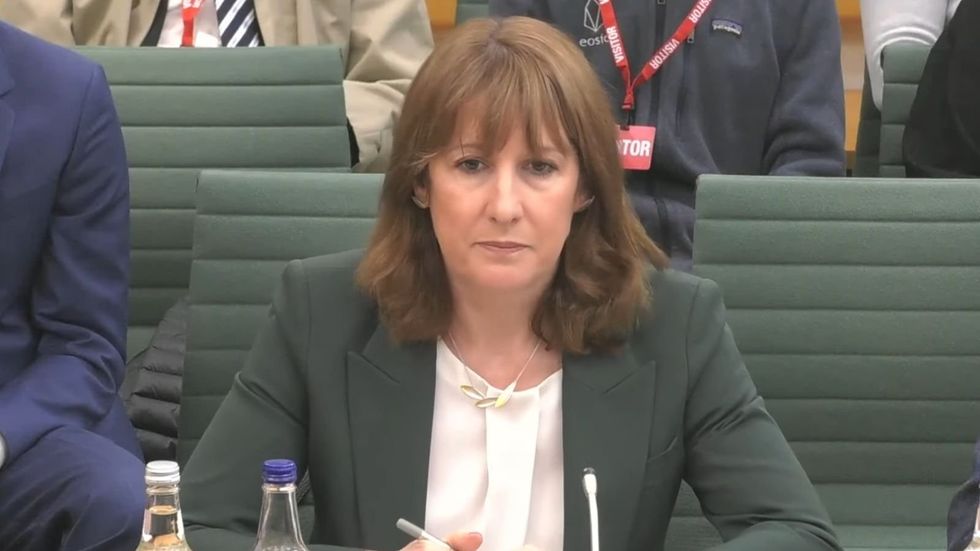
Rachel Reeves has pledged to reduce energy bills by £150
| Parliament TVShe warned that prolonged uncompetitive electricity prices would drive further deindustrialisation, hinder AI‑driven growth and depress living standards.
The Shadow Cabinet blamed Labour’s climate policies for rising household bills.
The Conservatives have pledged to scrap the Climate Change Act, which set the 2050 net‑zero target when it was introduced by a previous Tory government in 2019.
Our Standards: The GB News Editorial Charter