








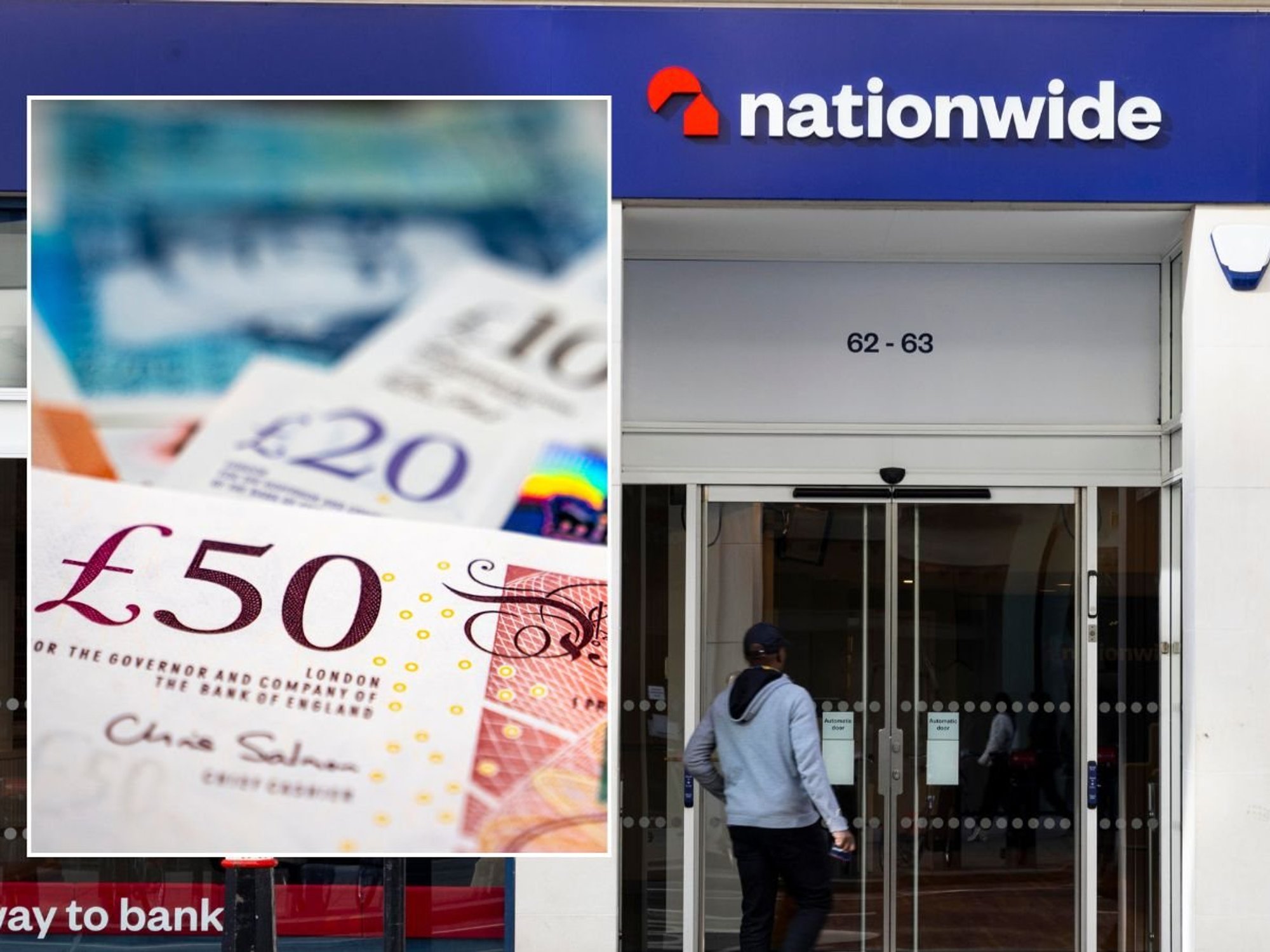

Nationwide Building Society has been fined £44million by the Financial Conduct Authority after failures were uncovered in its financial crime prevention systems.
The regulator found that the building society operated with inadequate controls for almost five years.
The period under review ran from October 2016 to July 2021.
During this time, Nationwide was aware that some personal current account holders were carrying out business activity through their accounts.
The FCA said the building society did not have appropriate measures in place to manage the financial crime risks linked to that activity.
The regulator said the weaknesses meant Nationwide was unable to identify or handle potential money laundering threats properly.
It also failed to maintain accurate risk assessments for customers who showed heightened indicators of financial crime.
The FCA said these shortcomings meant warning signs went unnoticed.
It said the control failures had serious consequences for the detection of financial crime.
The regulator concluded that Nationwide’s flawed systems and weak controls persisted for too long before remedial work began.

Nationwide has been fined £44million by the FCA over failures in its financial crime controls
|GETTY
Red flags that should have triggered investigations were also overlooked due to systemic weaknesses, the watchdog added.
The FCA highlighted the wider responsibility of financial firms.
It said building societies and banks play a central role in tackling financial crime across the UK.
Therese Chambers, joint executive director of enforcement and market oversight at the FCA, said: "Nationwide failed to get a proper grip of the financial crime risks lurking within its customer base."
She added: "It took too long to address its flawed systems and weak controls, meaning red flags were missed with serious consequences."
One case highlighted by the regulator involved a customer who used personal current accounts to receive £27.3million in fraudulent Covid furlough payments.
LATEST DEVELOPMENTS

Nationwide missed opportunities to spot a customer using personal current accounts to receive £27.3 million worth of fraudulent Covid furlough payments, the FCA said
| REUTERSThe FCA said Nationwide did not spot opportunities to detect the criminal activity.
It said this allowed the fraud to continue without intervention.
HMRC has since recovered £26.5million of the funds.
However, around £800,000 remains outstanding.
The Government’s job retention scheme, created to support workers during Covid restrictions, also became a target for fraudsters who sought to misuse it.
Nationwide’s failure to identify suspicious activity meant the fraud was not flagged at an earlier stage.
Ms Chambers said vigilance across the sector is essential.
"Building societies and banks have a key role in the fight against financial crime."
She added: "Firms must remain vigilant in this fight."
Nationwide said it regretted the shortcomings identified in the FCA’s investigation.
A spokesman said the society "cooperated fully with the FCA investigation, and we are sorry that our controls during the period fell below the high standards we expect".

Nationwide said they've made significant investments in its economic crime control framework since
| GETTY/NATIONWIDEThe spokesman added that the society has made significant investments in its economic crime control framework since 2021.
However, Nationwide insisted it has strengthened its systems to improve the detection and prevention of financial crime.
It said it does not believe the control issues resulted in financial losses for any customers.
The building society added it remains committed to protecting its members from fraud.