








Customers of all major high street banks including Barclays, Lloyds, Nationwide and Santander could be missing out on as much as £992 a year without realising it.
New figures suggest millions of savers may be unknowingly losing money through a common yet overlooked habit.
British savers are haemorrhaging nearly £1,000 annually by leaving their cash languishing in poorly performing accounts, according to new research.
A survey conducted by Opinium for Hargreaves Lansdown in October 2025 reveals that more than half of savers haven’t moved any money in the past year, a third haven’t switched in five years, and over a quarter have never switched at all.
Worryingly, 43 per cent say they don’t plan to switch in the future - even though doing nothing could be costing them hundreds every year.
Sarah Coles, head of personal finance at Hargreaves Lansdown said: "Savings inertia is particularly dangerous at times like this, when rates are dropping, and high street branch accounts have fallen so far behind inflation.
"Unfortunately, inertia can be even more powerful in this environment, because people assume rate cuts are the same across the board, so they don’t bother switching."
 Savers looking to secure a guaranteed return on their cash may want to act quickly | GETTY
She added: "The risk is that this cash is still sitting in high street savings accounts, paying an average of 1.15% - some are paying just one per cent."
With inflation running at 3.6 per cent, the purchasing power of these savings erodes with each passing month.
The disparity between high street and competitive rates has widened substantially.
Major banks including Barclays, Lloyds, HSBC, NatWest, Nationwide, Santander, Halifax, Bank of Scotland, Royal Bank of Scotland and TSB are offering an average of just 1.15 per cent on easy access accounts.
Meanwhile, the most competitive providers are paying 4.5 per cent on easy access savings.
For someone with £20,000 in savings, this gap translates to a loss of £688 each year - the difference between earning £231 and £919 in interest.
The impact is even more pronounced for wealthier households.
The top 20 per cent of earners hold an average of £29,898 in savings, according to the HL Savings & Resilience Barometer 2025.
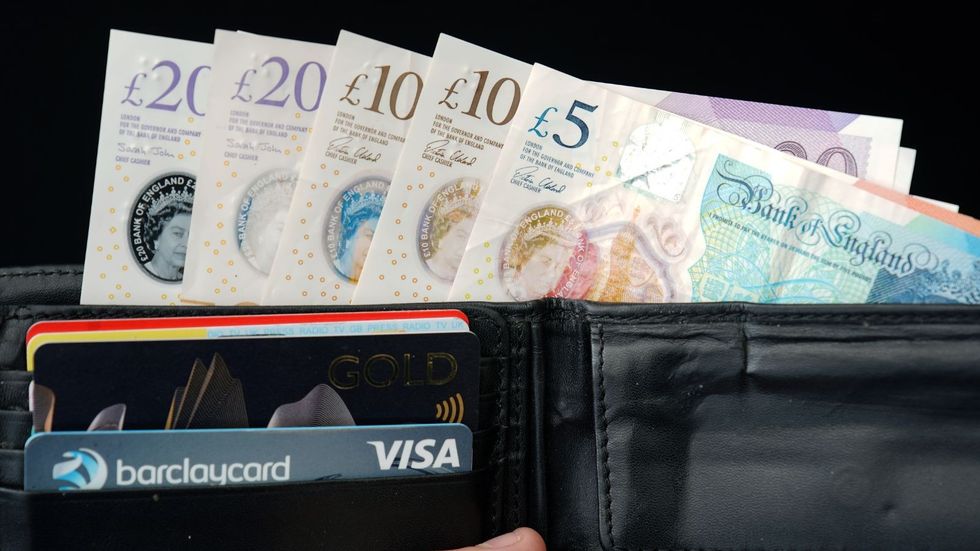
Sticking with high street rates could mean forgoing £992 annually
| PAFor them, sticking with high street rates means forgoing £992 annually.
Ms Coles advises savers to categorise their money according to when they will need it, rather than viewing it as a single sum.
Those of working age should maintain three to six months of essential expenses in an easily accessible account or cash ISA, while retirees ought to keep one to three years' worth available.

The best deals typically come from online banks and savings platforms
| GETTYAny funds earmarked for specific purposes within the next five years—whether holidays or home improvements—should be placed in fixed rate accounts matched to the appropriate timeframe.
The best deals typically come from online banks and savings platforms.
For those who find managing multiple accounts overwhelming, savings platforms offer a simpler way to compare rates and switch providers without repeated paperwork.