







A West London pizza dough supplier has collapsed into administration with debts of approximately £1.5million after spending more than three decades serving restaurants and food service businesses across the UK.
Millennium Dough Company, established in 1992, has ceased trading after 34 years of producing wholesale artisan frozen pizza dough from its base in Greenford.
Documents filed with Companies House show the business now owes creditors around £1.5million.
Joint administrators Nicholas Charles Simmonds and Chris Newell of Quantuma Advisory Limited were appointed on June 8 to take control of the company and assess its future.
Operating from Taunton Road in Greenford, Millennium Dough Company built its business around traditional dough-making methods and supplied restaurants and food service operators throughout the country.
The company had developed a reputation within the industry for its focus on artisan production techniques and product development tailored to hospitality businesses.
Industry website Best Food Importers previously praised the business for its commitment to quality ingredients and traditional baking methods.
The website said: "Their expertise lies in long fermentation, craft flavours, and new product development, catering to the unique needs of restaurants and food service companies."
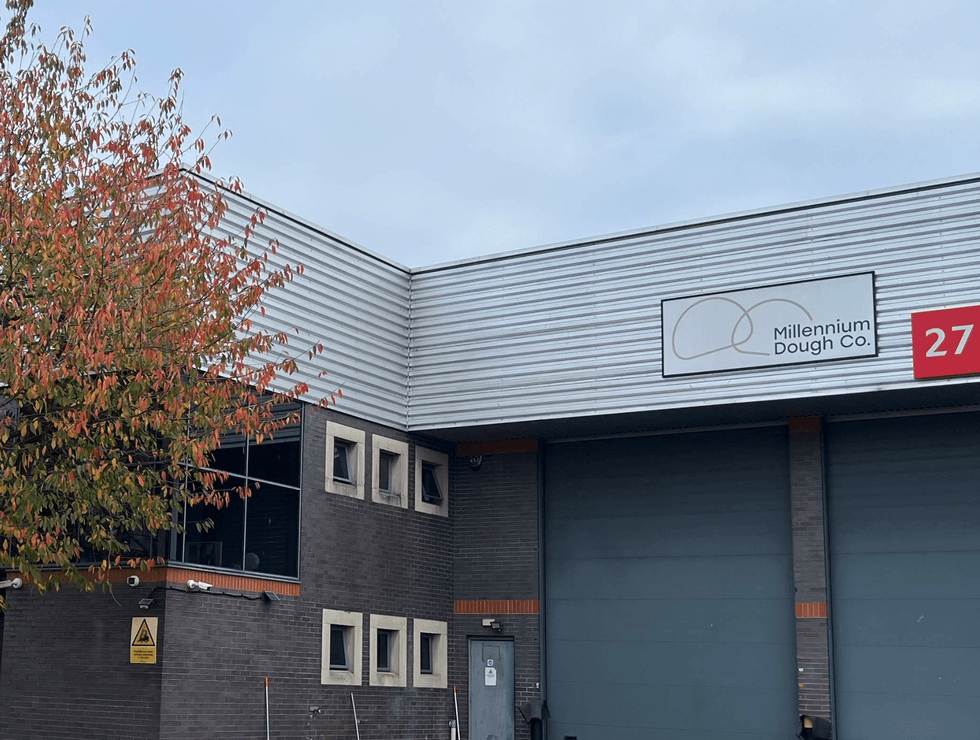
West London pizza dough supplier collapses with millions in debt
|MILLENNIUM DOUGH COMPANY/GOOGLE
The company traded for many years as Millennium Food Service before rebranding as Millennium Dough Company in 2022.
The business also attracted positive feedback from customers, with Google reviewers awarding it a five-star rating and several praising the staff who worked at the company.
Despite its established position within the sector and positive reputation among customers, the company has now entered administration as insolvency specialists review its financial position.
Administrators will assess whether the business can be rescued as a going concern or whether creditors would achieve a better outcome through an alternative insolvency process.
LATEST DEVELOPMENTS:
For the year ending October 2024, Millennium Dough Company owed creditors £1.5million — up from £751,052 the previous year.
The filings confirm that the company’s creditor obligations more than doubled over the 12‑month period.
The increase came despite the business reporting turnover of £1.7million during the same financial year.
Administrators have now taken control of the company and will determine the most appropriate course of action for creditors as the process continues.

Financial accounts filed by the company show a sharp rise in liabilities over the past year
|GETTY
As part of the administration process, the business could continue operating while its finances are reviewed if doing so is judged to be in the best interests of creditors.
However, trading activity could be halted if administrators conclude that continuing operations would increase losses or reduce returns for those owed money.
The collapse of Millennium Dough Company comes against a backdrop of mounting financial pressure across the UK's hospitality and catering sectors.
Research from insolvency specialist BTG found that the number of businesses facing critical financial distress rose by 36.9 per cent during the first three months of 2026 compared with the same period a year earlier.
According to the research, 62,193 companies were identified as being in critical financial distress during the opening quarter of the year.
Hospitality and leisure operators were among the sectors most heavily affected.
BTG found that the number of hotel and accommodation businesses facing critical financial difficulties increased by 69.3 per cent year-on-year.
Ric Traynor, executive chair of BTG, pointed to rising taxes and increasing energy costs as significant challenges facing businesses.
He warned: "The situation could get worse very quickly for these vulnerable businesses."
Companies operating within the food manufacturing, catering and hospitality sectors continue to face pressure from fluctuating ingredient costs, higher utility bills and increasing commercial property expenses, all of which have added to financial strains across the industry.