









Middle-income families across Britain will be £480 worse off this year as the Iran conflict drives up fuel and energy costs, according to new analysis from the Resolution Foundation.
The think-tank found working-age households on average incomes had been expected to see a 0.9 per cent improvement in living standards before hostilities began.
Instead, their purchasing power is now forecast to fall by 0.6 per cent as rising oil and gas prices feed through to petrol pumps and household bills.
James Smith, chief economist at the Resolution Foundation, said: "The path of this conflict remains uncertain and energy prices remain well above pre-war levels, meaning many households face a decline in their purchasing power this year."
TRENDING
Stories
Videos
Your Say
He added: "Damage to household finances this year is to a large degree already done."
While middle earners face declining incomes, the lowest-income fifth of households are expected to see their finances improve by 1.2 per cent on average.
This is largely due to the Government’s decision to raise benefits above the rate of inflation.
Universal Credit recipients saw their standard allowance increase by approximately 6.2 per cent from April 6, outpacing price rises.

The Resolution Foundation says middle-income Britons will see living standards fall amid benefit increases
|GETTY
State pension payments rose by 4.8 per cent under the triple lock, while other benefits including PIP, Disability Living Allowance, attendance allowance and carer’s allowance increased by 3.8 per cent in line with September’s inflation figure.
Larger families are expected to benefit most from recent policy changes.
Those in the bottom half of earners with three or more children are forecast to see income growth of 7.7 per cent following the removal of the two-child benefits cap, even after accounting for the higher costs associated with larger households.
The Resolution Foundation’s projections are based on several key assumptions about energy markets.
LATEST DEVELOPMENTS
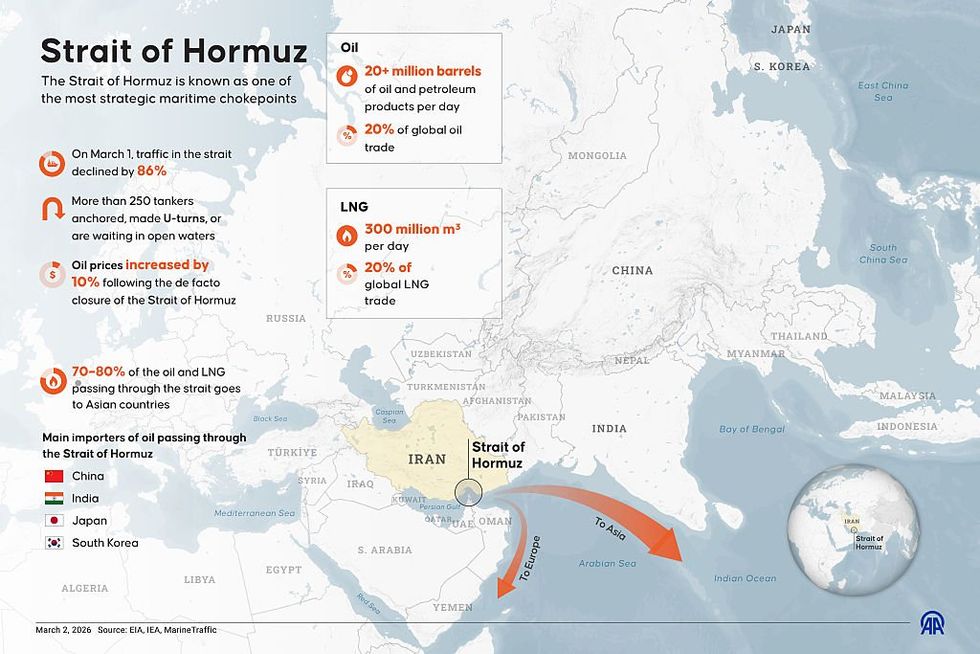 The Strait of Hormuz is one of the most important shipping routes in the world, especially for oil exports | GETTY
Cornwall Insight recently forecast Ofgem will raise the household energy price cap to £1,929 later this year.
The analysis also assumes petrol prices of £1.50 per litre and diesel at £1.80, consistent with Brent crude trading at $100 a barrel.
Oil markets remain volatile following the collapse of diplomatic efforts over the weekend.
Brent crude had fallen to $95 last week after Washington and Tehran agreed to a two-week ceasefire, but the breakdown of subsequent negotiations has raised the prospect of further price increases.
The analysis does not account for rising housing costs, despite mortgage rates increasing since the conflict began.
Chancellor Rachel Reeves acknowledged higher prices were already affecting households, stating that supporting families remains a priority.
She wrote in The Sunday Times: "We are taking action to keep costs down for families and provide support for those who need it most."
A Treasury spokesman said Britain had not joined the Middle East conflict and that de-escalation alongside support for households remained the focus.

Energy prices have soared, with experts citing Britain's exposure to global energy prices
|GETTY
Labour pointed to several measures aimed at easing the burden on consumers.
These include a £117 reduction in the energy price cap, an extension of the 5p fuel duty cut, support for households using heating oil, and freezes on rail fares and prescription charges.
The RAC said pump prices have risen for 40 consecutive days since the conflict began.
Our Standards: The GB News Editorial Charter