







Martin Lewis has urged people claiming Department for Work and Pensions (DWP) benefits to review their savings accounts after warning some households could be missing out on thousands of pounds in interest.
The consumer champion issued the advice during his BBC podcast after a married couple in their 50s asked for guidance about tax on their savings income.
The couple explained that their only income comes from Employment and Support Allowance Support Group payments alongside Carer’s Allowance.
They also revealed they had savings totalling £150,000 but were earning only £2,300 in annual interest.
Mr Lewis told listeners he believed the couple were focusing on the wrong issue because the amount of interest being generated by their savings was too low.
He said: "That's just not enough interest. There are lots of savings accounts paying you over four per cent, some at 4.5 per cent."
He explained that moving £150,000 into an account paying four per cent interest would generate £6,000 over a year.
That would represent an increase of £2,700 compared with the couple’s existing annual return.
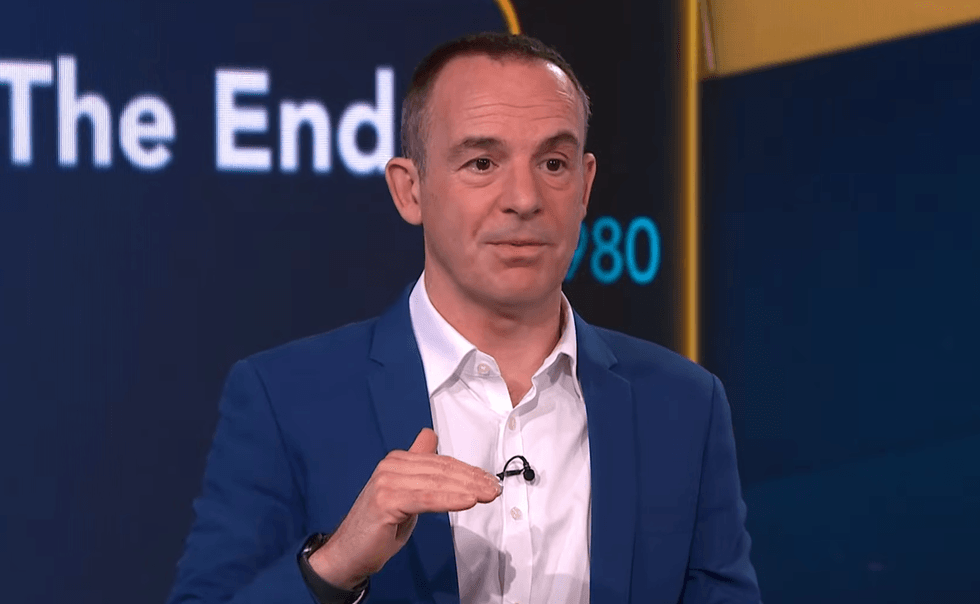
Martin Lewis urges ESA and Carer’s Allowance claimants to switch savings accounts
|MARTIN LEWIS/YOUTUBE
At a rate of 4.5 per cent, the same savings balance would generate £6,750 in yearly interest.
Mr Lewis said the couple could potentially earn close to £5,000 more each year simply by moving their money into a more competitive account.
He said: "The most important start point is you that you should be in savings accounts that pay more."
The financial expert stressed that maximising returns on savings could be especially important for households relying on benefits because of health conditions or caring responsibilities.
Mr Lewis said: "I suspect life is quite difficult, because I know that Employment and Support Allowance is a benefit for people who have a disability or health condition that limits your ability to work.
LATEST DEVELOPMENTS

Mr Lewis recommended that savers consider using ISAs as part of a tax-efficient strategy
| GETTY"So it's really important that you make those savings work as best as they possibly can for you."
Individuals are currently allowed to place up to £20,000 each year into ISA products, including cash ISAs and stocks and shares ISAs.
He also highlighted easy access savings accounts, noting that some are currently paying rates as high as 4.5 per cent while many others offer returns above four per cent.
Addressing the couple’s concerns over tax, Mr Lewis explained that their combined annual income from ESA and Carer’s Allowance would likely remain below the personal allowance threshold.
He estimated the couple’s weekly income at around £220 to £230, equivalent to approximately £11,440 to £11,960 annually.
That figure sits below the current personal allowance of £12,570, meaning they would not pay income tax on earnings including savings interest.
Mr Lewis also pointed out that savers can benefit from the starting rate for savings, which provides an additional tax-free allowance specifically for interest income.
The starting rate currently allows people to earn up to £5,000 in savings interest tax-free on top of the personal allowance.
However, the allowance reduces by £1 for every £1 earned above the personal allowance threshold and disappears entirely once income reaches £17,570.
Basic rate taxpayers can also earn up to £1,000 in savings interest each year without paying tax under the personal savings allowance rules.