








Millions of households across Britain are facing higher energy bills from July 1 after the energy price cap was confirmed to rise by 13 per cent.
Gas prices are expected to see the largest increase, rising by 24 per cent under the latest changes.
For a typical household using gas and electricity and paying by direct debit, annual energy costs will increase to £1,862.
The rise represents an increase of £221 compared with current levels and is expected to add around £18 per month to household bills.
Early forecasts have also suggested prices could rise further when the next price cap is announced in October.
Money Saving Expert founder Martin Lewis has urged households to review their current tariffs rather than remain on standard variable deals covered by the energy price cap.
Mr Lewis has repeatedly encouraged consumers to compare fixed tariffs which could offer protection against future price increases.
Speaking about the energy price cap, Mr Lewis described it as the "pants cap" and warned households against remaining on default tariffs without reviewing alternatives.
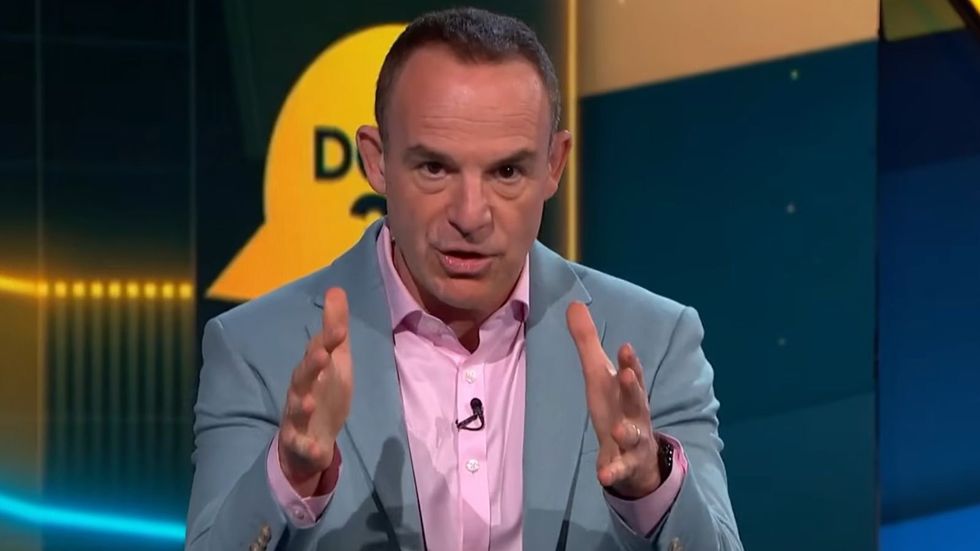
Martin Lewis has warned households as energy bills rise by 13 per cent from July
|MARTIN LEWIS
Mr Lewis said the cheapest fixed deals vary depending on location and household energy usage, meaning consumers should carry out detailed comparisons before switching suppliers.
He also advised households to use comparison websites covering the entire market rather than platforms displaying only sponsored suppliers.
Mr Lewis recommends his own Cheap Energy Club comparison service because it lists all available deals rather than limiting results to paying providers.
He said: "And remember that when you do a comparison, remember that the savings you're given on the cheapest fix are compared to the current price cap."
LATEST DEVELOPMENTS
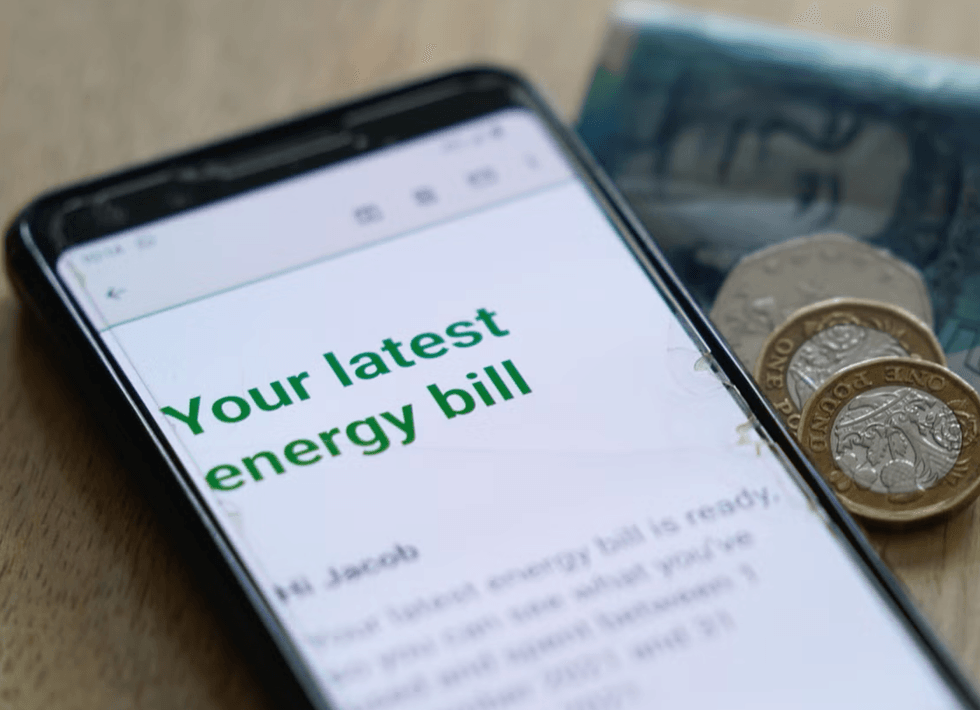
Consumer group Which? has also issued guidance for households searching for cheaper tariffs ahead of the July increase
|GETTY
The organisation advised consumers to focus on tariffs offering lower unit rates than the current price cap rather than relying solely on headline savings figures.
Which? also recommended avoiding contracts lasting longer than 12 months and steering clear of tariffs carrying high exit fees.
Comparison website Uswitch said households could currently secure fixed deals costing around £250 less than the upcoming July cap for a typical home.
The company warned customers remaining on standard variable tariffs that their bills would increase unless they switched to alternative deals.
Energy experts have also highlighted several practical measures households can take to reduce overall energy usage.
Some suppliers offer schemes providing free electricity during selected periods, including British Gas’s PeakSave initiative and E.on’s Pledge tariff.
Households with combi boilers may also reduce energy usage by lowering the boiler flow temperature to 60C or below.
Other commonly recommended measures include lowering thermostat settings, using washing machines during off-peak periods, switching appliances off standby mode and using air fryers instead of conventional ovens where possible.
Consumers without smart meters have also been advised to provide regular meter readings to suppliers to avoid estimated bills and inaccurate direct debit payments.
Our Standards: The GB News Editorial Charter