









Labour has unveiled sweeping changes to England’s Council Tax system, introducing reforms aimed at easing pressure on households struggling with debt collection practices.
Ministers confirmed the measures will take effect from April 2027 following an 18-month campaign led by Martin Lewis and his organisations, MoneySavingExpert.com and the money and mental health policy institute.
Mr Lewis said: "Council Tax debt collection is so aggressive it'd make banks blush."
He added: "It's the most vicious and damaging form of legal debt collection out there causing counterproductive misery for millions."
TRENDING
Stories
Videos
Your Say
Responding to the announcement, he said he was “genuinely moved by this huge first step towards making things better.”
Under the current system, households who miss a single monthly council tax payment receive a reminder after 14 days and can then face a demand for the full annual bill just seven days later.
Under the new rules, that window will be extended to 63 days, giving families more time to recover missed payments and stabilise their finances.
“How people who can’t find a month’s money are expected to find a year’s I don’t know,” Mr Lewis said.

Labour caps fees and extends repayment deadlines after Martin Lewis campaign
|GETTY/LBC
Local authorities will also be required to work with residents to agree “sustainable” repayment plans rather than escalating enforcement action quickly.
Administrative fees applied through liability orders will be capped at £100 from April 2027.
Councils currently charge varying amounts, with some fees reaching £153. Liability orders allow councils to pursue stronger recovery measures, including the use of enforcement agents.
Council tax debt has risen sharply in recent years.
LATEST DEVELOPMENTS
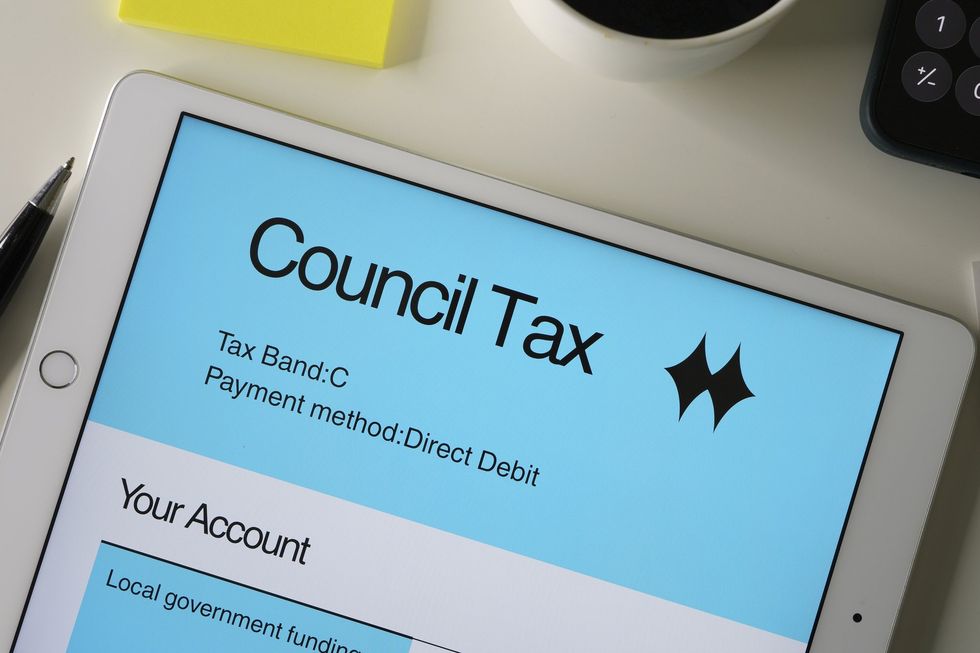
A standardised application form will be introduced across all English councils to replace the current patchwork of processes
|GETTY
The Money Advice Trust reported 1.7 million debts were referred to bailiffs in 2024–25, a 13 per cent increase on the previous year. Debt Justice estimates 4.4 million people are currently behind on their council tax.
Changes will also be made to the discount currently known as Severe Mental Impairment. From April 2027, it will be renamed Significant Cognitive Impairment, aligning terminology with Wales.
The discount can reduce a household’s bill by at least 25 per cent, and in some cases remove it entirely.
Eligibility includes conditions such as dementia, Alzheimer’s disease, profound learning disabilities and severe brain injuries.
Mr Lewis said the existing system is “cumbersome, misunderstood and under‑publicised.”
Billing arrangements will also change, with council tax moving from a default of 10 monthly instalments to 12, though households can still opt for a shorter schedule.
Mr Lewis said it was “a shame” there had been no update on reforming the six‑month rule for challenging council tax bands, adding that the issue was “not off the table” but delayed.
Research from the Money and Mental Health Policy Institute shows the burden of council tax debt falls disproportionately on people with mental health conditions.
Around one in ten are behind on payments, compared with four per cent of those without such conditions.