









British households could be nearly £3,500 better off over the next decade by making smarter use of banking apps, according to new research.
New tools could help families cut costs, avoid unnecessary charges and better manage their finances day to day.
A study commissioned by Lloyds Banking Group found that features such as spending alerts, mortgage reminders and debt tracking could deliver up to £100 billion in combined value for UK households by 2036.
The findings indicate that simple digital prompts helping people avoid overdrafts, switch to cheaper deals and spot financial risks early could make a significant difference to everyday budgets.
Lower-income families stand to gain substantially too, with the research suggesting this group could benefit from as much as £31billion collectively.
The research highlights mortgages as a key area where digital assistance could prove particularly valuable.
According to the modelling, homeowners who switch at the optimal moment could save approximately £1,600 annually, with larger loans offering even greater potential reductions.
Digital prompts, eligibility checks and pre-approval features could make securing better rates far less hassle, the study suggests.

Lloyds Bank issues savings update as customers could be £3,500 better off
| GETTY / LLOYDSSavings represent another major opportunity. The research estimates that between £430billion and £610billion currently sits in accounts beyond what people need for emergencies.
If just 15 per cent of this surplus were gradually moved into balanced investment products, the resulting returns and compounding could generate around £40billion in additional value over ten years.
Debt management and access to appropriate credit products offer the most meaningful gains for those on lower incomes, the study found.
Better bill tracking and early warning systems could help these households avoid unexpected financial shocks.
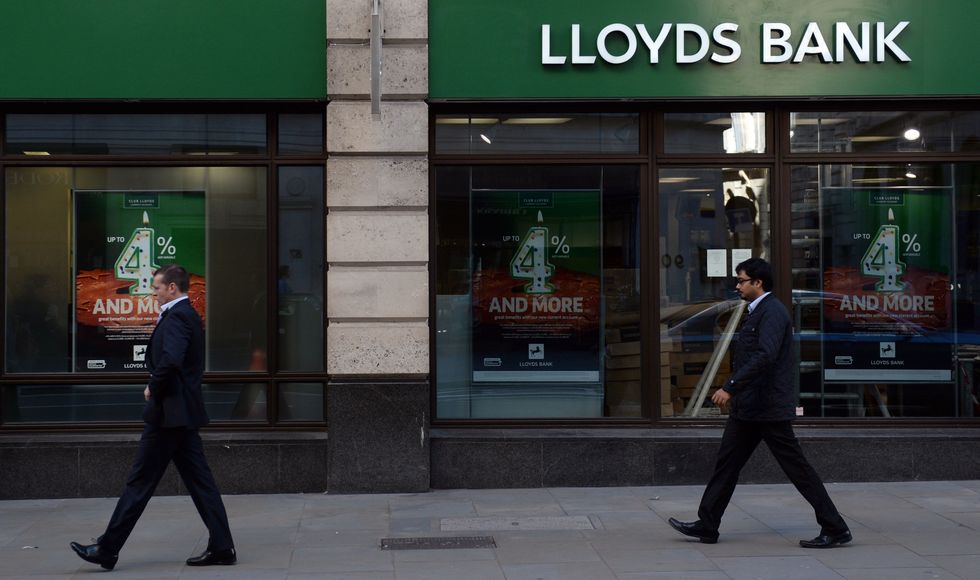
Lloyds Bank figures show more than four in ten see no clear route to improving their situation
| PAThe research also reveals a significant confidence gap among the British public. Just half of adults currently feel they have proper control over their finances, while more than four in ten see no clear route to improving their situation.
However, there is appetite for change. Some 57 per cent of people believe that improved digital tools, information or guidance would help them manage their money more effectively day to day.
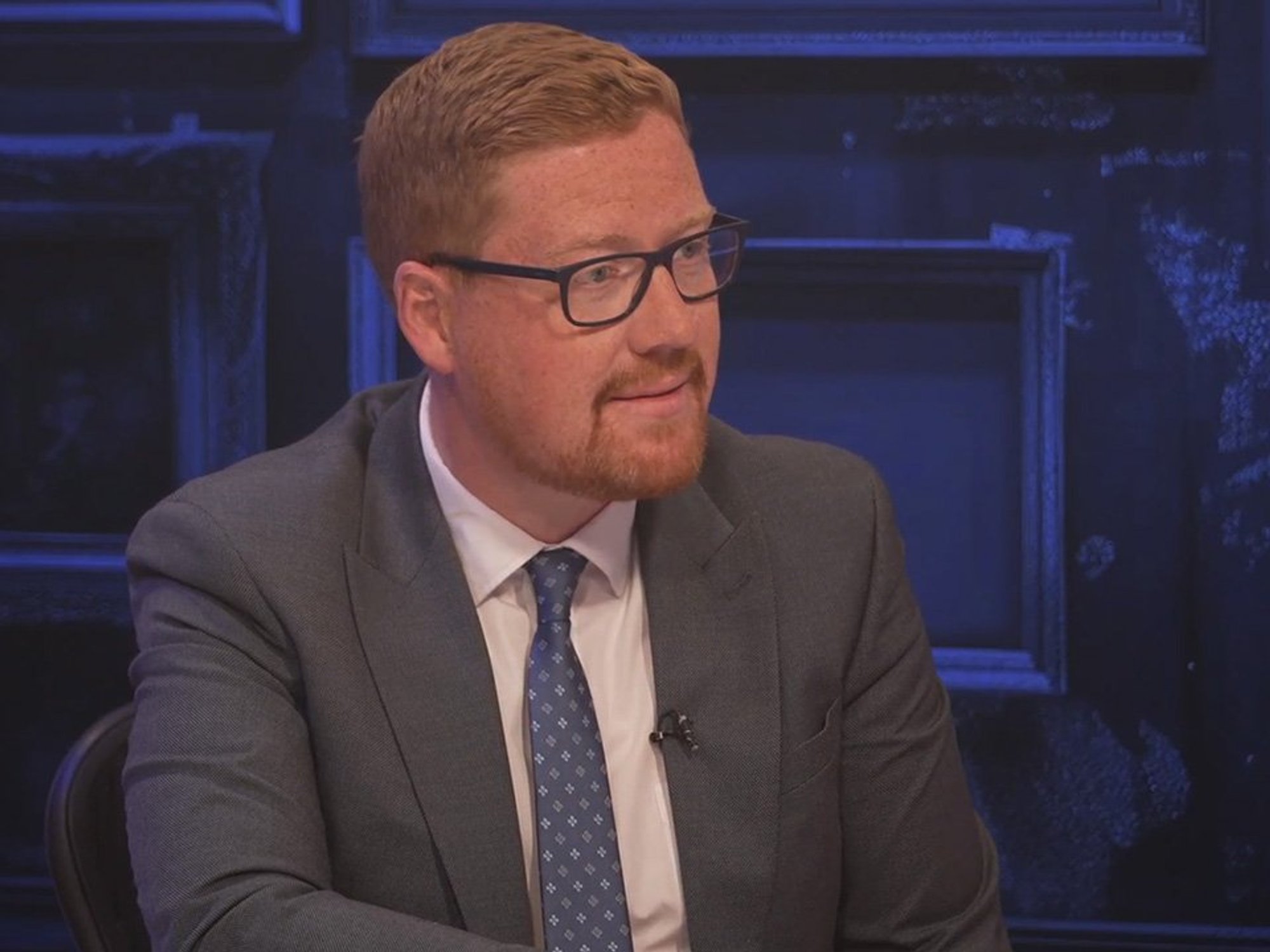
Jas Singh, CEO Consumer Relationships at Lloyds Banking Group, said: "The modelling shows that accelerating the digital transformation of financial services could unlock up to £100billion of value over the next decade around £3,500 per household.

This value won't appear overnight it will build through steady progress as tools become smarter
| GETTY"That underlines the huge potential of digitally enabled financial empowerment: giving people the confidence, tools and knowledge to take control of their money and improve their financial wellbeing over time.
"Realising that potential will require collective action across sectors to ensure digital tools are accessible, inclusive and genuinely useful for everyone."
Professor John Gathergood, who led the research at the University of Nottingham, said: "This value won't appear overnight it will build through steady progress as tools become smarter, more personalised and more widely used in everyday life."