








Wealth managers are warning that as much as £100billion could leave Britain amid growing fears Labour leadership contenders could pursue punitive taxes on wealthy individuals.
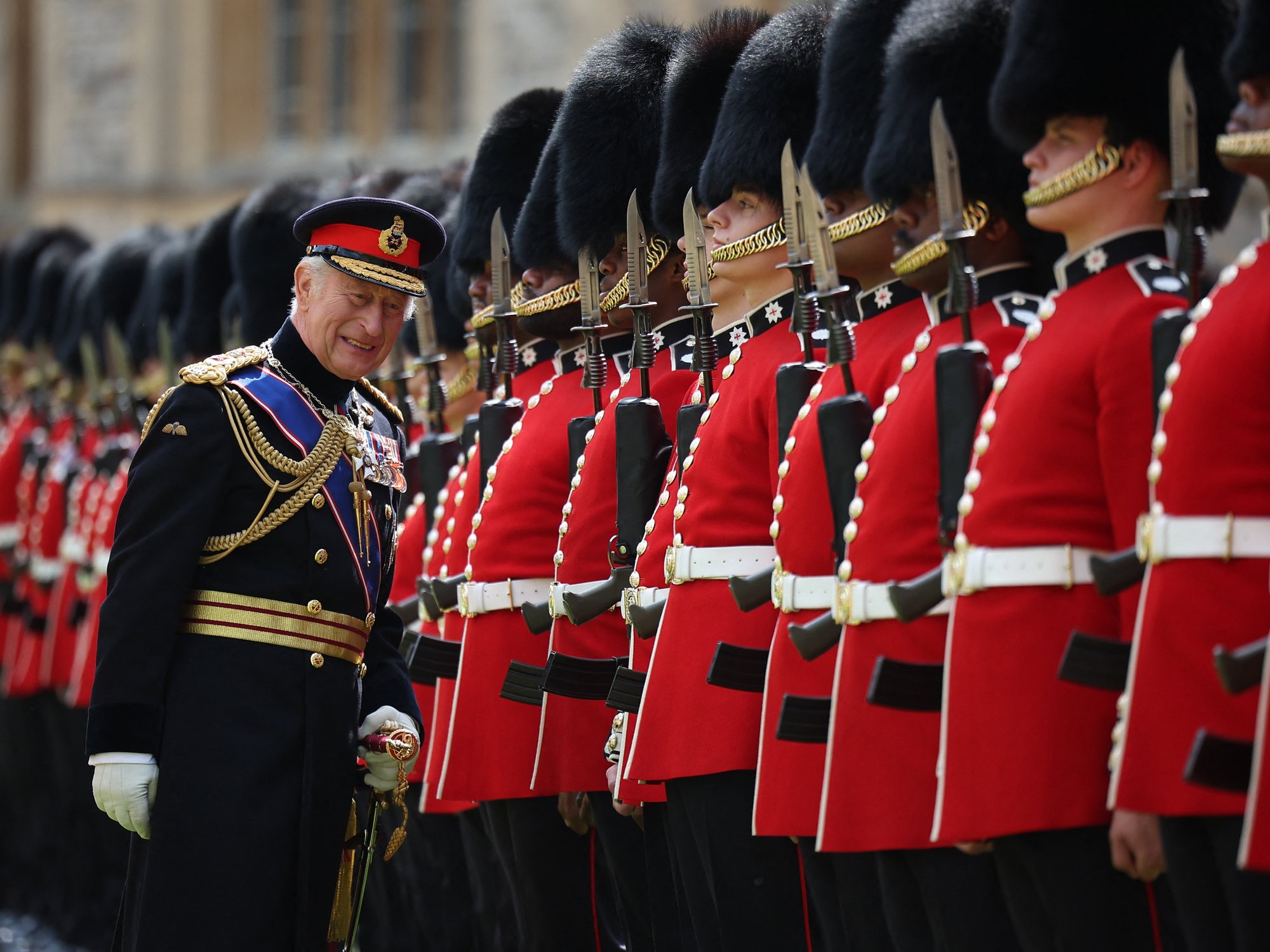
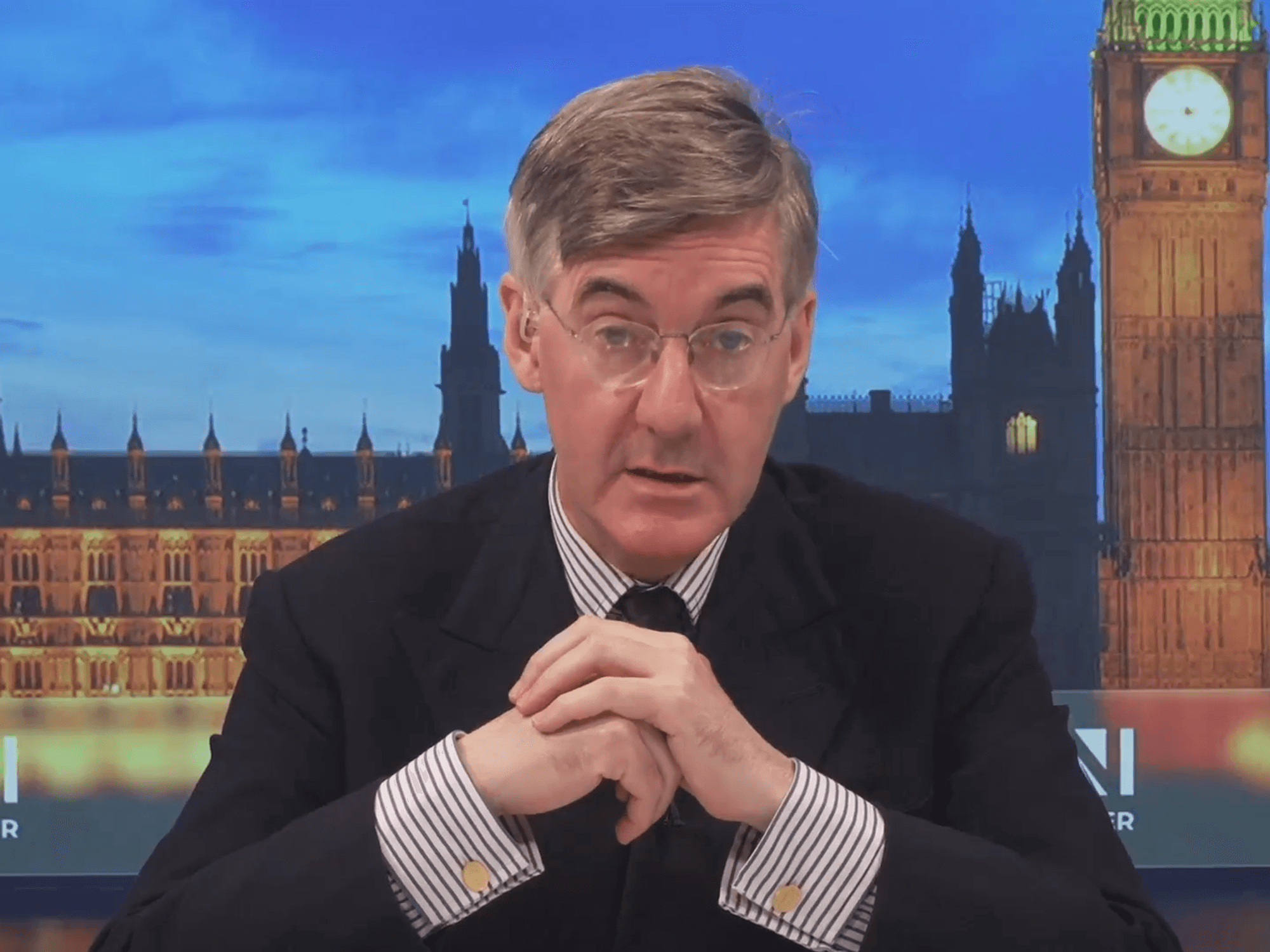
The contest to challenge Sir Keir Starmer has intensified in recent weeks, with both Wes Streeting and Andy Burnham signalling support for tougher taxation on the affluent.
Investment firm Rathbones estimated that approximately £100billion in assets could leave the UK should a wealth tax be introduced.
It draws comparisons with similar policies implemented in countries including Spain, Norway and Switzerland.
Mark Bibby, an investment manager at Rathbones, said: "For economically mobile high net worth individuals with ties to multiple countries, the introduction of an additional tax in the form of a wealth tax could well be the straw that breaks the camel's back, spurring them to leave the UK."
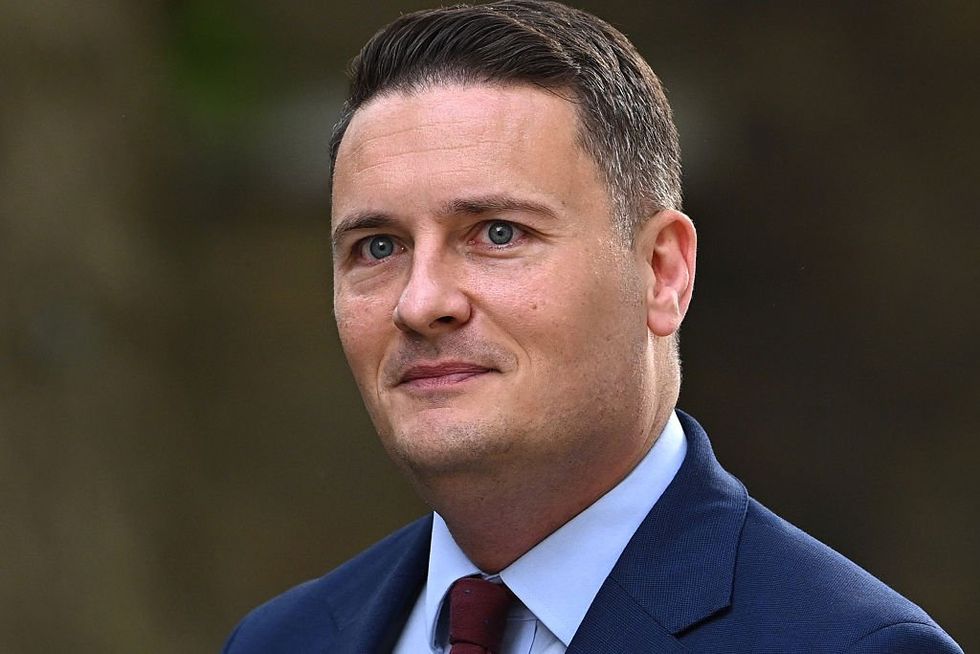
Mr Streeting, who stepped down as Health Secretary in May, has outlined proposals for what he described as "a wealth tax that works" if he were to become Prime Minister.
His proposals include aligning capital gains tax rates with income tax rates, which he suggested could raise as much as £12billion annually for the Treasury.
Mr Burnham has also indicated support for increasing taxes on Britain’s wealthiest individuals, advocating higher levies on both assets and accumulated wealth.
The positioning of both candidates is widely viewed as an attempt to appeal to Labour’s left wing, though wealth managers warned the rhetoric is already unsettling affluent clients.

Labour wealth tax fears could see £100billion leave UK, wealth managers warn
|GETTY
Neither contender has distanced themselves from the prospect of further tax rises targeted at wealthy households.
Financial advisers reported an increase in enquiries from clients concerned about whether Britain remains the right location for their investments and long-term financial planning.
Jason Hollands, managing director at Evelyn Partners, said: "Growing speculation about a potential leadership challenge to Sir Keir Starmer is inevitably fuelling debate about further tax rises."
He added: "Most of the figures discussed as possible successors appear keen to appeal to advocates of wealth taxation."
LATEST DEVELOPMENTS
Wealth advisers pointed to international examples as evidence of the risks associated with broad wealth taxes
|GETTY
Ian Cook, a chartered financial planner at Quilter Cheviot, said client discussions were "increasingly moving beyond expected changes to capital gains tax towards the possibility of a broader wealth tax".
Mr Cook said some wealthy individuals were now questioning whether maintaining long-term tax residency in Britain continued to make financial sense.
David Goodfellow, senior wealth planning director at Canaccord Wealth, said the prospect of a mid-term change in prime minister created "the threat of a wealth tax again".
Mr Cook said: "Across the OECD, most countries have abandoned broad wealth taxes over time, often because they generated relatively little income, were complex to administer, and in some cases contributed to capital leaving the country."
Britain’s public finances have also intensified scrutiny over possible future tax rises.
Government borrowing reached £24.3billion in April, exceeding the Office for Budget Responsibility’s (OBR) forecast of £20.9billion.
Pressure on the public finances has increased since conflict erupted in the Middle East in February, contributing to higher Government borrowing costs.
Wealthy households are also already facing significant inheritance tax reforms announced across the past two Budgets, including plans to bring unused pension pots into estates for inheritance tax purposes.