








A carbon tax on electricity generated from fossil fuels is “not fit for purpose” and will be axed, the Government has announced.
The Carbon Price Support (CPS) levy was introduced in 2013 to help drive coal-fired power off the grid.
But, as energy prices soar, the Government has announced it will be scrapped in 2028. A second carbon tax on industry –the UK Emissions Trading Scheme (ETS) – remains.
The CPS, which is charged at £18 per tonne of carbon, is levied on top of ETS. It is aimed only at electricity generation.
TRENDING
Stories
Videos
Your Say
The UK ETS is intended to limit the amount of carbon that can be emitted each year by the heavy industry, power and aviation sectors.
It sets a cap, or limit, on emissions, with companies paying more if they breach these limits. Permits are currently trading for around £49 per tonne.
Coal was removed from the UK energy mix in 2024, with the closure of the Ratcliffe-on-Soar plant in Nottinghamshire.
Exchequer Secretary to the Treasury, Dan Tomlinson, said that, with coal gone, CPS was no longer required.
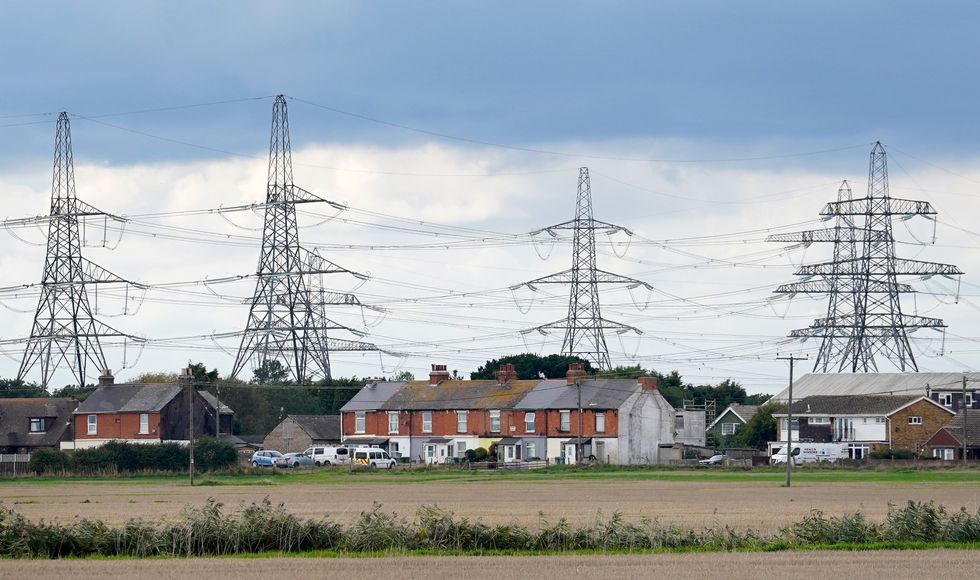
A carbon tax on electricity generated from fossil fuels is 'not fit for purpose', the Government said
| PAETS alone was sufficient to encourage decarbonisation, he explained. He said: “I am today confirming to the House that Carbon Price Support (CPS) will be removed from April 2028.
“CPS is a tax on fossil fuels used in electricity generation, introduced in 2013 by a previous government to strengthen the carbon price for electricity generation above the price provided by the Emissions Trading Scheme.
“CPS has done its job and is no longer fit for purpose.
“Coal has been driven off the grid and the ETS has matured, with a tighter cap to drive the signal for electricity generators to decarbonise, so now is the right time to simplify the tax and carbon pricing system.
LATEST DEVELOPMENTS
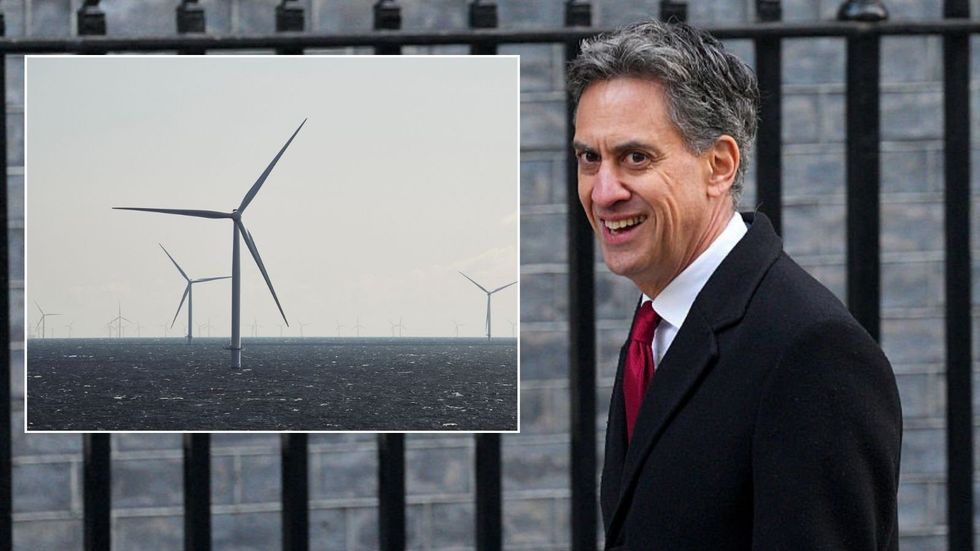 Ed Miliband has been criticised for hiking people's energy bills | GETTY
“With our Clean Power 2030 mission, we are already reducing our electricity system’s reliance on volatile fossil fuels and we no longer need this additional tax to provide incentives in the system to decarbonise our grid.”
The move follows an announcement that an industrial electricity subsidy scheme would be expanded from 7,000 manufacturers to 10,000.
The British Industrial Competitiveness Scheme cuts bills by up to 25 per cent by exempting eligible firms from three green levies.
Mr Tomlinson said that today’s announcement would see these bills further reduced. He said: “CPS removal will also help to offset costs to all billpayers of the British Industrial Competitiveness Scheme (BICS) which will reduce electricity bills for manufacturing sectors in the Industrial Strategy.”
Tom Cantillon, Senior Analyst at the Energy and Climate Intelligence Unit (ECIU), said that the CPS had done its job in forcing coal from UK power, He said: "The Carbon Price Support has been a quiet success story of UK carbon pricing, driving coal from generating nearly 40 per cent of UK electricity generation to zero in a little over ten years.”
INEOS boss, Sir Jim Ratclife, previously labelled carbon taxation as “the most idiotic tax in the world”.
Kemi Badenoch has said that her Tory party will scrap all carbon levies for industry, including the ETS. “We all want to leave a better environment for the next generation, but it is madness to pursue that goal by killing British industry and fatally weakening our national resilience,” she said, on announcing her plans earlier this month.