









The economic fallout from the war in Iran will be felt on the high street for years, analysts fear.
Even if it were to end tomorrow, the conflict will have a “long tail”, with repercussions for everything from interest rates to the price of food, said Susannah Streeter, Chief Investment Strategist at Wealth Club. Energy prices are the most visible sign of the crisis.
Average domestic energy bills are forecast to rise by almost £300 from July while motorists are already counting the cost of the war, with drivers paying £544 million extra for fuel since the US-Israeli bombing campaign began. The last reported shipment of jet fuel to the UK from the Middle East is due to arrive this week.
This had led to concerns about shortages. But the impact of the war is now being felt beyond energy.
TRENDING
Stories
Videos
Your Say
The head of NHS England, Sir Jim Mackey, has said health bosses were “really worried” about supplies, with deliveries affected by Iran’s blockade of the Strait of Hormuz or by being rerouted. These include syringes, gloves and intravenous bags.
Ms Streeter said the nation should brace itself for more shortages. “I don't think that we've seen the worst of it yet, for sure,” she said.
She said food prices were likely to rise, with a shortage of fertiliser driving up costs and hitting the price of next year’s harvest. About one-third of the world’s fertilisers pass through the strait and the stoppage comes as countries including the UK are entering planting season.
Ms Streeter explained: “Look at the amount that farmers are having to pay now for fertiliser. They are already warning about the costs. It won't necessarily be in the coming months, but more likely the next harvest, where you could see a knock-on effect. A lot of farmers have already done their deals with supermarkets, so they can't charge anymore. They're going to be in the red until next year.
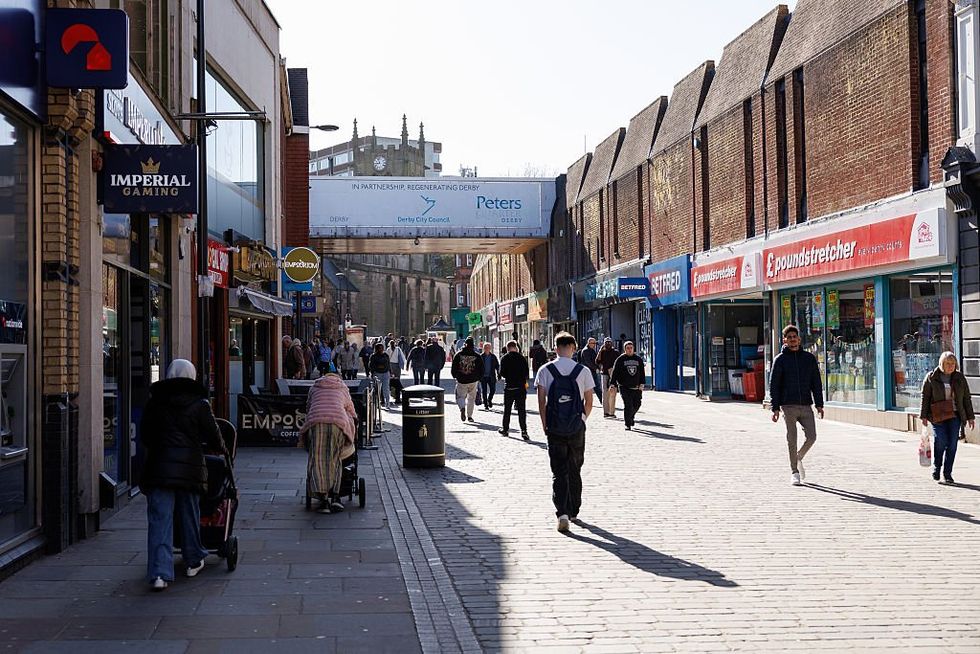
The economic fallout from the war in Iran will be felt on the high street for years, analysts fear
|GETTY
“So then they'll have to try and recoup some of their costs and will have to charge more next year for the food. We've also heard concerns about certain medicines that could be in short supply. There will be efforts being made to source medicines from elsewhere in the world.
"But there will be knock on effects and repercussions for years. I think that we should brace ourselves for more shortages. “There's going to be a long tail.”
Whatever happened in the Middle East, higher heating costs this winter were likely, Ms Streeter said. She added: “I do think that we will have a resolution of sorts by then. The first place where you will see it come down is energy, but it will come down to a level which is higher than we were before the conflict.
“You're still going to have higher energy costs this winter, higher energy bills than you would have done, even if there's a fast resolution to the conflict. There’s not going to be an easy fix to this. We're not going to suddenly see the end of the war and prices come back down to where they were. There will be knock on effects and repercussions for years.”
LATEST DEVELOPMENTS
- The winners and losers of the Iran war may surprise you – Nigel Nelson
- 'Get your own oil!' Donald Trump warns US 'won't be there for UK anymore' as President lashes out over Britain's refusal to join war
- Donald Trump lays ground to end Iran war WITHOUT reopening Strait of Hormuz - risking fuel chaos for Britons
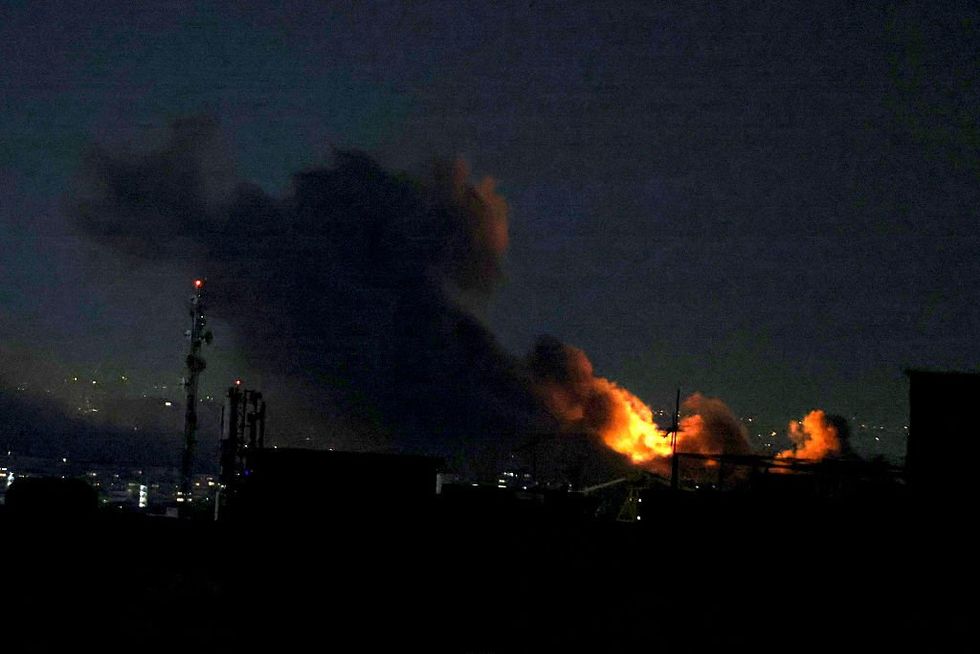
Kallum Pickering, chief economist at Peel Hunt, warned the energy shock was spreading around the globe
|GETTY
She said it was important consumers “don’t panic” and recommended: “Looking right across your finances – this is the time to start really spring cleaning. Dust down all of those strategies that we had in the last cost of living crisis”.
Kallum Pickering, chief economist at Peel Hunt, warned the energy shock was spreading around the globe, with shutdowns already in place in parts of Asia.
He said: “If Europe is next, this will amplify global recession fears. Donald Trump may have lost control of the situation, which makes a quick resolution harder and increases the risk that the Strait of Hormuz remains blocked even once fighting ends.”
Minister for energy consumers, Martin McCluskey, said: “Tackling the affordability crisis is our number one priority and I know many families will be thinking about how events in the Middle East might impact the cost of living at home. We will continue to fight people’s corner through this crisis and, as the Energy Secretary has said, if it’s necessary to intervene, we will.”
Our Standards: The GB News Editorial Charter