







War. What is it good for? Absolutely nothing... sang Edwin Starr in 1970 to protest at the slaughter of young Americans in Vietnam, a hit later taken up by the Temptations.
Like most of us Keir Starmer would rather the war in Iran had not happened, but it has produced some unexpected personal benefits.
The British public overwhelmingly tell pollsters that the PM was right not to follow Nigel Farage and Kemi Badenoch towards the drumbeat of war by joining initial US strikes.
That will do him no harm in the May 7 elections. And Labour MPs are becoming more reluctant to call for his head following the drubbing the party is nevertheless likely to receive when votes are counted.
Jolly green giant Ed Miliband has also received a boost. The Iran war has made his drive for renewables less about saving the planet and economic growth and more about an energy self-sufficient Britain.
His argument until now had been that going green will create 800,000 new jobs and give the UK the edge in capturing a sizable chunk of the £1.5trillion worth of global renewables business by 2030 – double what it was three years ago – as we export our technology.
Now he can talk about resilience and not being dependent on fossil fuels when events elsewhere make them hard to come by.
The message seems to be having an effect. Energy companies say sales of rooftop solar panels have risen by up to 62 per cent since the war began, and enquiries about fitting them have doubled.
But net zero opponents think the war gives the UK the perfect excuse to issue new licences to drill for oil and gas in the North Sea, saying the Rosebank and Jackdaw fields just need to be given the - ahem - green light to solve all our problems.
To ensure their products do not end up elsewhere, the suggestion is that we could use emergency powers in the 1976 Energy Act and 2004 Civil Contingencies Act to keep all the goodies for ourselves.
In the event of dire shortages, we could, though Rosebank would only give us an extra two per cent of gas.
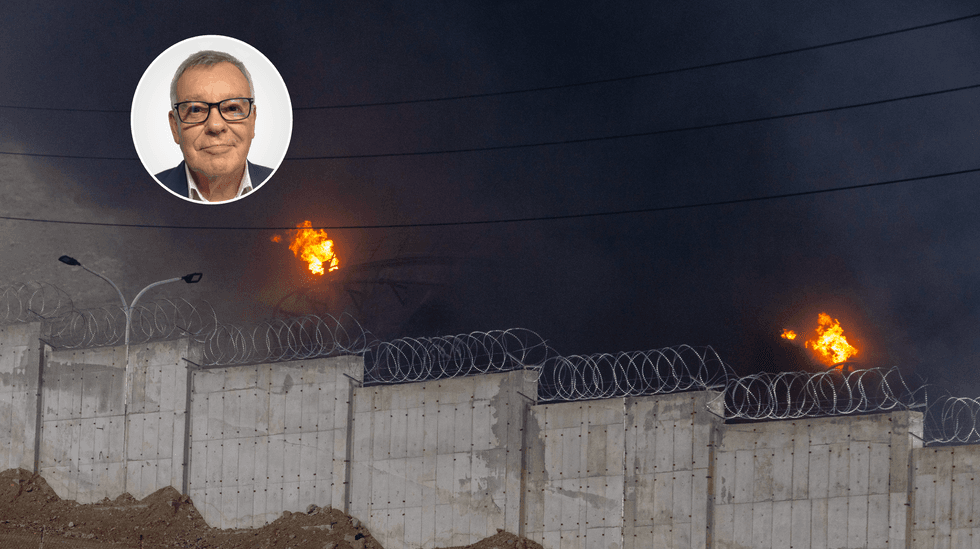
The winners and losers of the Iran war may surprise you - Nigel Nelson
|Getty Images
What it would not do is make fuel bills cheaper because global markets would still set the price. A barrel of North Sea oil would continue costing the same as one from Saudi Arabia.
That’s because oil and gas can be stuffed into containers and shipped anywhere in the world. Electricity can’t, so the price is set locally. And renewables such as nuclear, wind and solar produce electricity.
If it’s generated from gas-fired power stations, the unit cost is still based on the price of gas. The raw materials of sunshine and a bracing breeze cost nothing.
The only way to make oil and gas cheaper is to nationalise the industry so the government can sell them at a loss. That wouldn’t be very cost-effective.
Nor would taking the energy industry back into public control because it would cost £90billion to pay investors what they put in, and double that to give them what their shares are now worth.
The Tories and Reform are only saying drill, baby, drill because they think it is popular – not because it is practical.
Granted, net zero is no instant solution either, but it is the right direction of travel. Even the RAF reckons it can achieve it by 2040 by filling the fuel tanks of its warplanes with used cooking oil.
Everywhere we look, there are losers from Donald Trump’s reckless actions. Even fertiliser now costs 25 per cent more because it is made with gas, and that will feed through into food prices.
There is one outright winner this war has been good for, though – Vladimir Putin. The Foreign Policy Research Institute says Russia earned between £2.5 - £3.7billion in extra oil revenue since it began.