







Millions of pensioners could soon find themselves paying income tax on their state pension despite Labour promises to shield retirees from new charges.
A looming change from 2027 is expected to catch far more pensioners than many may realise, with only a small proportion set to escape the tax hit.
Just one in 18 pensioners is expected to benefit from the exemption announced in Labour's 2025 Budget, according to fresh analysis from pension consultants LCP.
The Government anticipates the full new state pension, currently worth £12,548 annually, will exceed the frozen £12,570 income tax threshold from April 2027 for the first time.
The Chancellor previously pledged that pensioners affected solely because their state pension crosses the tax threshold would not face income tax bills during this Parliament.
However, the research found fewer than one million of the 13.2 million people currently receiving state pension payments are likely to qualify for protection.
Among those receiving the new state pension, more than four in five will not qualify for the exemption, the LCP analysis reveals.
The research found many pensioners are excluded from the scheme for different reasons. Around 290,000 pensioners live outside the UK, while about one million receive extra payments known as "protected payment" on top of their new state pension.
A further 1.1 million receive too little state pension to go above the tax threshold within the next three years, while around 1.8 million have other taxable income such as private pensions or investment income.
As a result, only around 700,000 pensioners are expected to benefit from the exemption, equal to just 5.4 per cent of all current pensioners. That figure is forecast to rise slightly to around 800,000 by 2027/28 as the pensioner population increases.
None of the 7.7 million pensioners on the old state pension system are expected to qualify for the tax break.

More than four in five will not qualify for the exemption, the LCP analysis reveals
|GETTY
The exemption only applies to people whose only income is the old basic state pension with no extra payments attached. However, the current basic state pension is worth £9,614 a year, which is almost £3,000 below the frozen £12,570 income tax threshold.
That means someone relying entirely on the old basic state pension would not earn enough to cross the tax threshold during this Parliament.
The vast majority of old system pensioners, around 6.5 million, also receive 'additional' state pension such as SERPS or State Second Pension.
These recipients are automatically disqualified from the exemption because they receive increments on top of the basic pension, regardless of whether their total income exceeds the tax threshold.
The LCP report identifies several serious flaws in the Government's approach.
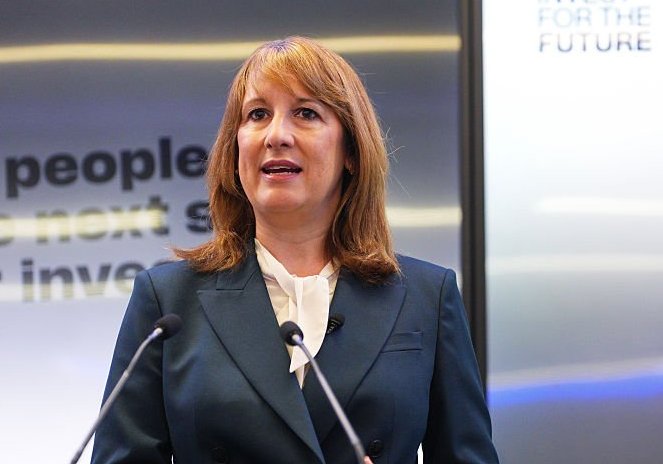
The LCP report identifies several serious flaws in the Government's approach
|GETTY
A pensioner receiving the new state pension above the tax threshold in 2027/28 will have their tax bill cancelled entirely, but someone on the old system with a basic plus additional state pension of exactly the same value will still be required to pay.
The policy also creates a severe cliff edge for those with minimal additional income.
A pensioner qualifying for the exemption in 2027/28 avoids paying £88 in tax, but someone who misses out due to just £1 of other income must pay tax not only on that pound but also the full £88 on their state pension.
This cliff edge will widen over time, reaching £153 in 2028/29 and £220 in 2029/30.
The policy also creates perverse outcomes for those who have saved into workplace pensions through automatic enrolment.
If someone builds up a small defined contribution pot and decides to cash it out in full, they receive 25 per cent tax-free but pay tax on the remaining 75 per cent.
Crucially, accessing this money would likely mean they are no longer considered 'solely' dependent on the state pension, stripping them of eligibility for the exemption.
By 2029/30, withdrawing a small pension pot could cost hundreds of pounds in additional tax
| GETTYBy 2029/30, withdrawing a small pension pot could cost hundreds of pounds in additional tax.
The research notes this appears contradictory, with the Government encouraging private pension saving while simultaneously penalising those who access their savings in retirement.
The policy is described as a temporary fix designed to last until the next general election, leaving future governments to address the growing cost.
Steve Webb, partner at LCP, said: "Two separate policies – triple lock uprating of the state pension and freezing of tax thresholds – will collide next year. From 2027 onwards, someone with just the new state pension and no other income will start getting annual tax bills from HMRC.
"This is politically embarrassing for the Government, but the proposed solution is deeply flawed. It discriminates against those on the old state pension system, even if they have identical income to someone on the new system, and creates unwelcome 'cliff edges' for those who have even a pound of other income."
He added that a general write-off for small tax amounts would likely be a cleaner approach, though a more fundamental review of pension and tax allowance levels is clearly needed.
Alasdair Mayes, partner and head of pensions tax at LCP, said: "This is another example of a seemingly well-intentioned policy announcement adding complexity and unfairness in the tax system. A simple and transparent tax system would be a benefit to all."