









HMRC has issued a warning to taxpayers as fraudsters intensify scam activity ahead of the self-assessment deadline on January 31, 2026.
The tax authority said it has received reports of more than 135,500 suspected scams targeting customers since February 2025.
The figures underline the scale of criminal activity aimed at individuals preparing and submitting their annual tax returns.
HMRC confirmed that 4,800 of the reported incidents were specifically linked to self-assessment fraud.
TRENDING
Stories
Videos
Your Say
Bogus tax refund scams accounted for 29,000 of the reports received by the revenue service during the same period.
The authority said it is urging taxpayers to remain vigilant and to learn how to identify fraudulent communications as the filing deadline approaches.
Laura Suter, director of personal finance at AJ Bell, said: "With the new year fast approaching, many people will be filing their tax return ahead of the January 31 deadline."
She said: "HMRC has confirmed that 4,800 self-assessment scams have been reported since February, while more widely it has been alerted to more than 135,500 suspected scams targeting its customers during this period."
The data shows fake tax refund scams represented just over a fifth of all suspected fraudulent activity reported to HMRC.
HMRC said it has shut down close to 25,000 fraudulent websites and telephone numbers over the past ten months.
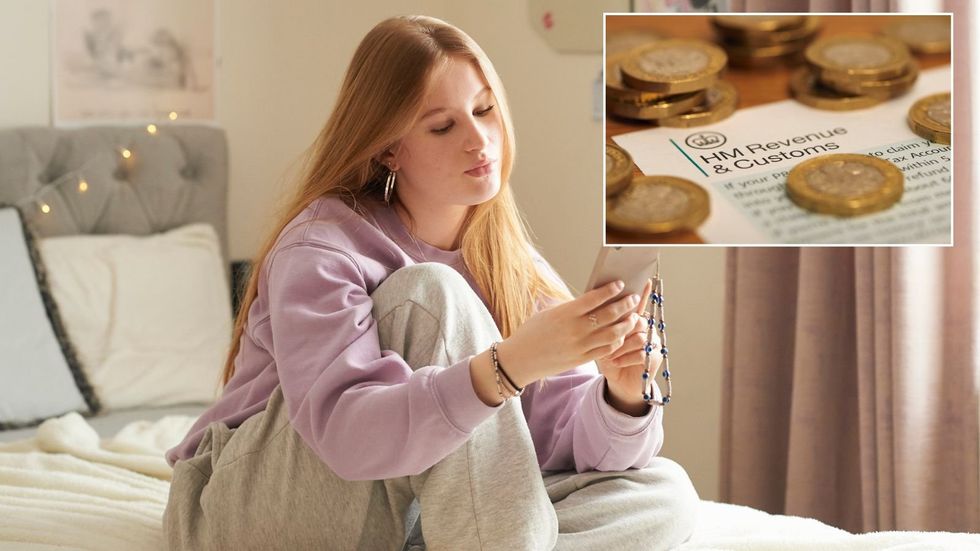
HMRC warns taxpayers as fraudsters intensify scams ahead of January 31 2026 self-assessment deadline
|GETTY
The authority said these enforcement actions are part of ongoing efforts to disrupt criminal networks impersonating HMRC.
Despite these measures, the reported figures suggest a significant volume of scams remains in circulation.
Ms Suter said frozen tax thresholds extended in the Budget continue to bring more people into the self-assessment system.
She said: "A record-breaking number of people have filed self-assessment returns in recent years, which scammers are clearly using to their advantage by targeting those who may not be familiar with the process."
Ms Suter said individuals who are new to self-assessment may be more vulnerable to fraudulent messages that appear to come from HMRC.
She said: "Of the scams reported to HMRC since February, just over a fifth related to fake tax refund claims."
LATEST DEVELOPMENTS

A significant volume of scams remains in circulation.
|GETTY
Ms Suter added: "HMRC says it has closed down nearly 25,000 fake websites and phone numbers in the past ten months, but these figures show that a large number of scams continue to circulate."
Taxpayers completing their returns are being advised to remain alert to emails, text messages and phone calls claiming to be from HMRC.
HMRC said it does not contact customers by email, text or phone to announce refunds or request personal or financial information.
Ms Suter said the approach of the deadline can create pressure that fraudsters seek to exploit.
She said: "As the self-assessment filing deadline gets closer, people can feel a sense of urgency to ensure they submit their return on time."
Ms Suter said: "It is important not to be tricked by scammers targeting people who are rushing and may be more susceptible to pressure tactics."
HMRC has advised taxpayers to check any unexpected contact through official government channels before responding.
The authority said suspicious emails and text messages should be reported using its official reporting services.
HMRC said taxpayers should never click on links or download attachments from messages claiming to be from the department if they are unsure of their authenticity.

HMRC said support and guidance are available online for those concerned about potential fraud
|GETTY
The revenue service said genuine HMRC correspondence will direct customers to log in to their online tax account through the official Government website.
HMRC said anyone who believes they have been targeted by a scam should act quickly to protect their personal and financial information.
The authority said support and guidance are available online for those concerned about potential fraud.
HMRC said remaining cautious and taking time to verify communications can help reduce the risk of falling victim to tax-related scams.
More From GB News