










HM Revenue and Customs (HMRC) has announced a major overhaul of salary sacrifice pension arrangements that will limit National Insurance exemptions for millions of workers.
Under the new policy, a £2,000 annual cap will be placed on the amount of pension contributions made through salary sacrifice that are exempt from National Insurance.
The change will come into force from April 2029.
Salary sacrifice pension contributions above £2,000 a year will attract both employee and employer National Insurance contributions.
TRENDING
Stories
Videos
Your Say
Only the first £2,000 contributed each year through salary sacrifice will remain exempt from National Insurance.
Pension contributions made through salary sacrifice will continue to benefit from Income Tax relief within existing limits.
The measure represents a significant shift in the tax treatment of salary sacrifice arrangements.
Salary sacrifice allows employees to reduce their gross pay or give up a bonus.
In return, their employer pays the equivalent amount into their pension.
Government estimates show around 7.7 million workers currently use salary sacrifice to make pension contributions.
Of those, approximately 4.3 million people will not be affected by the new cap.

HMRC announced a major overhaul of salary sacrifice pension arrangements
|GETTY
These individuals contribute £2,000 or less each year through salary sacrifice.
This group accounts for 56 per cent of all employees using the arrangement, and continue to benefit from full National Insurance exemptions on their pension contributions.
The Government said the £2,000 threshold was set to protect the majority of pension savers, with the remaining 3.3 million workers will be affected once the new rules take effect.
This group represents 44 per cent of employees using salary sacrifice for pension saving, which currently contribute more than £2,000 a year through the arrangement.
For these workers, contributions above the cap will be treated like standard workplace pension contributions for National Insurance purposes.
Government modelling suggests the financial impact on employees will be relatively modest.
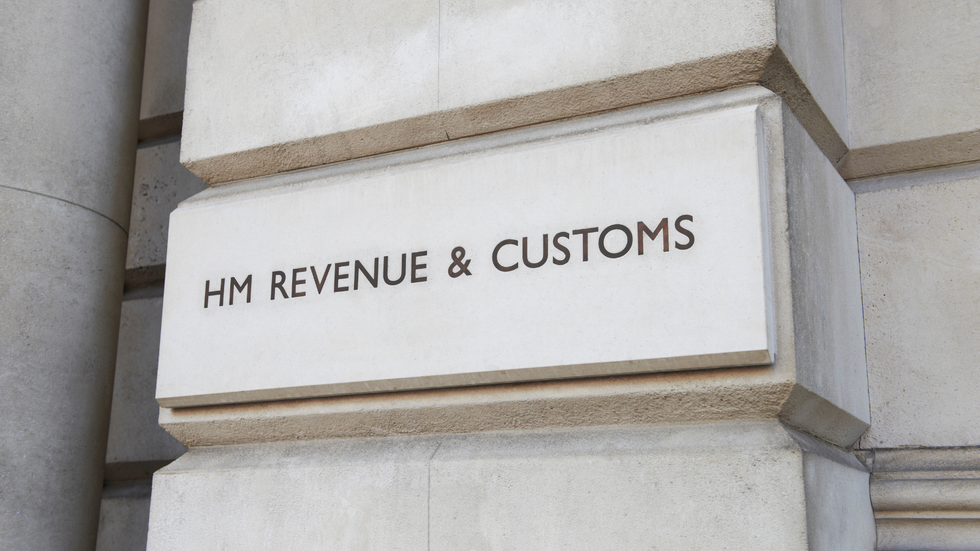
Employers will also face higher National Insurance costs on contributions above the threshold
| GETTYThe average additional employee National Insurance contribution is estimated at £84 in the 2029/30 tax year.
Employers will also face higher National Insurance costs on contributions above the threshold.
Despite the change, employers and employees will still be able to make pension contributions above £2,000 through salary sacrifice.
However, those additional contributions will no longer be exempt from National Insurance.
The Office for Budget Responsibility (OBR) has published forecasts on the revenue raised by the policy.
The measure was discussed in Parliament following a question from Baroness Stedman-Scott.
She asked what assessment had been made of the OBR’s assumption on cost sharing between employers and employees.
"What assessment have they made of the OBR's assumption that, following the decision to apply National Insurance to salary-sacrificed pension contributions above £2,000, employers will pass 76 per cent of the additional cost to employees."
Responding on behalf of the Treasury, Lord Livermore said the assumption was consistent with previous changes to employer National Insurance.
He said the passthrough rate was reflected in the Government’s published costing note.
Lord Livermore said the policy would apply to all employers that operate salary sacrifice pension schemes.
This includes organisations in both the public and private sectors.
He noted that many public sector employers are already restricted from using salary sacrifice for pensions.
These restrictions are set out under Managing Public Money rules.
The Government said it remains committed to supporting pension saving.
Treasury figures show income tax and National Insurance reliefs for pensions are worth more than £70billion each year.

The rules will not change until April 2029
| GETTYLord Livermore said: "This is the fairest way to support pensions saving whilst ensuring relief is targeted at those who need it most."
The Treasury has framed the policy as a balance between maintaining incentives and addressing the cost of reliefs.
Ministers say the long lead-in time is designed to give employers and employees time to plan.
Both public and private sector workers will be subject to the same £2,000 cap.
However, the practical impact will vary depending on existing salary sacrifice arrangements.
The Government said further guidance will be published closer to implementation.
More From GB News