








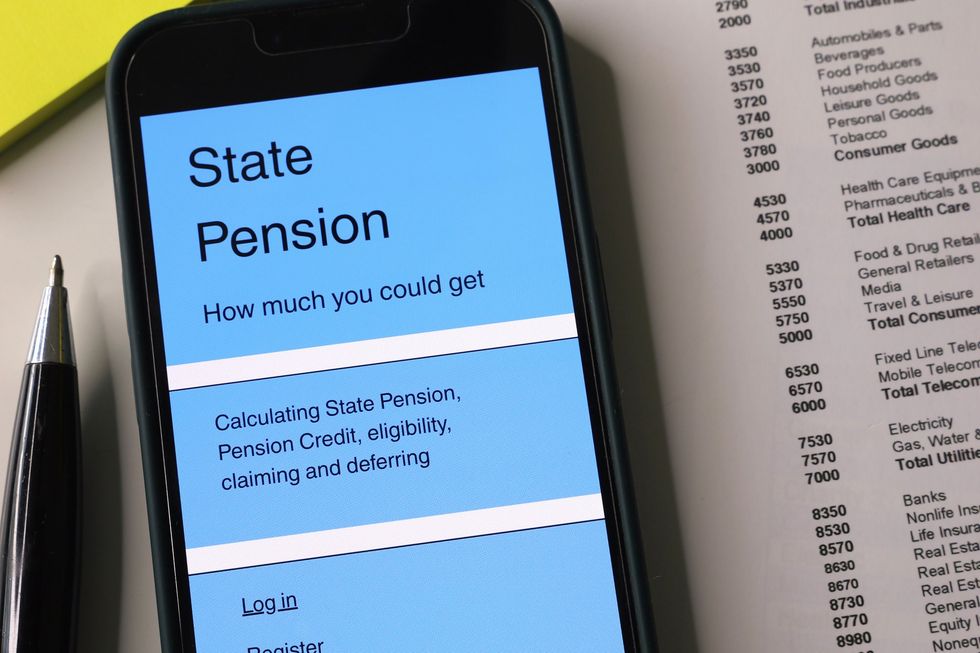
HM Revenue and Customs (HMRC) has confirmed that pension savers lose their entitlement to tax relief on personal pension contributions from their 75th birthday onwards.
Under current HMRC rules, the Government stops adding basic-rate tax relief to any payments made into a pension once a person reaches the age of 75.
In its official guidance on pensions tax, HMRC said: "Although contributions can be paid after a member has reached the age of 75, they are not relievable pension contributions and cannot qualify for tax relief".
While some pension providers continue to accept contributions from those aged over 75, many schemes do not permit further payments because the tax advantages attached to pension saving no longer apply.
Before reaching 75, pension savers benefit from considerably more generous rules surrounding pension contributions and tax relief.
UK residents can claim tax relief on private pension contributions worth up to 100 per cent of their annual earnings.
For the 2026/27 tax year, the annual allowance limits how much can be paid into a pension before an Income Tax charge may apply, with the threshold set at £60,000.
In most cases, tax relief is added automatically to pension contributions through the pension scheme.

HMRC confirms pensioners lose key tax relief benefit once they reach 75
|GETTY
However, depending on the type of pension arrangement and the rate of Income Tax paid, some savers may need to claim additional relief directly.
These tax benefits are only available to UK residents who are under the age of 75.
Reaching 75 also affects the tax treatment of pension death benefits.
Where a pension holder dies before their 75th birthday, beneficiaries can usually inherit pension funds without paying Income Tax on the money received.
LATEST DEVELOPMENTS
The age threshold can therefore have a significant impact on how pension wealth is passed on to family members
| GETTYDifferent rules apply when a pension holder dies aged 75 or over, with beneficiaries generally required to pay Income Tax on any withdrawals at their own marginal rate.
Oliver Griffin, financial planning expert at Fidelity International, outlined the implications of the rules for pension savers approaching the age limit.
"Once you turn 75, you no longer receive tax relief on personal pension contributions. For that reason, many pension schemes don't accept new contributions after this."
He added that individuals who continue working beyond the age of 75 may still benefit from employer pension contributions, provided those payments comply with existing tax rules.
Mr Griffin also highlighted upcoming changes to inheritance tax treatment for pensions due to take effect from April 6, 2027.
Unused pension funds and certain death benefits will be included within a deceased person's estate for inheritance tax purposes from that date.
Mr Griffin added that pension holders may still be able to take tax-free cash after reaching 75, although the rules become more complex and some pension providers may impose restrictions.
The changes mean pension savers approaching their 75th birthday may need to consider how future contributions, pension withdrawals and estate planning arrangements could be affected by the current rules.