





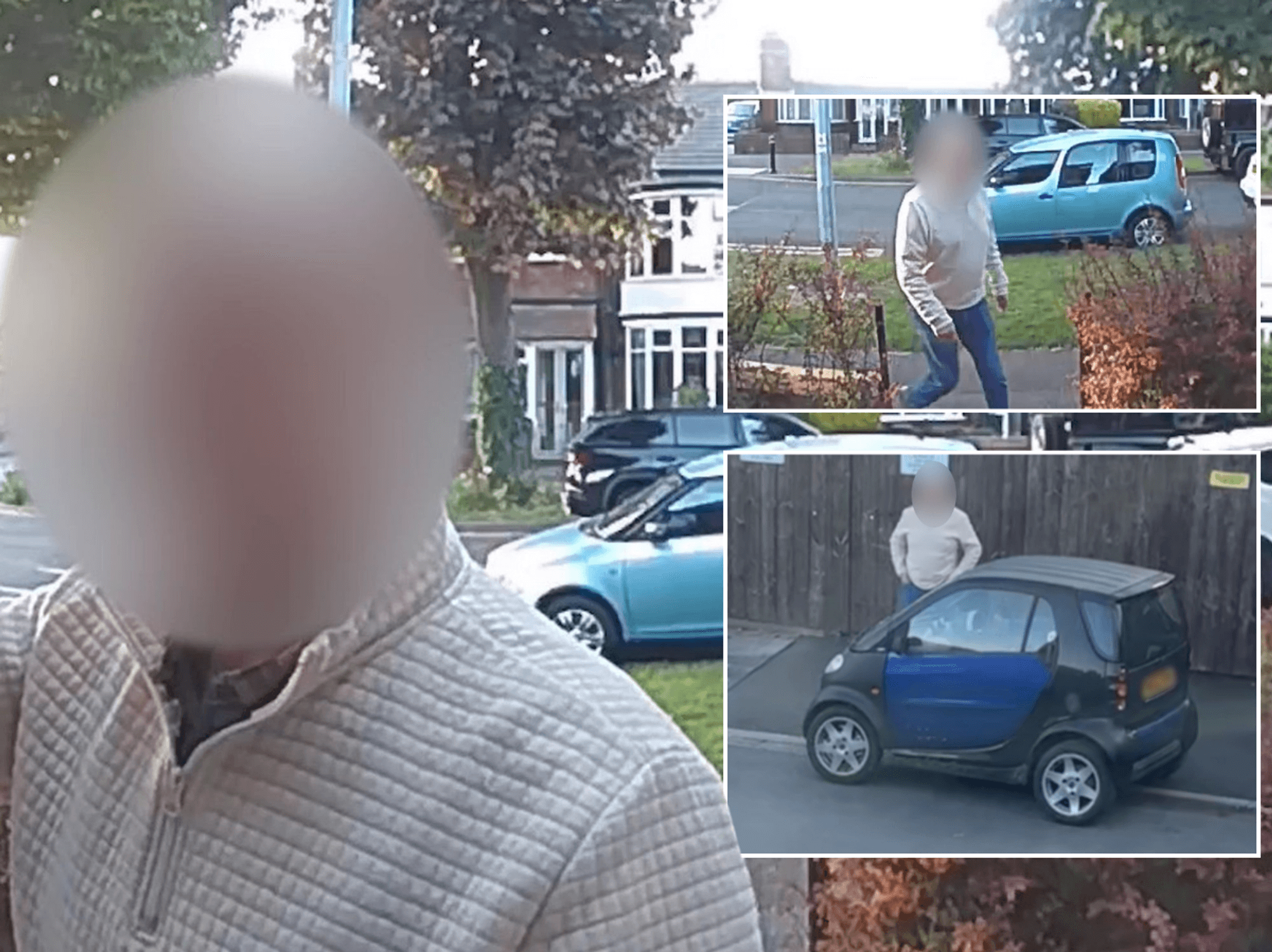




HMRC's handling of the loan charge crackdown has come under renewed scrutiny, with fresh figures revealing the scale of both the costs and the money recovered.
Critics say the approach has caused significant financial harm to thousands of taxpayers, while raising questions about value for money.
HMRC has spent £186million over the past six years on its loan charge enforcement programme, during which around £250million in settlements has been agreed with individuals and employers.
The tax authority’s crackdown on so-called "disguised remuneration" schemes has been branded a "botched" operation by politicians and campaigners, with approximately 50,000 individuals caught up in the controversial initiative.
Annual compliance costs have reached £31million since the loan charge came into force in 2019, according to an independent review.
A Freedom of Information request showed that £44million has so far been collected from individual settlements, out of £52million agreed in those cases.
HMRC said this does not reflect the full picture, with total settlements of around £250million agreed with individuals and employers over the same period.
The scheme was originally intended to recoup £3.4billion from those who participated in the remuneration arrangements, which were heavily promoted during the 2000s.
Thousands of contractors have faced substantial retrospective tax demands after acting on advice from third parties, employers and accountants who promoted these arrangements. Many of those affected maintain they believed the schemes were entirely legitimate at the time and had received tacit approval from HMRC.
The consequences have proved severe for some. Over the past seven years, workers have been confronted with bills running into tens of thousands of pounds.

HMRC crackdown leaves 50,000 taxpayers facing huge bills
| GETTYThe Loan Charge and Taxpayer Fairness group, comprising 156 MPs and Lords, has described the tax office's approach as "a profound failure" and demanded a public inquiry into the handling of the matter.
Sir Jacob Rees-Mogg, the former Conservative cabinet minister, condemned the approach in stark terms: "Retrospective action is completely unconstitutional. HMRC didn't have any objections at the time, and it's extremely unfair that it's now deemed that [the schemes are] not allowed."
He added: "Innocent taxpayers killed themselves because of a disgraceful and unfair administration of tax, when they thought they'd done something perfectly legitimate. HMRC should have gone after the promoters of the schemes if they thought they were wrong."
The Loan Charge and Taxpayer Fairness group described the tax office's approach as "a profound failure"
| GETTYGreg Smith, the MP for Mid Buckinghamshire, echoed these concerns: "All along, HMRC has been targeting the wrong people and yet even now, the Labour Government is still only pursuing people that are victims of mis-selling, while doing nothing to recover the millions made by those who mis-sold these schemes, which is shameful."
Steve Packham, co-founder of the Loan Charge Action Group, accused the Chancellor of abandoning her previous position: "In opposition, Rachel Reeves said HMRC should go after the perpetrators, yet in government has done a complete U-turn."
He drew a pointed comparison with other financial scandals: "Whilst those who mis-sold PPI are being forced to pay back millions, those who mis-sold contractor loan schemes are not being asked to pay a single penny – it's double standards."

HMRC announced revised settlement terms including reductions of up to £70,000
| GETTYFollowing the 2025 Loan Charge Review, HMRC announced revised settlement terms including reductions of up to £70,000, with late payment interest written off and promoter fees taken into account.
An HMRC spokesman stated: "Following the 2025 Loan Charge Review, the Government agreed a new settlement offer, and we are working with our customers to help bring this matter to a close."