










HMRC has launched a hands-on crackdown on Britain's biggest companies, collecting billions more in extra tax.
Officials have taken a tougher approach by closely monitoring large firms, assigning dedicated teams and issuing more penalties.
The tax authority recovered an additional £16billion from the UK's largest corporations over the past year, according to a new National Audit Office report.
HMRC's large business division has adopted what the watchdog described as a "more hands-on approach" than with other taxpayers because of the complexity of big companies and the huge sums involved.
The strategy has delivered strong results, with extra tax recovered from the country’s 2,000 largest firms doubling over the past three years.
Greater use of data analysis and tougher enforcement has also driven higher tax collections.
The number of fines issued to major corporations has risen sharply, jumping from 164 in 2021/22 to 636 in the latest financial year almost a fourfold increase.
However, most of these penalties did not result in companies paying money. The National Audit Office found that 71 per cent of fines issued over four years were later suspended after businesses cooperated with HMRC or corrected their tax issues.
This reflects the tax authority’s strategy of using penalties to encourage compliance rather than simply punish companies, giving firms an incentive to fix problems before facing full financial penalties.

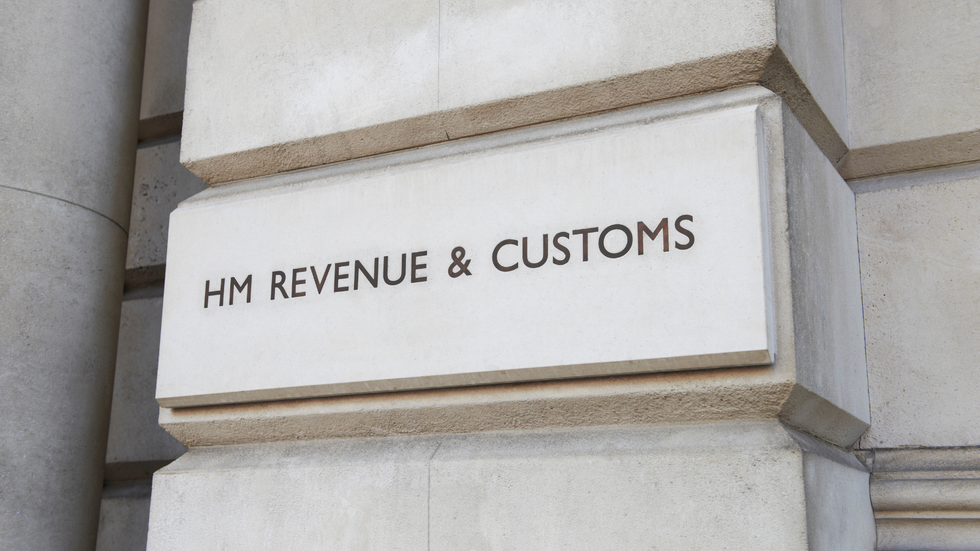
HMRC launches 'hands-on' crackdown
| GETTYThe division dealing with large businesses has also proved highly cost-effective, generating £95 in extra tax revenue for every £1 spent on staff. That return is about four times higher than HMRC achieves across all taxpayers.
In total, the unit brought in £337billion from approximately 2,000 of the UK's largest enterprises during 2024-25.
While major corporations tend to comply more readily with tax obligations than smaller firms and represent just 12 per cent of the overall tax gap, pursuing them remains worthwhile.

In total, the unit brought in £337billion from approximately 2,000 of the UK's largest enterprises during 2024-25
| GETTYOn average, each case of unpaid tax from these businesses amounts to roughly £3million.
The NAO investigation uncovered no evidence that HMRC had struck preferential arrangements with large corporations regarding their tax liabilities.
Internal testing revealed the department adhered to its governance procedures in 98.1 per cent of cases examined during 2024-25.
HMRC chair explained the extra £15.8billion collected showed "a clear example of an effective approach that represents a good return on investment"
| GETTYSir Geoffrey Clifton-Brown, chair of the public accounts committee, said the extra £15.8billion collected by the department showed "a clear example of an effective approach that represents a good return on investment".
Gareth Davies, head of the NAO, praised the directorate for developing "an efficient and effective approach to ensuring large businesses remain tax compliant", adding that HMRC should consider applying similar methods to other complex and high-risk enterprises.
More From GB News