








The television licence fee could be reformed as part of the renewal process of the BBC's royal charter, the Labour Government has confirmed.
This morning, the Department for Culture, Media and Sport (DCMS) provided insight into the future of the levy, which is currently charged at £174.50 for a colour TV and £58.50 for black and white televisions.
The announcement coincides with President Donald Trump filing a $10billion lawsuit against the public broadcaster over Panorama's coverage of comments he made on January 6, 2021.
Households need to pay the TV licence fee charge every year in order to watch or stream programming as it is being broadcast live with money raised going towards BBC funding.
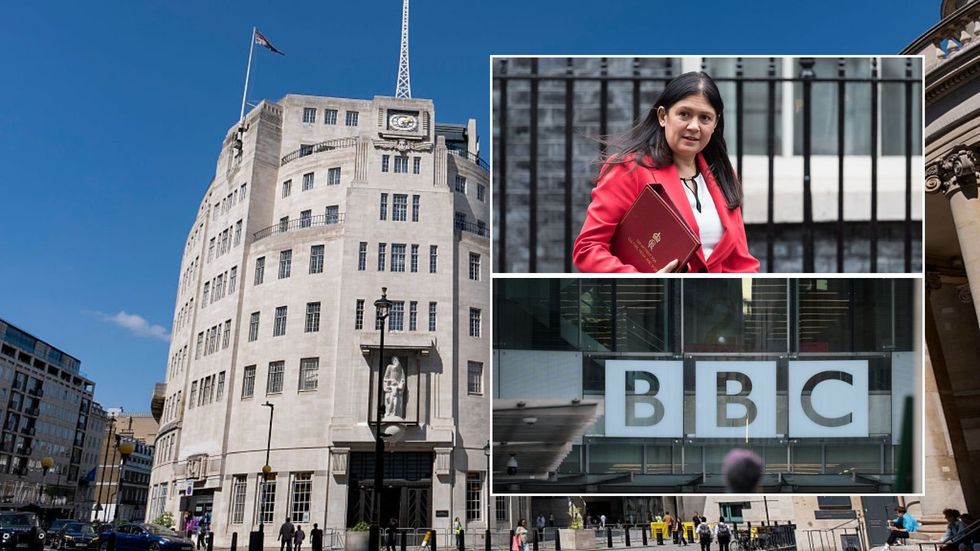
A review is being conducted by Labour into the licence fee
|GETTY / PA
In recent years, ministers have signalled alternative forms of funding for the public broadcaster are being looked at to compete with streaming platforms.
Under the charter, the BBC’s public purpose and constitutional basis is outlined for journalists and creatives working for the institution.
Labour ministers will look at whether licence fee concessions should be updated, options for the BBC to generate more commercial revenues, and also options for funding the BBC World Service to support sustainable funding for minority language broadcasting.
Culture Secretary Lisa Nandy said: "We want the BBC to continue to enrich people’s lives, tell Britain’s story and showcase our values and culture at home and overseas long into the future.
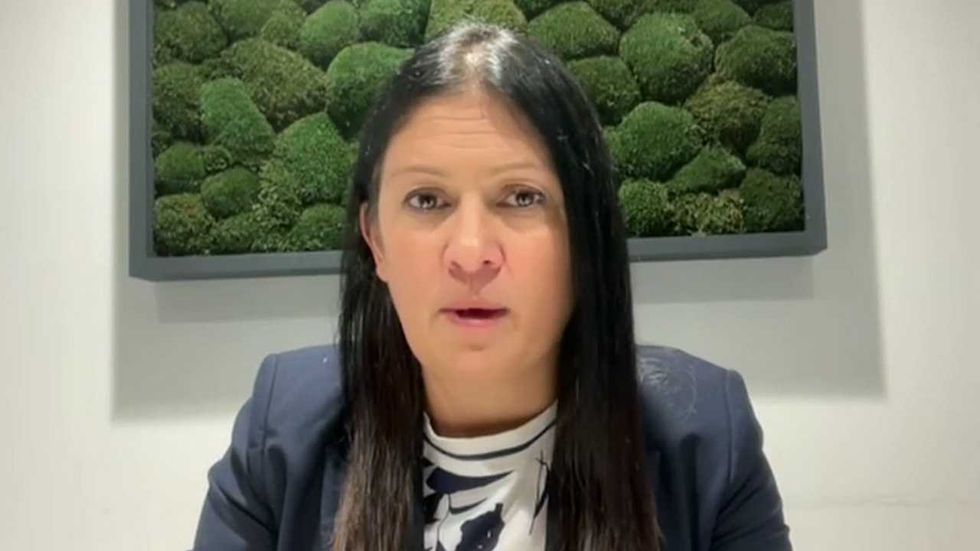
Lisa Nandy has launched the review into the BBC's funding model
| GB NEWS"My aims for the charter review are clear. The BBC must remain fiercely independent, accountable and be able to command public trust.“It must reflect the whole of the UK, remain an engine for economic growth and be funded in a way that is sustainable and fair for audiences.
"As a Government, we will ensure that this charter review is the catalyst that helps the BBC adapt to a rapidly changing media landscape and secures its role at the heart of national life."
In response to the royal charter review's launch, outgoing BBC director-general Tim Davie asserted the broadcaster wants change "so we can continue to deliver for the UK for generations to come".
Mr Davie added: "We welcome the publication of the Government’s Green Paper and the start of the public consultation on the future of the BBC. We urge everyone who cares about the success of the UK’s world-leading creative industries to have their say.
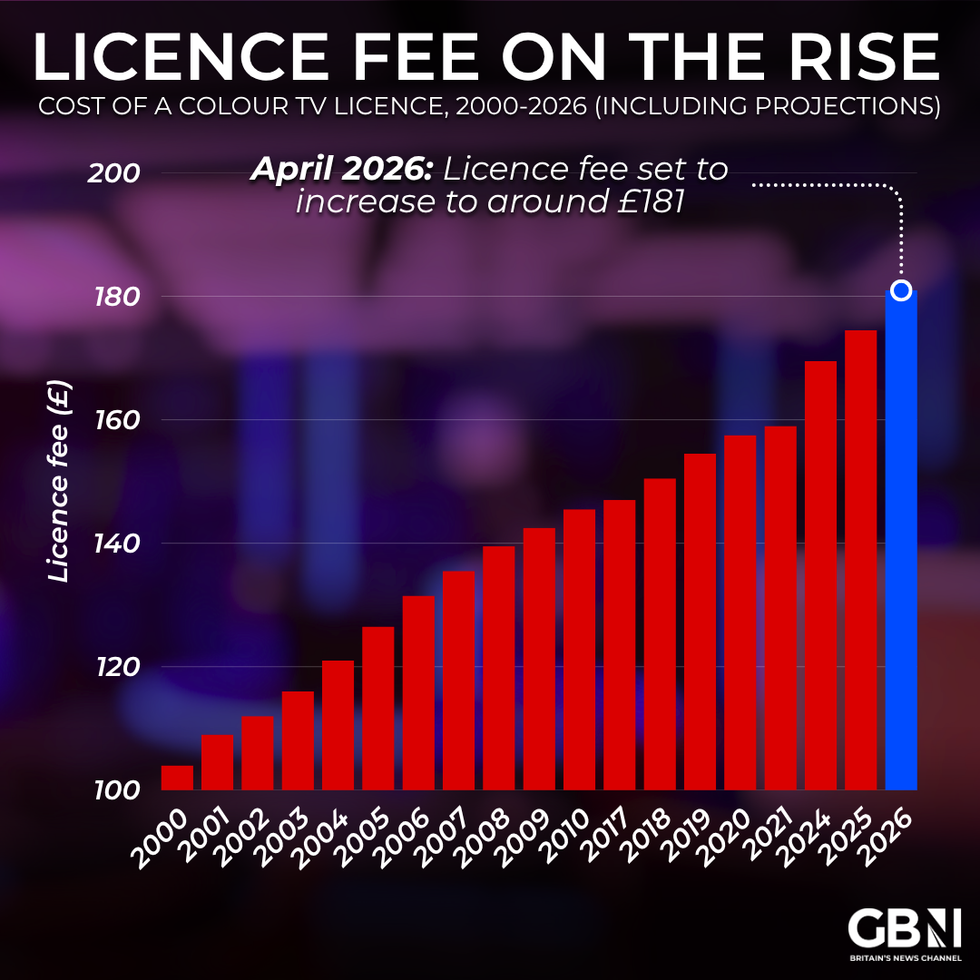 Licence fee on the rise: How much does the TV licence cost? | GB NEWS
"At the BBC we want change so we can continue to deliver for the UK for generations to come. We want to secure a public service BBC that is independent, sustainably funded for the long term, and meets our audience’s needs."
When announcing the review, the Government highlighted that the BBC generates £5billion for the UK economy annually.
The public broadcaster is also is the single biggest investor in UK content, employs more than 20,000 people and supports a highly trained workforce.
As outlined in the Government's Green Paper, the BBC royal charter review will look into reviewing three key objectives.
LATEST DEVELOPMENTS
These include:
- Creating a BBC that commands the public’s trust, is independent and accountable to the public it serves, and represents all communities across the UK, as well as strengthening the BBC’s independence so that the public continues to have trust in the organisation and its programmes and content.
- Making sure the BBC is sustainably funded for years to come and support its vital public service role, which could include licence fee reform.
- Establishing the BBC as driving of economic growth, opportunity and jobs across the UK.
More From GB News