










Pensioners will be among the hardest hit if energy bills rise again following the escalating Middle East conflict.
New analysis shows Britain's oldest households already spend a far larger share of their income on heating than most families, leaving them particularly vulnerable to any surge in prices.
Spending data suggests the most senior single pensioners already direct around one pound in every seven of their total household spending towards keeping warm.
Lower-income households more broadly spend roughly twice the proportion of their budgets on energy compared with wealthier families, but pensioners in these groups are especially exposed to rising costs.
UK gas prices jumped to their highest level in three years this week after military strikes involving Israel, the United States and Iran heightened tensions across the region.
Wholesale prices briefly climbed above 165p per therm, more than double the levels seen at the end of last year.
The conflict has also disrupted shipping through the Strait of Hormuz, a crucial route that carries around a fifth of the world’s oil and gas supplies.
Industry observers warn that prolonged disruption to international energy flows could ultimately affect British consumers.
The UK's price cap mechanism shields households from immediate increases, though elevated wholesale prices may feed through to bills from July onwards.

Older pensioners to be hit hardest as bills to jump by £500 a year
| GETTYAnalyst Cornwall Insight, the leading independent authority on household energy prices, currently predict that the cap will rise by about 10 per cent, adding around £160 a year to typical household bills, bringing the annual total to around £1,801 per year for a dual fuel customer.
That would be made up of an electricity bill of £913.95 with £886.84 for gas.
However, even if the increase in July is 'only' 10 per cent that could be just the start of a sequence of increases in the level of the cap.
Think tank Resolution Foundation warn that the disruption to global oil and gas supplies could as much as £500 to typical annual energy bills, representing a huge new hit to household budgets just as real incomes are starting to recover from the cost of living squeeze of the previous three years.
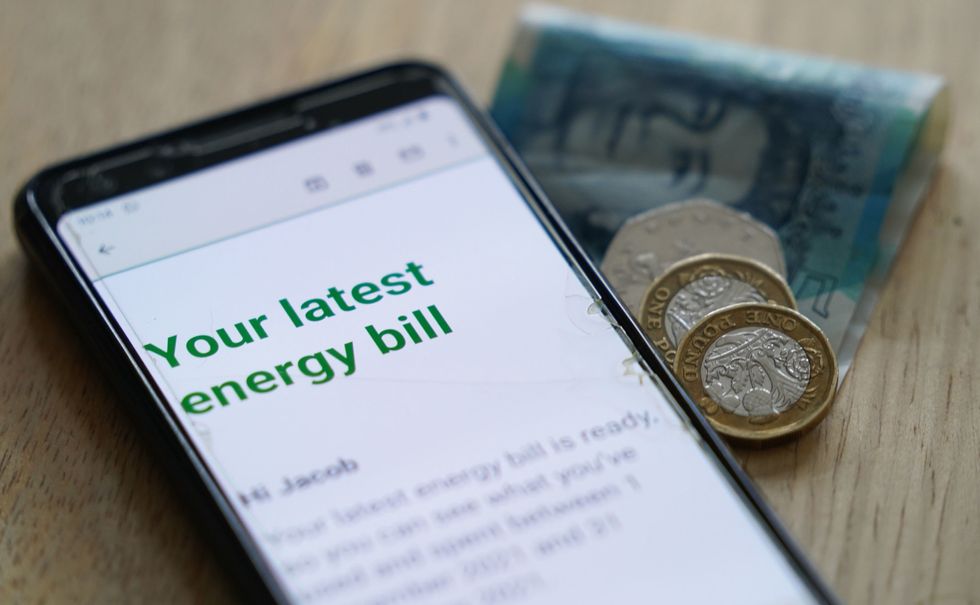
Think tank Resolution Foundation warn that the disruption to global oil and gas supplies could as much as £500 to typical annual energy bills
| PAFresh analysis from pension consultants LCP, drawing on the government's Living Costs and Food Survey for 2023/24, reveals how fuel expenditure climbs steadily with age among those living alone.
Single pensioners between 65 and 69 typically devote around 10 per cent of their spending to energy, but this proportion increases progressively through the age bands. Those aged 70 to 74 allocate approximately 12 per cent, rising to 13 per cent for the 75 to 79 cohort.
The most acute pressure falls on single pensioners aged 80 to 84, who direct roughly 14 per cent of their entire household budget towards gas, electricity and other heating costs.
Britain is home to approximately 4.7 million single pensioners, with Department for Work and Pensions figures indicating that around half are widows or widowers.
Of this population, roughly 1.9 million are aged 75 or above, placing them in the demographic most exposed to soaring fuel costs.

Several forms of assistance exist for pensioners struggling with energy costs, though eligibility often depends on benefit claims
| GETTYThe Office for National Statistics has identified this age group as facing heightened risks during cold spells, noting that "adults aged over 75 years have higher excess winter mortality than younger adults, with adults aged over 90 years having the highest winter mortality."
The statistics agency attributes this vulnerability to weakened immune systems, chronic health conditions and greater difficulty maintaining body warmth.
Several forms of assistance exist for pensioners struggling with energy costs, though eligibility often depends on benefit claims.
Winter Fuel Payments provide up to £300 for individuals earning below £35,000 annually, while the Warm Home Discount offers £150 towards bills for those receiving the Guarantee Credit element of Pension Credit.
Cold Weather Payments deliver £25 weekly when local temperatures remain below freezing for seven consecutive days.
Steve Webb, partner at LCP, cautioned: "Older and poorer pensioners will be hardest hit if energy prices spike. It is vitally important that this group is supported to claim the existing help that is available with energy bills, but much more will need to be done if the cost of home heating jumps."
More From GB News