







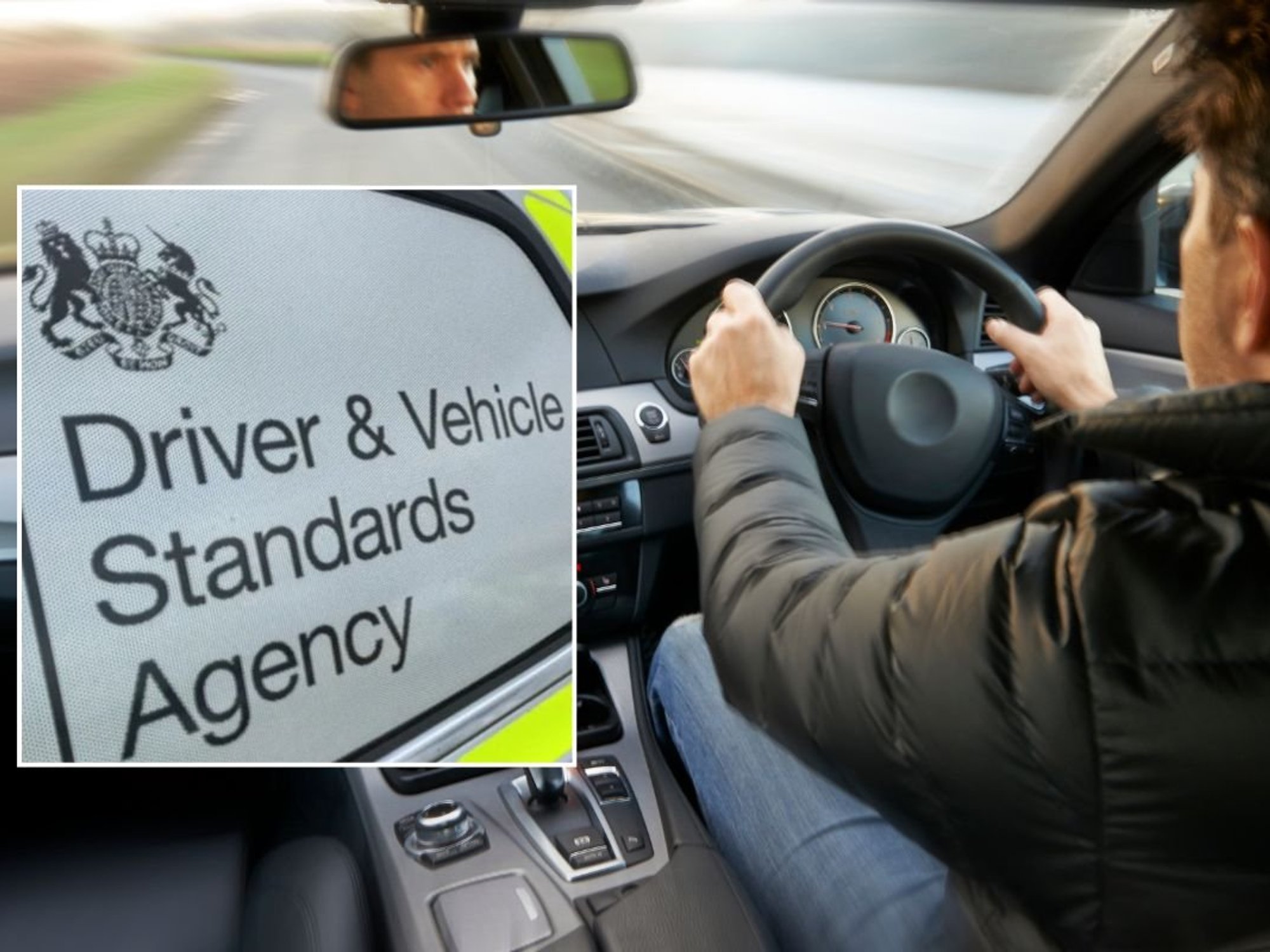


Wolverhampton City Council has approved taxi and private hire licences for 438 violent criminals and sex offenders during the past year, a freedom of information (FOI) request has revealed.
Among those granted licences were 158 people with convictions for violent crimes, 61 for drug-related offences, 36 for drink offences, and four for sexual offences, with 16 drivers holding convictions spanning multiple categories.
The West Midlands authority has become known as the UK's "taxi capital" after issuing more than 42,000 driver licences between April 2023 and March 2024.
This figure dwarfs those of neighbouring Birmingham and Bradford, which each issued around 7,000 licences during the same period.
TRENDING
Stories
Videos
Your Say
Drivers holding Wolverhampton-issued licences can operate through platforms such as Uber and Bolt across other local authority areas.
Greater Manchester's mayor, Andy Burnham, described the figures as "truly shocking", stating they "lay bare the fundamental issue with how private hire licensing is managed in this country".
He said: "We want our taxis and private hire vehicles to be among the safest and most trusted in the country, but we can't do this with the current broken licensing system, where local leaders have zero oversight over nearly half the PHVs on our streets."
The data also showed that 96 per cent of drivers licensed by Wolverhampton Council resided outside the city boundaries between April 2023 and March 2024.
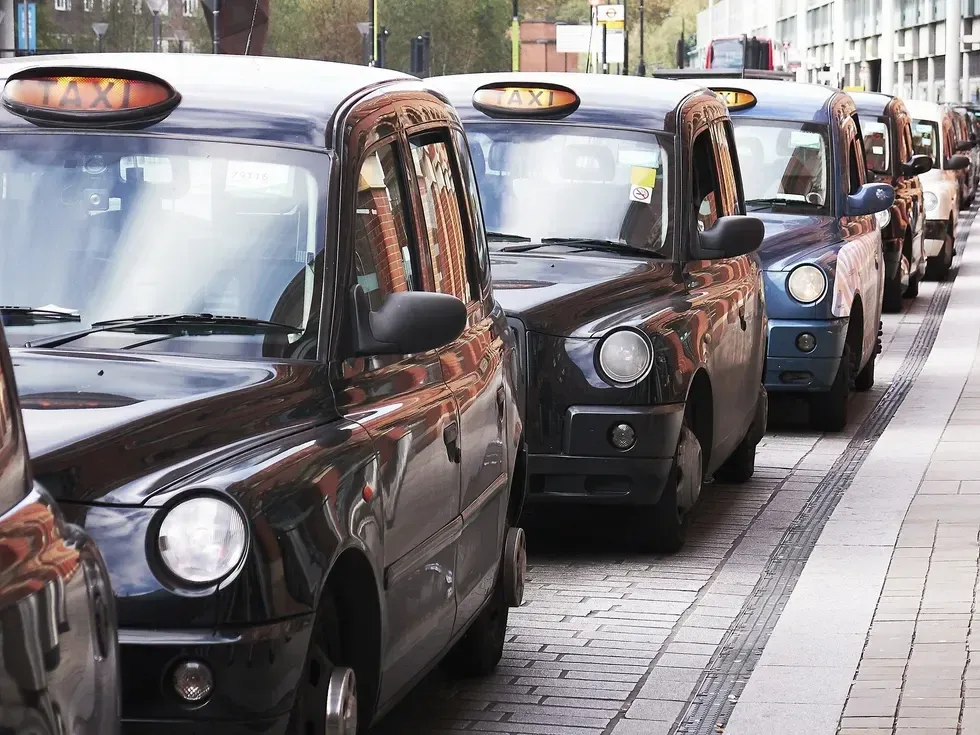
More than 150 violent criminals and sex offenders have been handed taxi licences in Wolverhampton
| GETTYThe Government is currently examining proposals to limit the number of licensing authorities and restrict out-of-area working, which permits drivers to operate beyond their licensing area.
Tim Johnson, Wolverhampton Council's chief executive, defended the authority's approach, stating: "There is nothing more important to us than the safety of passengers in cars licensed by this council."
He emphasised that "safeguarding is such a priority for us" and that every application undergoes thorough scrutiny based on local and national policies.
The council rejects thousands of applications annually, he added.
LATEST DEVELOPMENTS
Mr Johnson highlighted that Wolverhampton remains the sole council conducting Disclosure and Barring Service checks on all drivers, and the only authority sharing conviction data about licensed drivers.
The Department for Transport stated its guidance makes clear that individuals convicted of sexual offences should never receive a taxi licence.
Its guidance further specifies that those with violent convictions should wait at least 10 years after completing their sentence before being considered.
The Suzy Lamplugh Trust, a charity focused on reducing stalking and harassment, has advocated for consistent safeguarding standards in taxi licensing since 2014.
The organisation called for drivers to be classified as a regulated activity, which would require more rigorous background checks.
Both Uber and Bolt confirmed that licensing decisions rest with local authorities, with background check details not passed on to the companies.
A Bolt spokesman noted their data shows "no meaningful link between where a driver is licensed and reported safety incidents".
Birmingham council said GDPR restrictions prevent it from retaining DBS information, while Bradford stated that providing conviction data would exceed freedom of information cost limits.
Wolverhampton council, Uber, and Bolt all expressed support for reforming the licensing system.