










Clean energy subsidies and grid costs will hit £40billion a year by 2030, an analyst predicts.
This £20billion increase from last year’s prices is equivalent to around £700 per household, according to a paper from think tank, the Institute of Economic Affairs.
OBR figures show clean energy subsidies, which include wind and nuclear, will increase from £11.8billion a year to £15.2billion, the IEA paper found.
Meanwhile, integration costs – which include connecting the grid to renewable projects and the handling of intermittent energy – will triple, from £8billion a year to £25billion, the report estimates.
With the UK struggling under some of the highest electricity costs in the developed world, the report warns of "a slow-motion catastrophe for British industry and households".
But the Government says the report is "highly misleading" and uses "selective evidence". It says it doesn’t take into account the estimated savings from the cheaper wholesale cost of renewables.
These costs are "a key component of bills". It adds the grid costs reflect the "significant investment" that is needed in our energy system, regardless of the impact of renewables.
Under the previous system, 60gw of capacity was needed on the grid to meet a peak demand of 45gw. But the country now needs 120gw of capacity to meet a slightly lower peak.
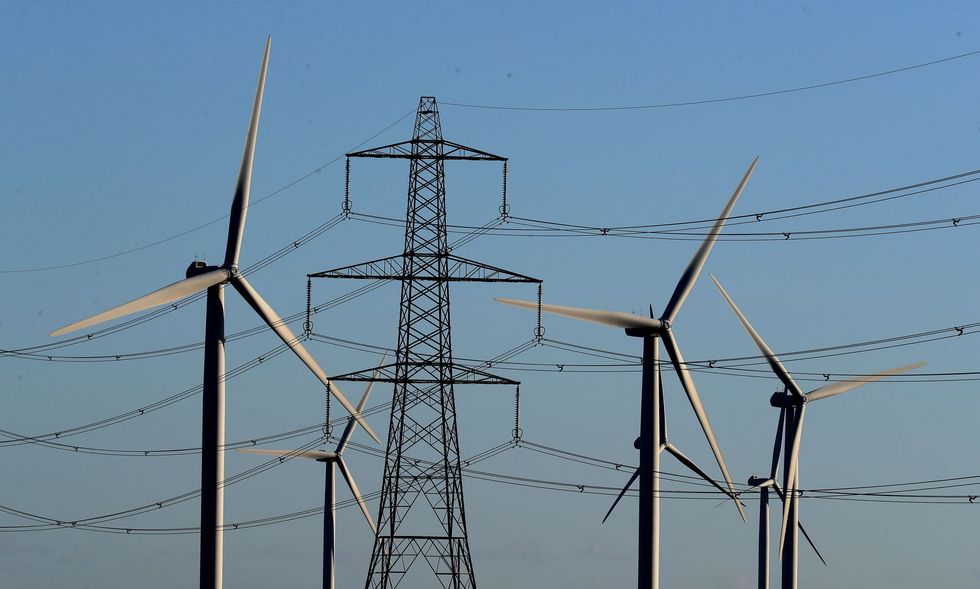
Clean energy subsidies and grid costs will hit £40billion a year by 2030, a new analysis has found
|PA
This is in part because a backup system is needed for renewables when, for example, the sun isn’t shining or the wind is still.
Shadow Energy Secretary Claire Coutinho has previously warned of the increasing system payments, saying: "If gas went to zero, bills are still set to rise because of ballooning grid costs."
The IEA research was carried out by energy analyst David Turver. He split the forecasts into two categories.
The first was subsidies, which are set to rise from last year’s £11.8billion to £15.3billion by 2030/31.
Included in these were the Renewables Obligation, Contracts for Difference, and Feed-in-Tariffs – all payment systems for renewable generators.
He also took the Green Gas Levy into account, which is aimed at funding biomethane production, and the Sizewell C levy, which funds the nuclear plant.
Nuclear and biomethane are seen as low-carbon alternatives to fossil fuels.
LATEST DEVELOPMENTS:
The second category was grid integration, which is forecast to rise from last year’s £8bllion to £25billion in 2030/2031.
The highest rise was transmission costs, set to soar from £4.2billion to £13.3billion.
These are high in part because of the need to connect renewable projects, many of which are in remote areas, to places of demand.
Capacity Market costs – which pay to ensure power is always available when renewable energy cuts off, such as on a windless day – are set to rise from £1.3billion to £4.4billion.
Grid balancing costs – which include constraint payments given to generators not to supply power because the network has a surplus – rise from £2.5billion to £7.3billion.
In total, Mr Turver estimates subsidies and grid integration costs doubling from £19.8billion in 2024/25 to £40.1billion in 2030/31.
Mr Turver also calculated the effects of opposition policy on these prices.
Both Reform and the Tories have pledged to scrap Net Zero. The Conservatives have promised to end the Renewables Obligation Scheme early and also to abolish carbon taxes on wholesale electricity.
Reform says it will cancel contracts awarded to renewables firms in a recent auction, which are set to hit £1.1billion by 2031.
Mr Turver estimated that, collectively, these changes could lower costs by £12.1billion a year by 2030.
This would still mean that the cost of running the electricity system will still be £8.2billion higher in 2030/31 than in 2024/25, he says.
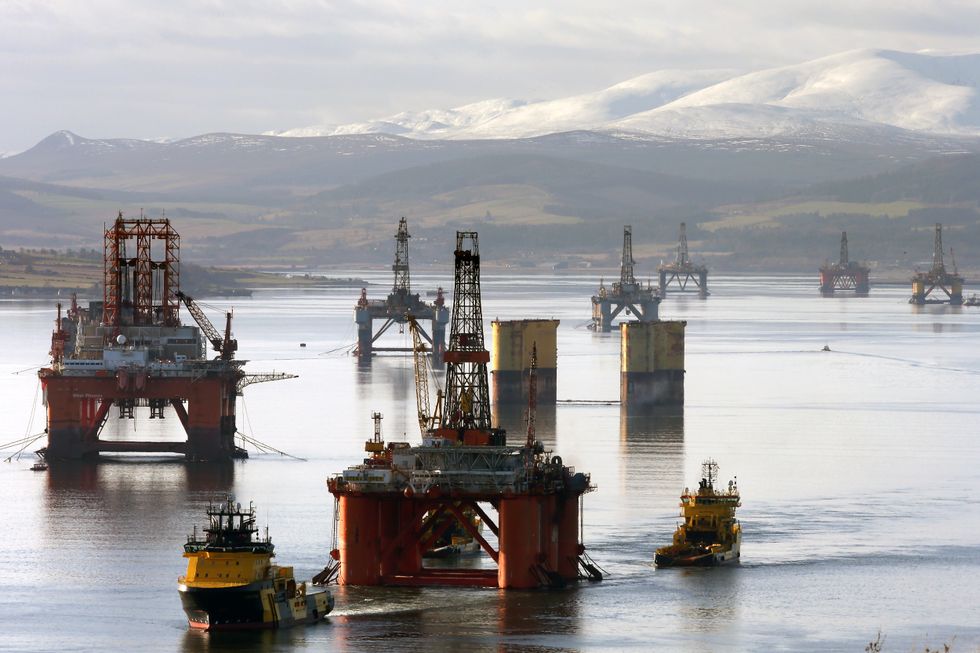
Both Reform and the Tories have pledged to scrap Net Zero
|PA
Mr Turver said: "The UK already has the most expensive industrial electricity in the developed world, and official forecasts show it is going to get significantly worse.
"The idea that building more wind and solar will bring bills down is just wrong. Grid integration costs alone are set to rise by £17 billion by 2030, dwarfing any savings from lower gas prices.
"The opposition proposals to scrap AR7, end the Renewables Obligation and abolish carbon taxes are welcome, but they do not go nearly far enough.
"Even if every one of those pledges were delivered in full, electricity system costs would still be £8.2 billion above today's levels by 2030.
"Drastic action - well beyond anything currently on the table - is the only way to avert a slow-motion catastrophe for British industry and households alike."
A spokesman for the Department for Energy Security and Net Zero (DESNZ) said that the report had used "selective evidence" and not taken into account savings that the investment in renewables would bring.
Looking at "selected cost components in isolation" didn’t reflect the full picture of the electricity system, the department said.
It added that significant investment was required no matter what, to take into account ageing gas power plants and a predicted increase in energy demand.
DESNZ pointed out that, last year, renewables reduced wholesale electricity prices by a quarter, a figure it expects to rise.
Wholesale prices are "a key component of bills" and it predicts these will fall, thanks to renewables.
The spokesman said: "This report is highly misleading, as it has used selective evidence and ignored that renewables will cut wholesale electricity prices.
"We are going further and faster in our clean energy mission because it is the only route to lower bills for good."
A spokesman for the National Energy System Operator (NESO), which plans and operates the gas and electricity network, said that new infrastructure was essential in bringing costs down in the long term.
He said: "We are determined to keep the costs of balancing the electricity system as low as possible.
"Through new tools, reforms and close work with industry, we have already saved consumers at least £1.2billion.
"Balancing costs are not fixed and depend on factors beyond our direct control, including market conditions and the capacity of the electricity network.
"Delivering new transmission infrastructure and future electricity market arrangements will be key to bringing these costs down for consumers over time."