






Rising energy bills and petrol prices, driven by ongoing tensions in the Middle East, are pushing more Britons to consider switching to greener power sources.
Growing numbers are looking for ways to cut costs and reduce their exposure to volatile global energy markets.
One retiree has already made the move.
John Pengelly, 67, from Falmouth in Cornwall, says he has cut his household expenses by more than £1,200 a year after switching to a Zero Bills Home in August 2025.
His property was already fitted with solar panels, batteries and a heat pump, and he upgraded to the Zero Bills tariff.
"I save more than £100 a month on my energy bills now, so that's over £1,200 a year," Mr Pengelly told GB News.
"One thing I wanted to do when I retired was minimise my monthly expenses."
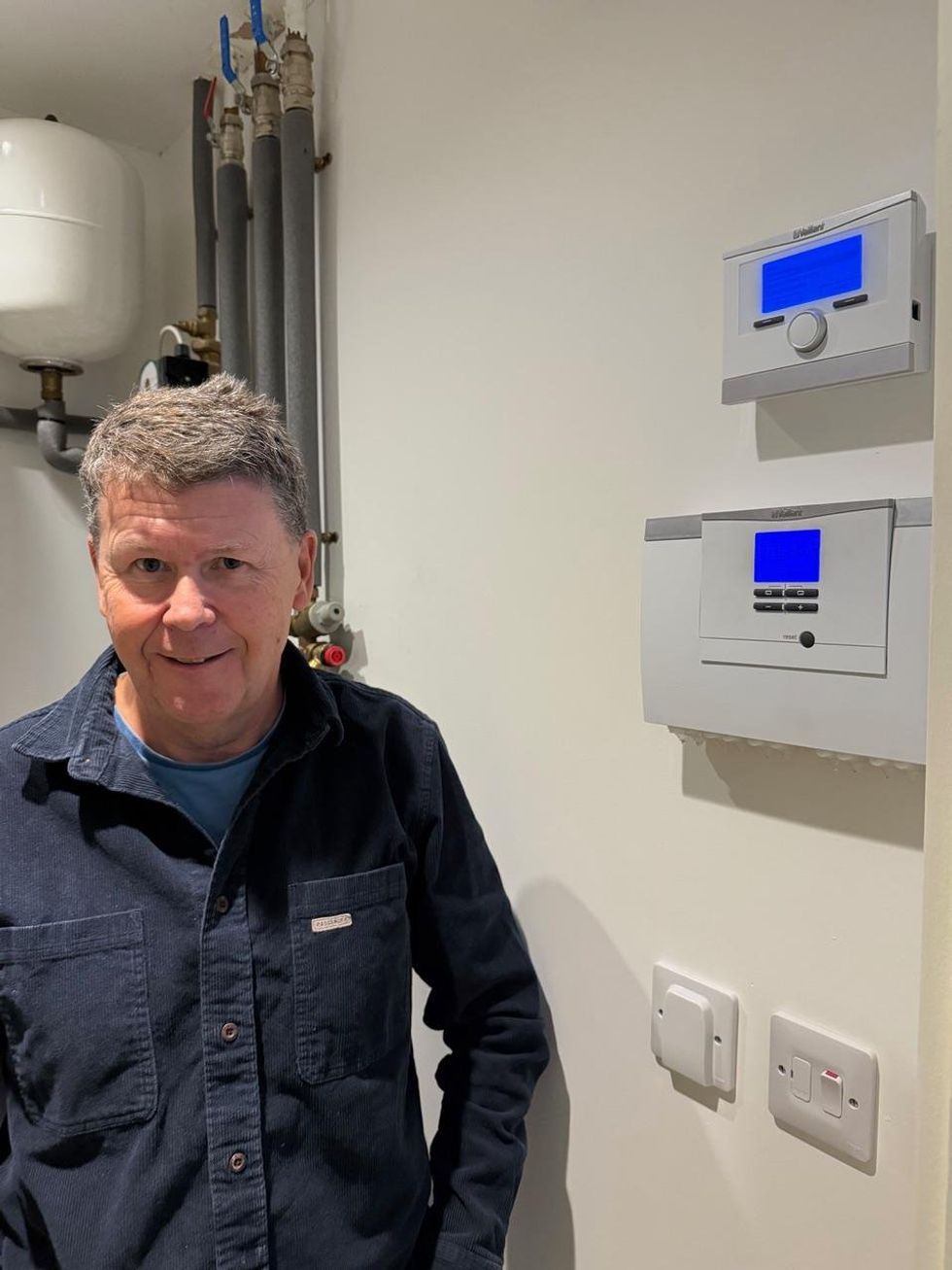
John Pengelly, 67, says he has cut his household expenses by more than £1,200 a year
|OCTOPUS
The pensioner's largest regular expense is now simply his food shopping, having eliminated energy costs entirely from his budget.
More UK households are turning to greener energy as concerns over rising bills grow, driven by ongoing tensions in the Middle East.
Octopus Energy said March was its strongest month on record for solar panel sales, with purchases up 54 per cent compared to last year. Heat pump installations rose by 51 per cent, while electric vehicle charger installations increased by 20 per cent.
The Ofgem price cap is currently limiting average household bills to £1,641 a year between April and June, down from the previous quarter.
However, forecaster Cornwall Insight warns bills could rise to £1,973 a year from July if the conflict continues, driven by higher gas and oil prices linked to disruption in shipping through the Strait of Hormuz.
As a result, more households are turning to alternatives such as Zero Bills Homes, which combine solar panels, a heat pump and a home battery in a well-insulated property to better manage energy use and reduce costs.
When renewable energy generation is high, the system stores cheaper electricity in the battery. When demand is higher, that stored energy can be used in the home or sold back to the grid.
"Basically, you just turn things on. It's so simple you don't have to go and switch from solar power to battery power, the system changes automatically," one resident explained.
Nigel Banks, Octopus Energy's Technical Director of Zero Bills, described the approach as transforming each property into a "mini power station", with panels producing electricity during daylight hours and batteries holding surplus energy for evening use.
Residents pay nothing for their home energy consumption under the scheme, with no standing charges for a minimum of five years, though typically the guarantee extends to a decade.
LATEST DEVELOPMENTS:
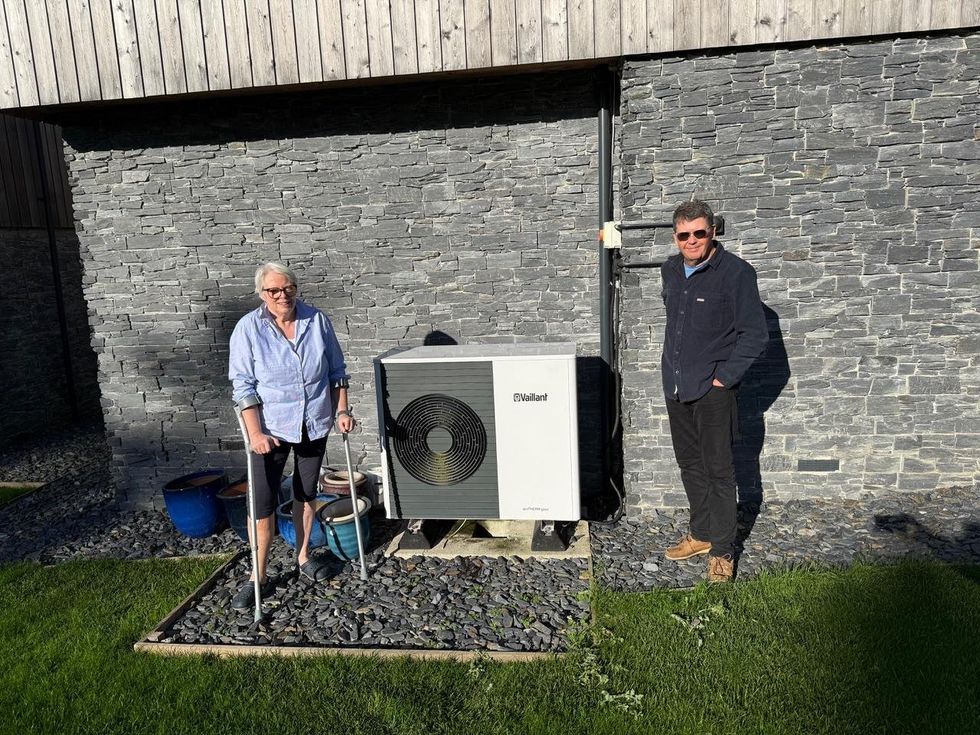
John and his wife have been in a Zero Bills Home since August 2025
|OCTOPUS
Installation costs for solar panels vary considerably depending on requirements. A basic two-panel setup without storage starts at £6,163, while a 12-panel system suitable for a typical three-bedroom property costs around £7,500 including a 5 kilowatt-hour battery.
More advanced options, such as an eight-panel installation with an optimised battery allowing panels to operate independently, can reach £9,691. Octopus reports that 95 per cent of its customers choose to include battery storage.
Mr Pengelly expressed contentment with his situation while acknowledging others' difficulties. "I'm very sorry for people who are struggling with the cost of living crisis. But I'm happy that I don't really have to worry about that stuff at the moment," he said.
The Cornwall pensioner also praised the consistent comfort levels in his home. "I never feel cold at home and the house is basically the same temperature all year round," he added.
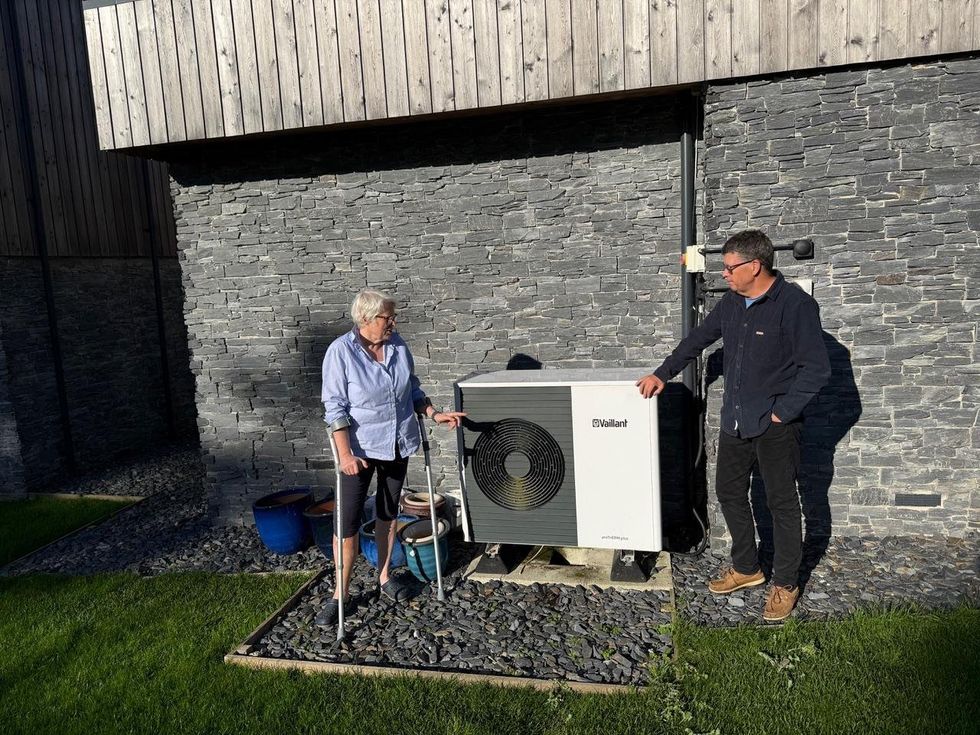
John lived in a house that already had solar panels, batteries and a heat pump, and upgraded to the Zero Bills tariff
|OCTOPUS
Mr Banks emphasised that the decade-long guarantee provides unusual stability when household energy costs are forecast to climb by £332 from July.
He noted that most residents will not need to alter their energy consumption patterns, with additional charges only applying to exceptionally high usage.
Solar panels can help cut energy bills, but they do come with drawbacks. One of the main issues is that they generate less power in winter or when there is little sunlight, meaning households may need to be more careful with their energy use during colder months.
There is also a high upfront cost, with a basic installation starting from around £6,163 for two panels, according to Octopus Energy.
Some users say they have to adjust their habits to make the most of cheaper energy periods, particularly in winter. However, costs could fall over time as demand increases, with greater competition and scale expected to bring prices down.