










Britain’s offshore energy trade body has issued an urgent appeal for ministers to reconsider the ban on new North Sea oil and gas exploration licences, warning the nation risks growing dependence on foreign imports during a period of heightened global instability.
Offshore Energies UK published a report on March 24 arguing that domestic production remains essential to the country’s energy security.
The intervention comes as crude prices have surged more than 30 per cent since the outbreak of the US-Israel conflict with Iran, which has seen Tehran effectively close the Strait of Hormuz to international shipping.
The vital waterway serves as a critical artery for global oil supplies, and its disruption has sent shockwaves through energy markets worldwide.
TRENDING
Stories
Videos
Your Say
According to the OEUK report, oil and gas currently account for approximately three quarters of Britain’s total energy requirements, with projections suggesting these fuels will still satisfy around a fifth of demand by mid-century.
The industry body cautioned that falling domestic output combined with rising consumption has left households increasingly exposed to volatile international markets.
David Whitehouse said: "Recent events have shown how quickly energy markets can tighten and how easily cargoes can be diverted away from the UK when other buyers bid higher.
"We urgently need greater supplies of secure, domestically produced energy including oil and gas, which will remain a critical part of the UK energy system and economy for decades."
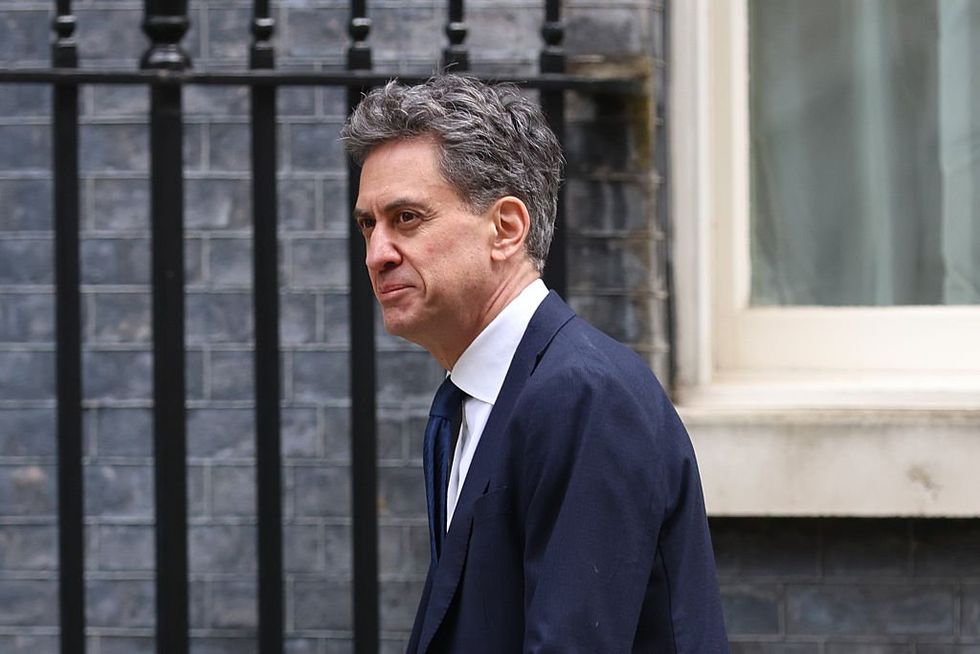
Mr Miliband has banned drilling in the North Sea
|GETTY
The organisation has called upon ministers to revisit their position on offshore exploration permits following last year’s prohibition.
The Conservative Party used its Opposition Day debate in Parliament to demand an end to both the exploration ban and the Energy Profits Levy.
Claire Coutinho said: "Turning our backs on domestic gas that could heat millions of homes would be madness in normal times, but it is sheer lunacy in the midst of a gas supply crisis."
OEUK has proposed abolishing the windfall tax in 2026, four years ahead of schedule, replacing it with a mechanism that would impose a 35 per cent levy only when prices exceed certain thresholds.
LATEST DEVELOPMENTS

Ms Coutinho slammed the "sheer lunacy" of banning exploration
|GETTY
The current windfall tax rate stands at 78 per cent.
OEUK claims such reforms could unlock £50billion in fresh investment across the UK’s offshore sector.
The Conservatives are also pressing ministers to approve the Rosebank and Jackdaw fields in Scottish waters, which were blocked by the courts last year following legal challenges from environmental groups.
Labour has rejected calls to reverse course, with a spokesperson stating that issuing exploration permits "cannot give us energy security and will not take a penny off bills".
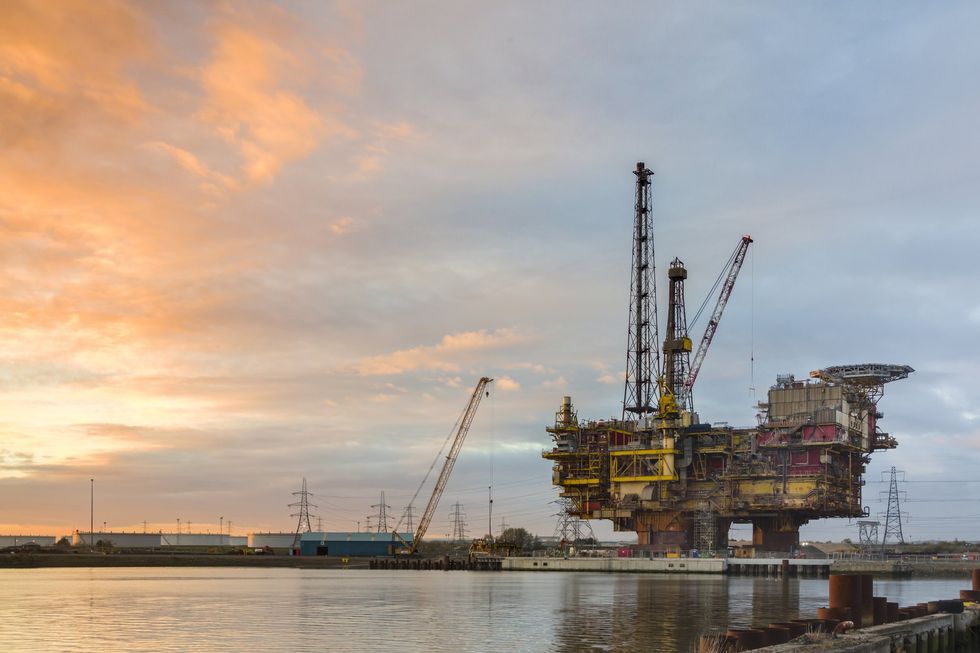
North Sea windfall tax stands at 78 per cent
|GETTY
Ministers argue that oil and gas prices are determined by international markets regardless of where supplies originate, leaving British consumers as price takers.
Ed Miliband has maintained that the crisis demonstrates the need for domestically controlled clean power rather than continued fossil fuel extraction.
Researchers at the University of Oxford have challenged industry assertions, finding that maximising North Sea production would deliver smaller savings than accelerating the transition to renewable energy.
Mel Evans said: "profiteer more than ever" during the current oil conflict, arguing that additional drilling would benefit shareholders rather than households.