










Millions of households across England, Scotland, and Wales are now paying less towards their energy bills as Ofgem's reduction to the price cap takes effect.
The energy regulator has lowered the cap by approximately seven per cent, bringing typical annual costs down from £1,758 to £1,641 for dual-fuel customers who pay by direct debit.
The adjustment translates to savings of roughly £117 per year, or about £10 monthly, for an average household with around 29 million homes in Great Britain that fall under the new cap.
Under Ofgem's energy price cap, households do not pay anything past the threshold as long as they keep to average usage levels of gas and electricity.
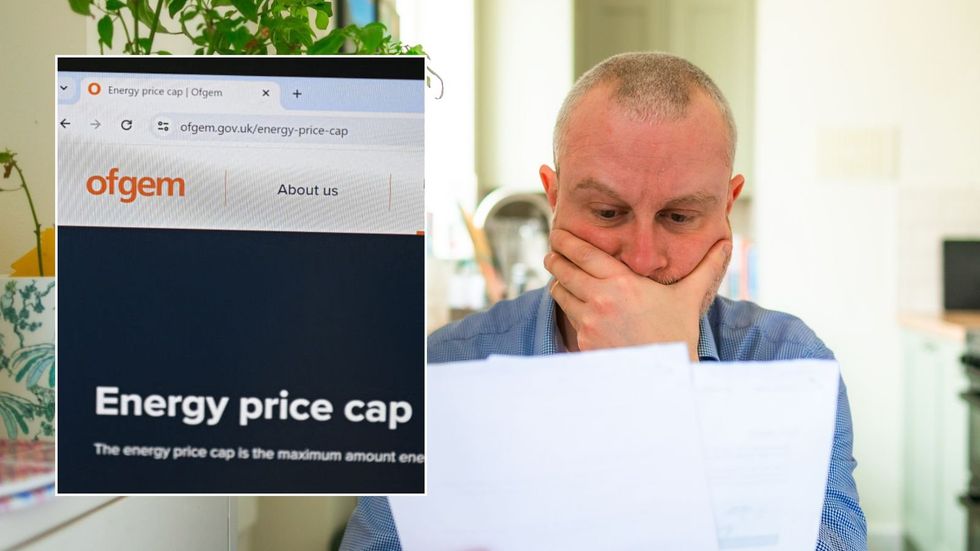
What does the energy price cap mean for you?
|GETTY
Energy specialists have welcomed the news for consumers who continue to face elevated living costs after years of high prices. The reduction follows shifts in wholesale energy markets and changes to policy costs.
Gordon Wallis, an energy expert at Your NRG, said the reduction should provide some relief for households this spring: "Many households have been dealing with high energy costs for a long time, so any drop in bills will be welcome.
"Although the reduction may seem modest month to month, it can still make a meaningful difference for households managing tight budgets."
However, he cautioned that individual savings will differ depending on consumption levels, as the £117 figure reflects typical usage patterns. The cap restricts what suppliers may charge per unit of gas and electricity, along with standing charges, rather than capping total bills.
 Ofgem has declared the UK's level of energy debt as being 'unsustainable' | GETTY
 LATEST DEVELOPMENTS
Energy bills will change this month
| GETTYMr Wallis explained: "The price cap limits how much suppliers can charge for each unit of energy, but your overall bill still depends on how much energy you use."
Despite the welcome reduction, National Energy Action (NEA) has urged households to be cautious about celebrating too soon.
Adam Scorer, the charity's chief executive, described the price drop as a potential "false dawn" that could be "overtaken by events".
He shared: "Any price drop is good news, but everyone knows that it will be overtaken by events. And the people who know that the best are those already struggling to afford their energy bills and know the real cost of an energy crisis."
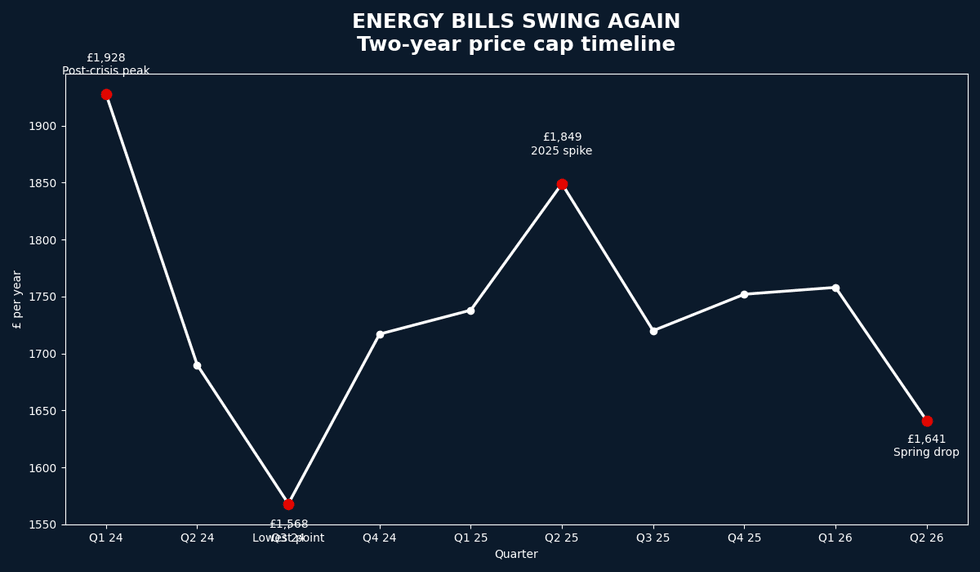
How has the price cap changed in recent years?
|GB NEWS
Mr Scorer highlighted that vulnerable households are already burdened with an estimated £5.5billion in domestic energy debt, a figure he expects to worsen in coming months.
A quarter of NEA's clients face overwhelming debt levels alongside their struggle to afford adequate heating. The price cap change follows the publication of fuel poverty statistics for England last Thursday, though the data carries an 18-month lag.
While the figures indicate 100,000 households escaped fuel poverty in 2024, conditions are deteriorating for those using prepayment meters, paying by cheque or cash, or living off the gas network.
The energy expert noted that millions remain unable to keep their homes warm and healthy, with progress slowing considerably. He called for Treasury-funded support beyond the forthcoming Debt Relief Scheme to address the debt burden weighing on fuel poor households.