










Labour ministers are considering emergency measures to support households with rising energy bills as the Middle East conflict drives up global oil prices.
Officials are assessing proposals to deliver financial assistance through local authorities in England, with household energy costs projected to approach £2,000 annually from July.
One option under review involves increasing the crisis and resilience fund, a £1billion annual scheme administered by councils which launches on Wednesday.
The fund is designed to provide preventative support to communities while assisting those facing financial hardship.
TRENDING
Stories
Videos
Your Say
Sources indicate it could be expanded to offer additional help to households identified by councils as most vulnerable to rising energy costs.
Chancellor Rachel Reeves is reviewing potential support measures as the situation develops.
Ms Reeves has ruled out reintroducing the universal energy support scheme implemented under Liz Truss in 2022, when higher-income households also received significant financial assistance.
Government figures at the time showed the wealthiest tenth of households received around £1,350 in support.
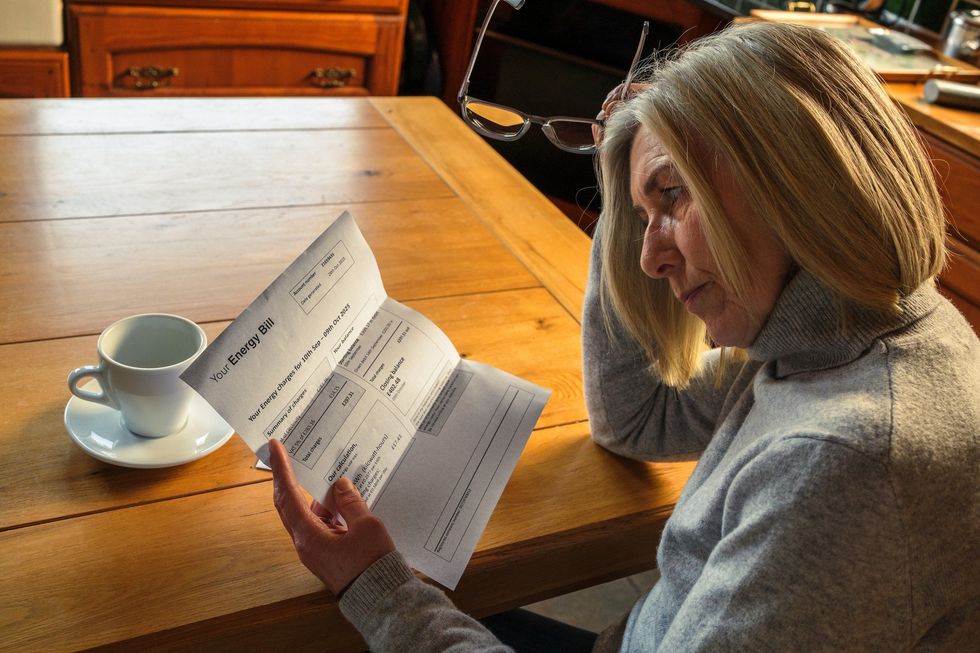
Ministers weigh emergency energy support '£150 off bills but more help targeted'
|GETTY
Fiscal constraints are expected to shape any response, with ministers under pressure to limit additional spending.
Torsten Bell, who holds roles across both the Treasury and the Department for Work and Pensions, is leading the Government’s response.
Mr Bell is understood to be concerned that restricting support solely to benefit recipients could exclude lower-income working households.
Expanding the crisis and resilience fund could allow those not eligible for benefits to apply for targeted grants.
LATEST DEVELOPMENTS
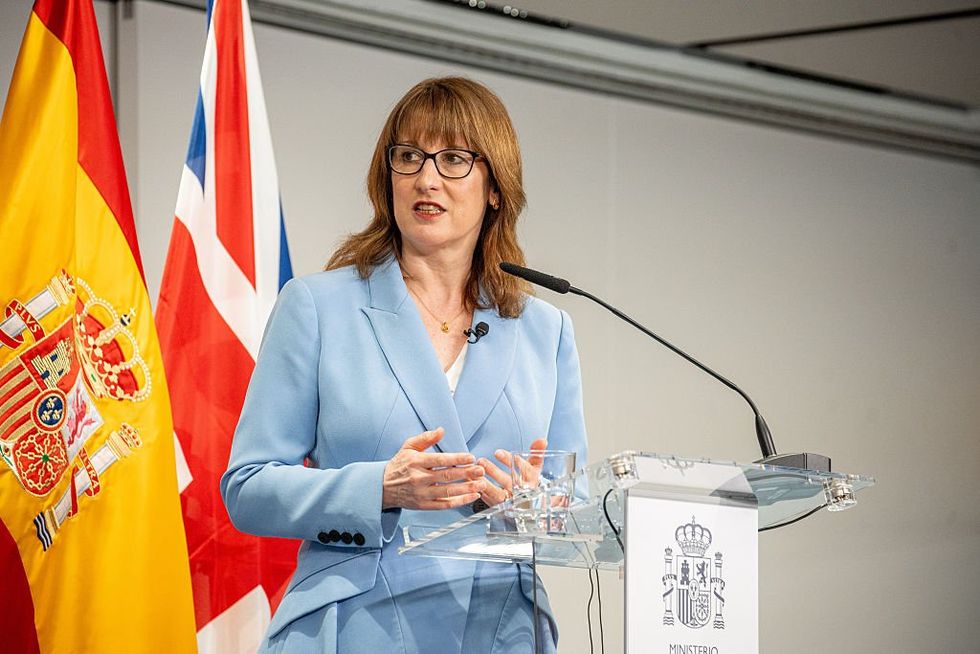
Sustained high yields would reduce the Chancellor’s fiscal flexibility by increasing the cost of servicing national debt
|GETTY
Ms Reeves told Parliament: "The progressive, universal approach that we are taking is the right one – £150 off everyone's energy bills, but then targeted support for those who need it most."
Rising energy costs are being driven by volatility in global oil markets.
The Brent crude price rose 3.5 per cent on Monday to exceed $116 per barrel.
The benchmark is on track for a monthly increase of almost 60 per cent, surpassing gains recorded during the Gulf War.
Government borrowing costs have also increased amid market expectations of higher public spending linked to the conflict.
Yields on 10-year UK government bonds reached their highest level since the 2008 financial crisis, rising above five per cent on Friday before easing slightly to 4.95 per cent on Monday.
Other European countries have already introduced measures to mitigate the impact of rising energy prices.
Madrid has reduced VAT on fuel, while Berlin has limited petrol stations to a single daily price increase.
In France, Prime Minister Sébastien Lecornu has announced plans to expand support for households.
An additional 700,000 families are expected to receive payments averaging €153, bringing total recipients to around 3.8 million at a cost of €600million.
The impact of rising living costs is already being felt across the UK.
Research from Which? indicates that around half of UK households, equivalent to 14 million families, are making daily financial adjustments such as using savings, selling possessions or borrowing money to cover essential expenses.