









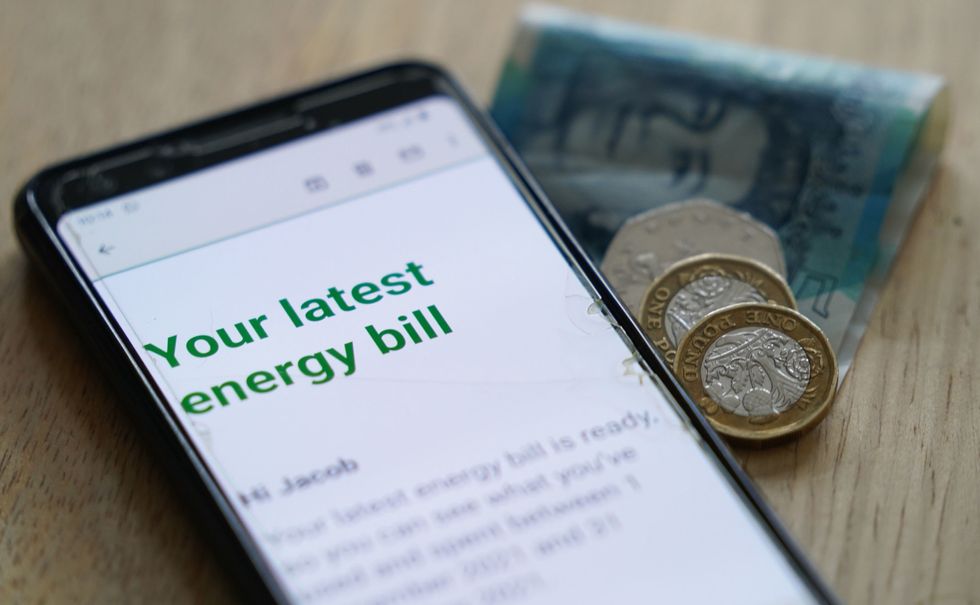
Millions of households could be sitting on hundreds of pounds in unused energy credit, with some able to claim back as much as £500 from their supplier.
New research suggests bill-payers are overpaying through direct debits, leaving billions of pounds quietly building up in energy accounts.
British energy companies are sitting on approximately £3billion belonging to their customers, according to new research.
Around 16 million households across the country, representing 57 per cent of bill-payers, have finished the coldest season with money still sitting in their accounts. The extra cash has built up from direct debit payments that weren’t fully used over winter.
Customers with money left in their account have usually built up around £200 with their supplier.
This is £179million higher than last year, with Uswitch saying it is down to warmer weather and direct debit payments not falling in line with lower energy prices.
Customers are expected to use up most of their credit during winter, then build it back up in spring and summer when energy use is lower.
The research shows people on fixed deals are more likely to have money left over, with 63 per cent in credit compared to 56 per cent on standard variable tariffs.
A notable number have built up larger amounts, with one in eight bill-payers having more than £300 in their account.
Around four per cent of households have more than £500 saved with their supplier.

One in eight bill-payers have more than £300 in their account
| GETTYUswitch said the build-up of credit shows a gap between what people pay each month and what they actually use.
When it comes to getting the money back, households are split. Nearly a third plan to ask for some or all of their credit to be returned.
However, most, around 63 per cent, will leave the money in their account to help lower future bills.
Only seven per cent plan to take all of it back, while about a quarter will request a partial refund.
LATEST DEVELOPMENTS:
Uswitch recommends maintaining approximately two months' worth of typical payments
| PAUswitch recommends maintaining approximately two months' worth of typical payments as a buffer against elevated winter costs.
The comparison site also advises customers lacking functional smart meters to submit regular readings, ensuring their account balances and direct debit levels remain accurate and preventing unnecessary overpayments throughout the year.
Household energy bills dropped by seven per cent from the start of April, with Ofgem's price cap falling from £1,758 to £1,641, saving typical dual-fuel customers around £10 monthly.
Yet this relief appears temporary, with forecasters at Cornwall Insight predicting an 18 per cent increase from July, potentially adding £288 annually to bills amid ongoing Middle East tensions.
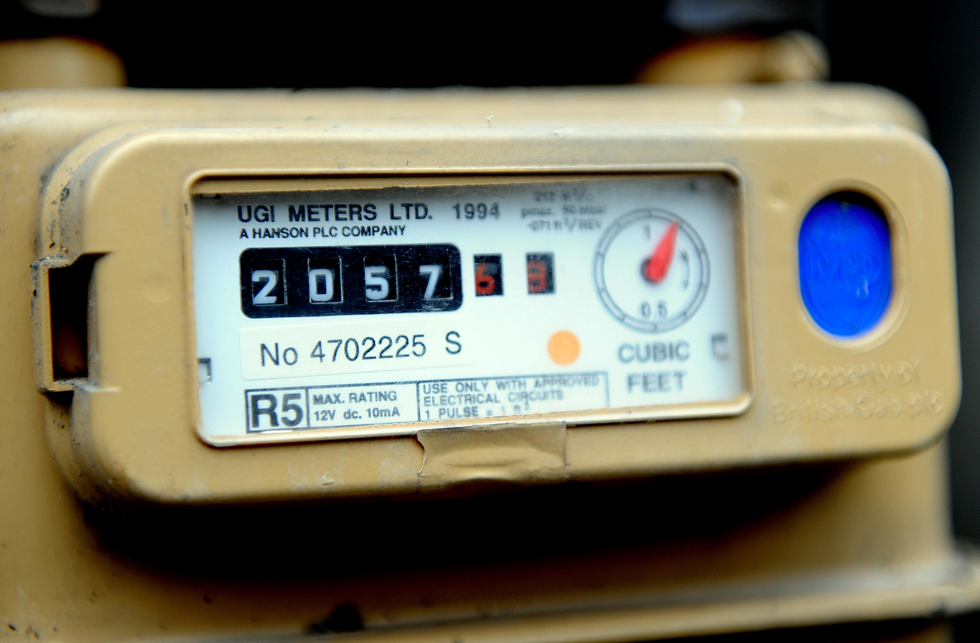
Current prices remain some £600 higher than during the 2020-21 winter period
| PACurrent prices remain some £600 higher than during the 2020-21 winter period.
Ben Gallizzi, energy expert at Uswitch, said: "More than half of UK households are coming out of the coldest time of year with credit in their energy accounts.
"At this time of year households should generally have used up most of their credit over the colder winter months. However, it is advisable to keep about two months’ worth of payments in energy credit to cover higher winter bills ahead.
"With energy prices predicted to rise in July, households with more than two months of energy credit could consider leaving some of it with their supplier to take some of the sting out of winter bills later this year."