









Ed Miliband has been warned that his Net-Zero plans could push families to use more energy rather than less.
Home efficiency improvements like insulation, new windows and heat pumps may encourage people to turn up their heating, a study commissioned in February 2024 found.
This would cut into the expected savings on both bills and carbon emissions.
The findings raise fresh concerns over the Energy Secretary's £15billion Warm Homes Plan, which aims to pay for eco-friendly home upgrades in around five million properties, including grants for lower-income households.
When launching the scheme earlier this year, Mr Miliband described it as the "biggest public investment in home upgrades in British history".
However, the study pointed to a problem known as "comfort taking", where households use more heating after energy-efficiency improvements are made.
Because upgraded homes are cheaper to heat, many families choose to keep them warmer for longer. Researchers found this was especially common among lower-income households.
The report said: "This leads to a situation in which energy savings are lower than expected."
Experts from London Economics and University of Cambridge reviewed 28 studies for the Department for Energy Security and Net Zero.
Their 29-page assessment warned the so-called rebound effect could cut expected energy savings by between 10 and 30 per cent, while some studies suggested losses could reach as high as 40 per cent.
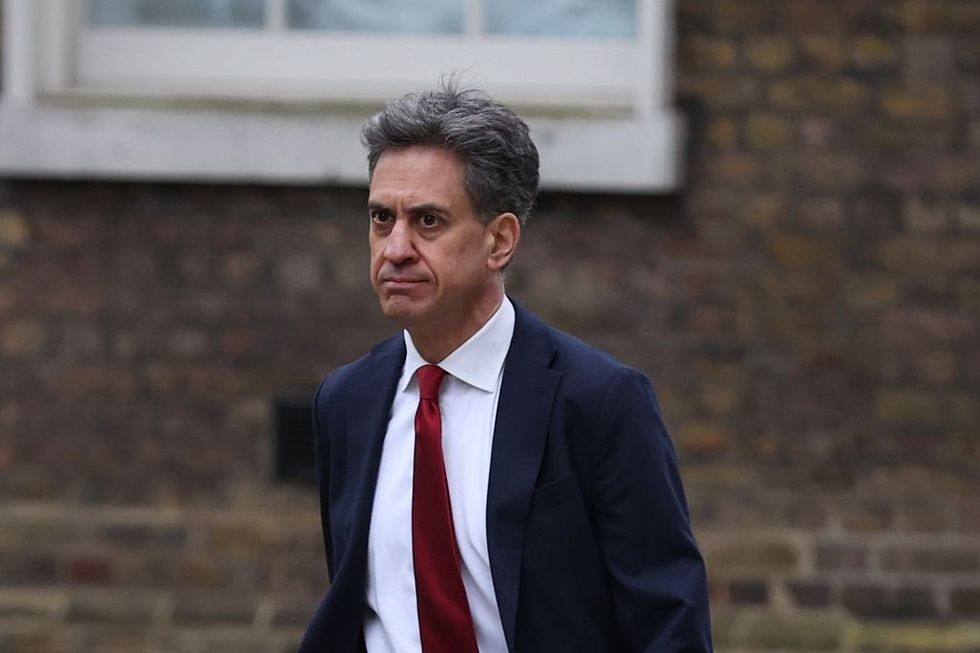 Ed Miliband continues to push for Britain's Net Zero 2050 target | GETTY
The mechanism behind this rebound effect is straightforward. Once homes become more efficient, heating costs drop – prompting occupants to warm more of their property.
One UK study cited in the report found striking changes in behaviour. Before upgrades, roughly 20 per cent of households heated every room in their home all the time. After improvements were made, that figure jumped to nearly two-thirds.
Residents also tended to set their thermostats higher and keep heating on for guests.
The report noted additional "indirect rebound effects" too. Some households spent their bill savings on other energy uses, such as leaving lights on longer, "leading to an overall increase in energy demand."
 The Government wants 600,000 heat pumps a year to be installed by 2028 | PA
The report was shared with ministers in 2024 but only made public in March this year. This came just weeks after Mr Miliband announced billions in loans and grants for insulation and heat pumps.
Critics have accused the Energy Secretary of sitting on evidence that his green schemes could backfire while taxpayers fund a multi-billion-pound programme.
Despite the study's clear warnings, Mr Miliband's official Warm Homes Plan makes no reference to the findings. A source indicated that comfort taking had been factored into some energy and cost savings estimates.
The report concluded that the rebound effect should be "actively considered by policymakers in the development of energy efficiency improvement policies."

Richard Tice, Reform UK's deputy leader and energy spokesman, accused Mr Miliband of suppressing the evidence
| GB NEWSRichard Tice, Reform UK's deputy leader and energy spokesman, accused Mr Miliband of suppressing the evidence.
"Ed Miliband has quietly sat on evidence showing one of his flagship green schemes could backfire, driving up energy use while taxpayers foot a multi-billion-pound bill," he said.
Mr Tice called the initiative "net stupid zero box-ticking" that risked higher costs and emissions, adding: "Reform UK will scrap this failing agenda and put Britain's energy security and lower bills first – not Mad Miliband's ideological obsessions."
A Department for Energy Security and Net Zero spokesman said: “This is simply untrue.
“Our £15 billion Warm Homes Plan will reduce energy use, lower bills for millions of households and help lift up to a million households out of fuel poverty by 2030 as they benefit from solar panels, batteries, heat pumps and insulation.
“We are driving further and faster for clean homegrown power that we control to protect the British people - accelerating home upgrades that will cut bills and shield families from fossil fuel shocks.”