




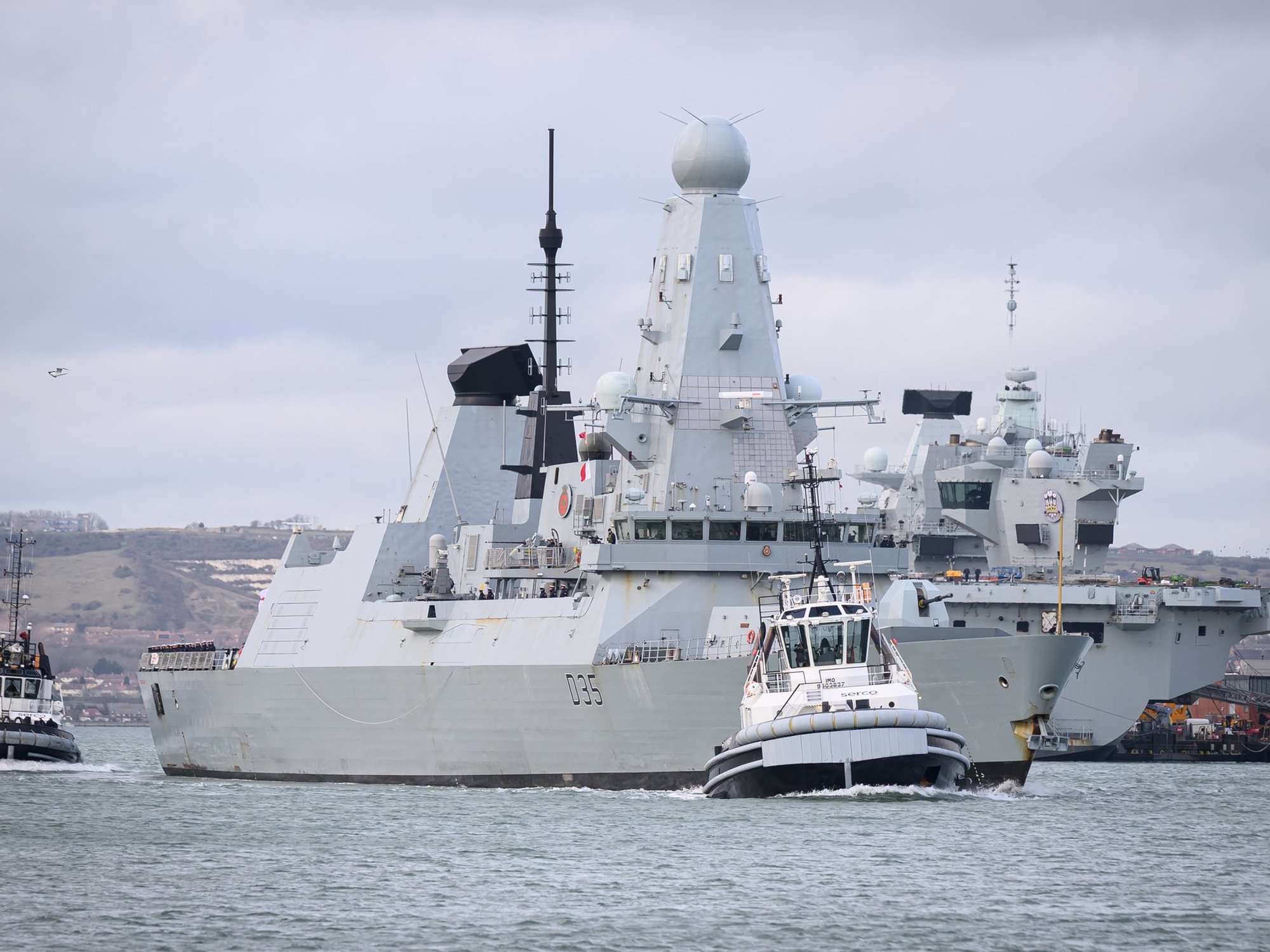





Around 40 per cent of Russia's oil export capacity has been put to a halt after drone strikes from Ukraine targeting President Vladimir Putin's regime, new research has found.
According to Reuters calculations based on market data, approximately two million barrels per day have been taken out of circulation following a combination of Ukrainian drone strikes, pipeline damage, and vessel seizures across Europe.
This research comes amid the US-Iran war, which has seen crude oil prices surge past $100 since President Donald Trump and Israel's decision to strike the Islamic Republic.
Following the assassination of Ayatollah Ali Khamenei and his son Mojtaba Khamenei becoming Iran's new Supreme Leader, the Islamist regime has closed the Strait of Hormuz, which is the shipping route for 20 per cent of the world's oil imports.
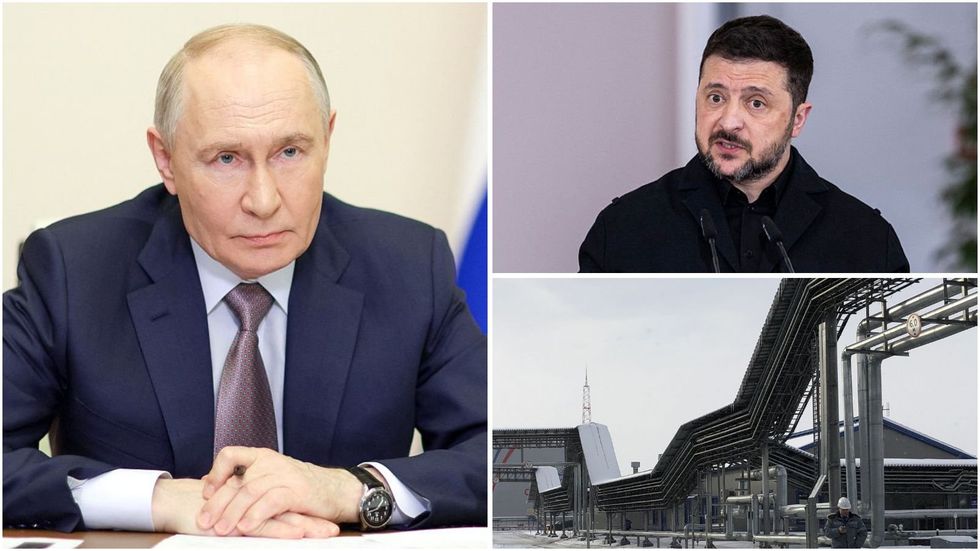
Fuel prices are expected to rise as Russia loses 40 per cent of oil export capacity in Ukraine strikes
|GETTY / REUTERS
Global crude prices have surged past $100 per barrel amid the ongoing conflict involving Iran, meaning Russia is losing out on revenues at precisely the moment when oil is commanding premium prices on international markets.
Kyiv has dramatically escalated its campaign against Russian energy infrastructure this month, striking all three of Moscow's principal western export terminals.
The Black Sea port of Novorossiysk, capable of handling up to 700,000 barrels daily, has been operating below capacity since sustaining heavy damage from drone attacks earlier in March.
Furthermore, the Baltic Sea facilities at Primorsk and Ust-Luga have also been hit by Ukrainian fire.
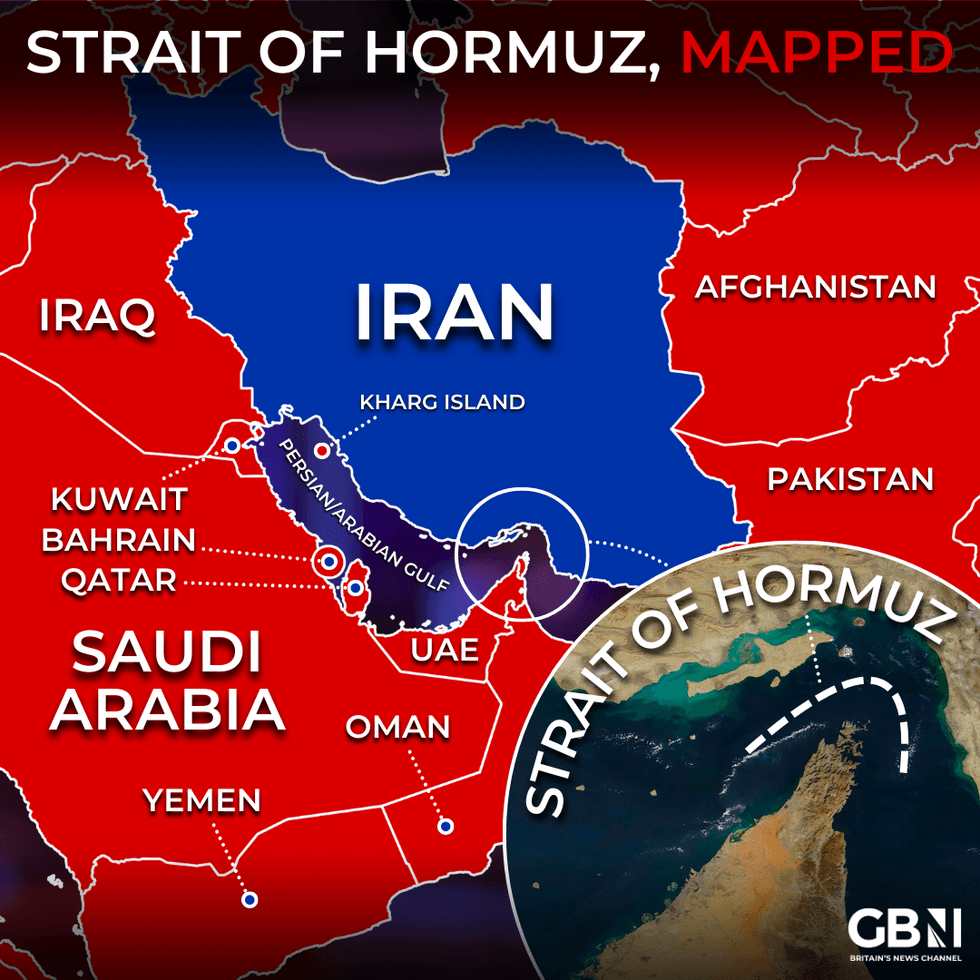 MAPPED: Where is the Strait of Hormuz? | GB NEWS
LATEST DEVELOPMENTS
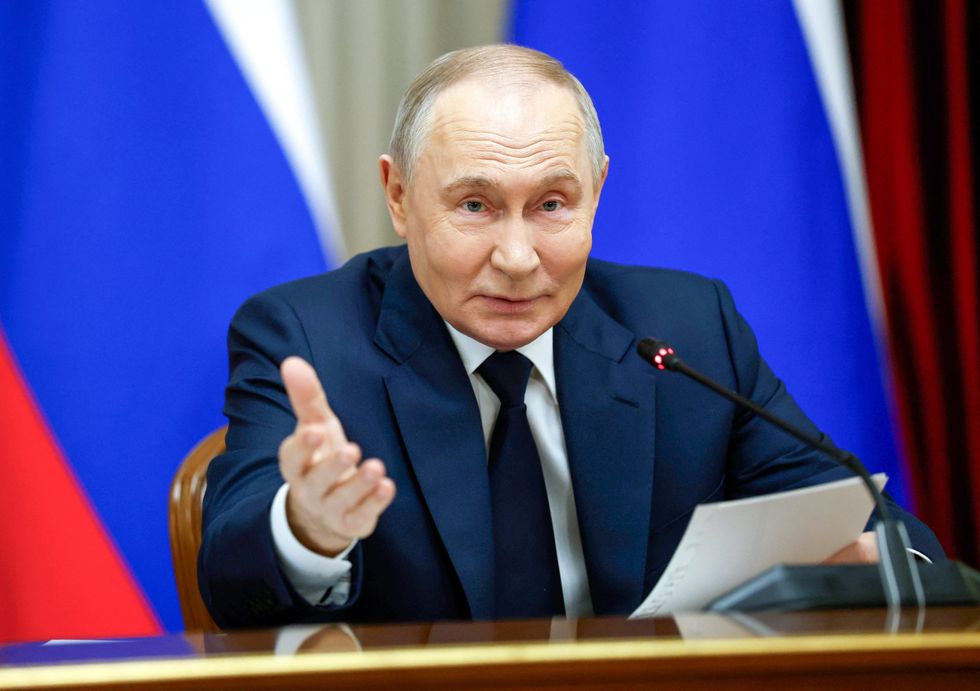
Vladimir Putin has been dealt a blow
| REUTERSBeyond the port attacks, the Druzhba pipeline supplying Hungary and Slovakia through Ukrainian territory has been damaged, with Kyiv attributing the destruction to Russian strikes in late January. Both recipient nations have demanded immediate restoration of supplies.
European authorities have further compounded Moscow's difficulties by seizing tankers linked to Russian oil, disrupting some 300,000 barrels daily of Arctic crude flowing from Murmansk.
Ukraine's stated objective is to undermine the oil and gas revenues that constitute around a quarter of Russia's state budget, thereby weakening Moscow's capacity to wage war.
Oil production remains fundamental to the country's $2.6trillion (£1.95trillion) economy and serves as a primary source of Government income.
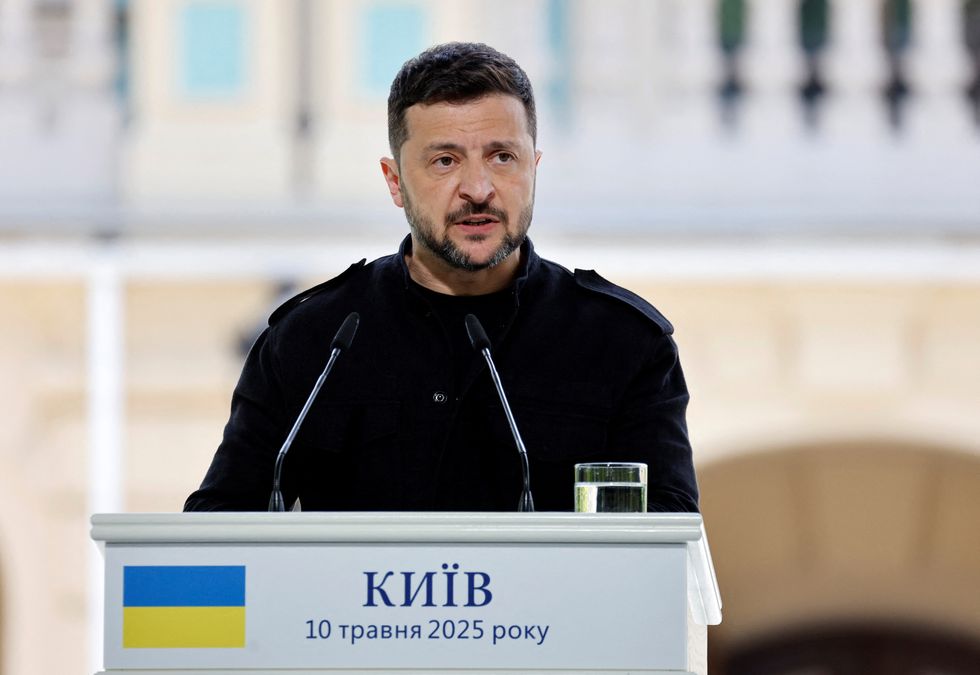 Volodymyr Zelensky issued a defiant statement about the importance of Ukraine's sovereignty | REUTERS
The Kremlin has characterised the Ukrainian strikes as terrorist attacks and responded by strengthening security measures across all eleven of Russia's time zones.
With western export routes increasingly compromised, Moscow finds itself forced to pivot towards Asian markets, though traders note that eastward capacity remains constrained.
Pipeline deliveries to China continue without interruption via the Skovorodino-Mohe and Atasu-Alashankou routes, while ESPO Blend crude ships from the Pacific port of Kozmino.
These three channels together move approximately 1.9 million barrels daily. Additional volumes flow from the Sakhalin projects in Russia's far east, where around 250,000 barrels per day are loaded for export.